Quince Apple Tart

Quinces, mes amis, are blowing my mind. The quinces we are familiar with are usually bitter until cooked, but in central Asia, Greece and the Middle East, quinces can be sweet right off of the tree. Quinces and apples were so intertwined in the ancient era, that some believe many of the stories including that of the Garden of Eden referred to quinces rather than apples. They resemble a cross between an apple and a pear and were popular in Mesopotamia before apples. We get a name check from Pliny the Elder again, just as with pistachios. Quince jam is the origin of the word “marmalade” as the spanish name for quinces is marmelo.

This fascinating (truly) essay on quinces has this tidbit (among many amazing tidbits!):

This paste was also called cotoniak or paste of Genoa, with quiddony or quiddoniak referring to a translucent jelly which was similar. In France it was called cotignac, with the best being Cotignac d’Orleans. This was boiled with sugar to form a clear jelly which was an attractive ruby colour. It was then poured into small round wooden boxes to set. These were often presented to visiting royalty when they passed through outlying towns and villages. In 1429 Joan of Arc was presented with a gift of cotignac when she arrived at Orleans to liberate it from the English. Ever since, cotignac has been made in moulds of her likeness.

And, check some out: http://cotignac-orleans.fr/tag/cotignac/

Here, I’ve adapted an apple quince tarte tatin from David Lebovitz’s Ready for Dessert.

Quince Apple Tart 

8 apples

3 quinces

3 tbs butter

3/4 cup sugar

Dough

1 cup flour

2 tsp sugar

1/4 tsp salt

4 tbs butter

3 tbs ice water

First, make the dough. In a food processor, pulse the flour, sugar and salt. Then, cut the butter into small cubes and pulse until the butter is pea-sized. Add the ice water and pulse until the mixture is just combined. Dump out the dough and wrap it in plastic and refrigerate it in a disk for 20 minutes. When you’re ready with the fruit, roll it out.

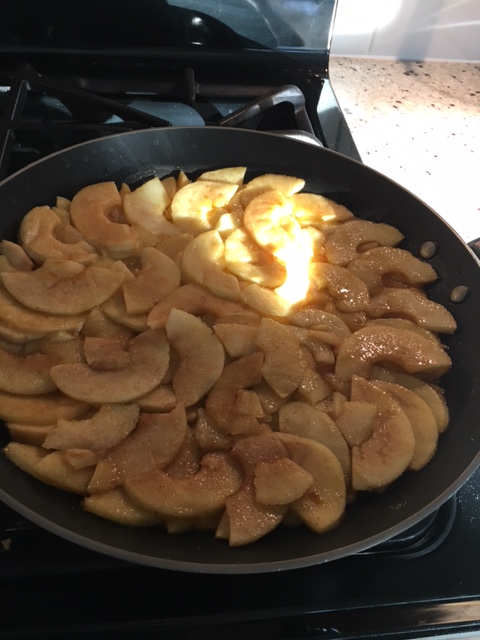
For the fruit, peel, core and slice all the apples and quinces. David Lebovitz uses a cast iron pan for this, but I don’t have one and instead used a regular pan and transferred the cooked fruit to a baking pan when they were ready. Melt the butter and sugar in the pan and then arrange the slices of apples and quinces evenly throughout the pan. Cook on medium until the juices thicken and caramelize – about 25 minutes. When completed, roll out the dough and (if you’ve used a cast iron skillet), place the dough on top of the fruit and put in a 375 degree oven. I removed the fruit from my pan and put it in bakeware and placed the dough on top of that. Bake until the crust is golden brown, around 40 minutes. David inverts the tarte tatin once completed, but I left it as is in the bakeware.
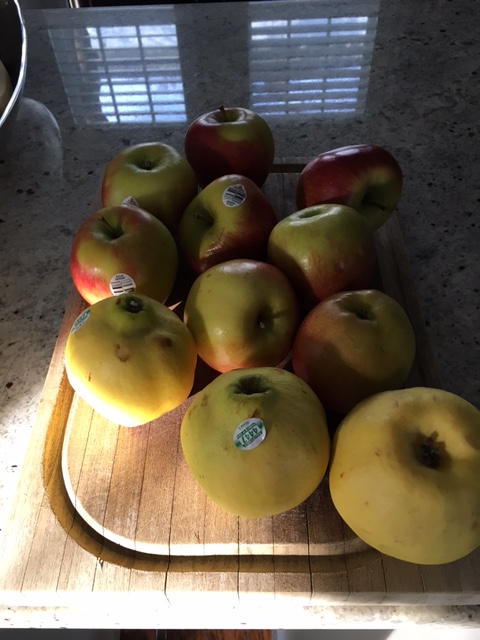
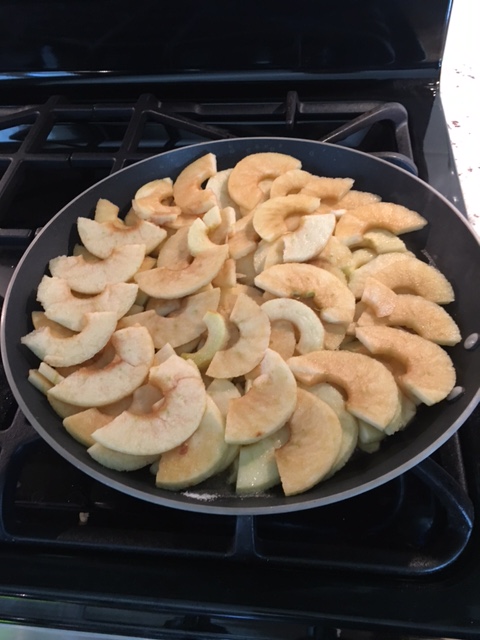
 

img_1522img_1523img_1524img_1527

Pistachio Orange Ice Cream

We are skipping over Pheasant Day to arrive at Pistachio Day of Brumaire. Pistachios have been with us for a looong time. Pliny the Elder himself namechecks them in Natural History. They are drupes, like almonds, cashews or walnuts and have a fleshy coating on the outside of the seed shell when unripe. Supposedly, you can actually hear the pistachio seed splitting while on the tree, but a cursory search of the internet did not provide any audio.
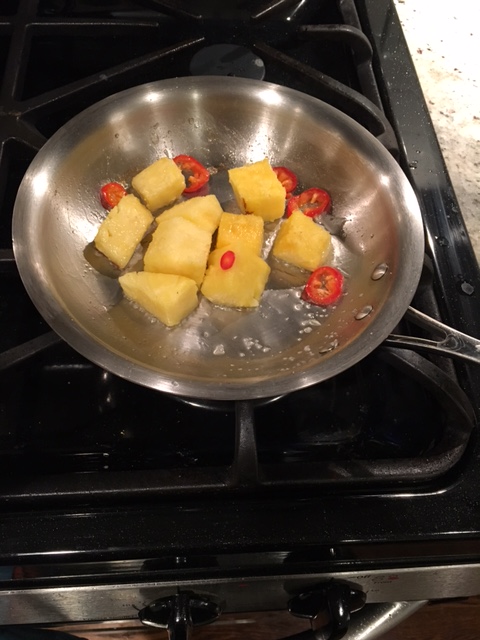
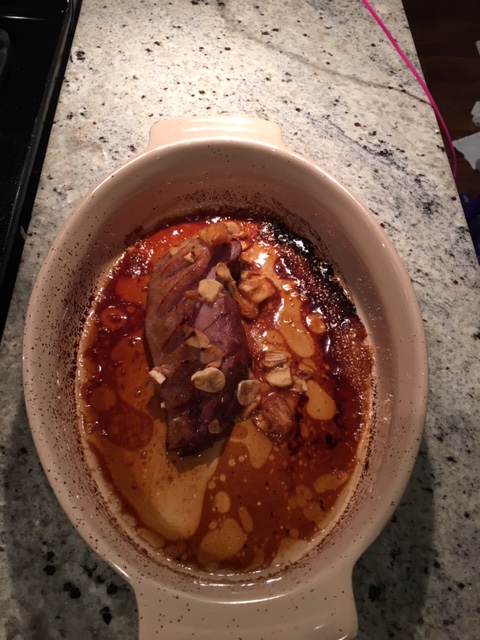
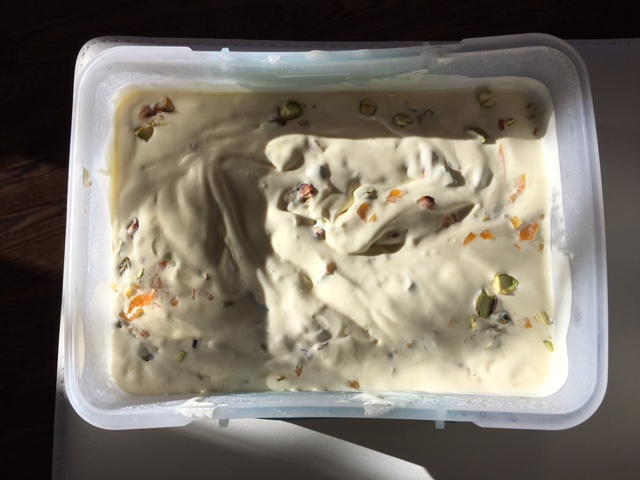
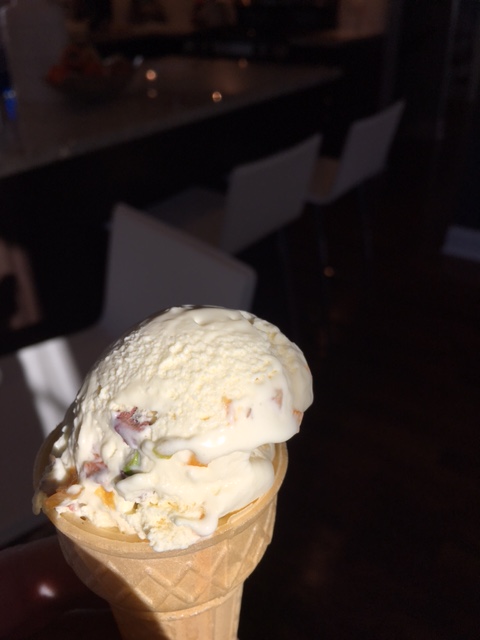
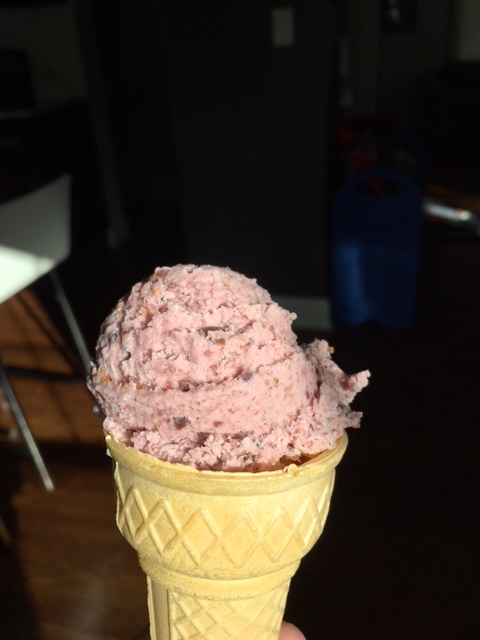
Today’s recipe is part two from Orange Day. I am using the candied orange and some pistachios to make a delightful ice cream from David Lebovitz’s Perfect Scoop.

Pistachio Orange Ice Cream 

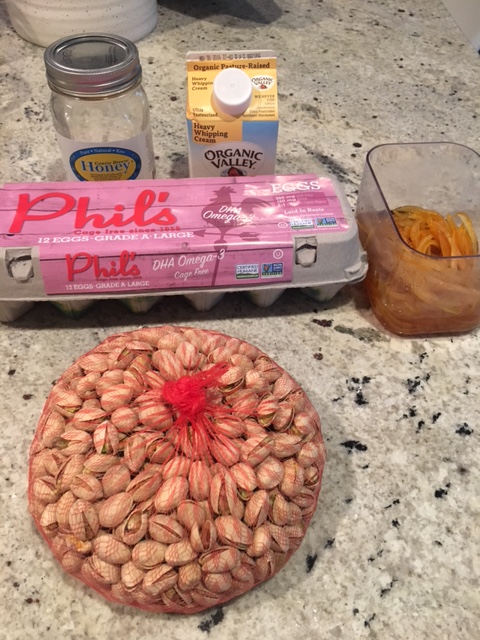
1 1/2 cups half-and-half

1/2 cup sugar

1/4 cup honey

pinch of salt

1 orange, zested

1 1/2 cups heavy cream

5 egg yolks

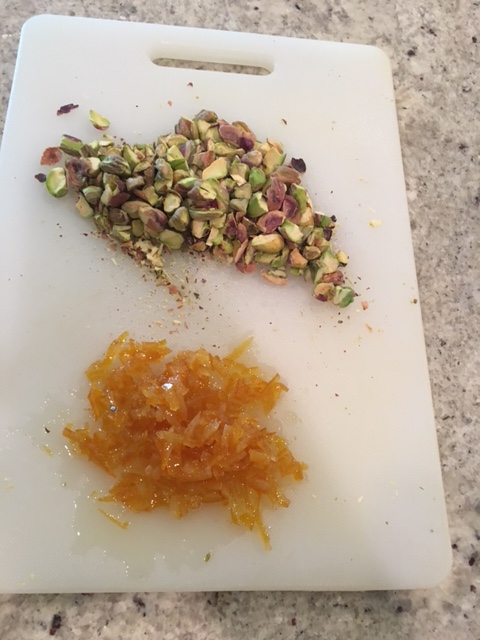
2 tbs of candied orange peel (and some of the syrup made along with the candied peel)

1/2 cup pistachios, chopped

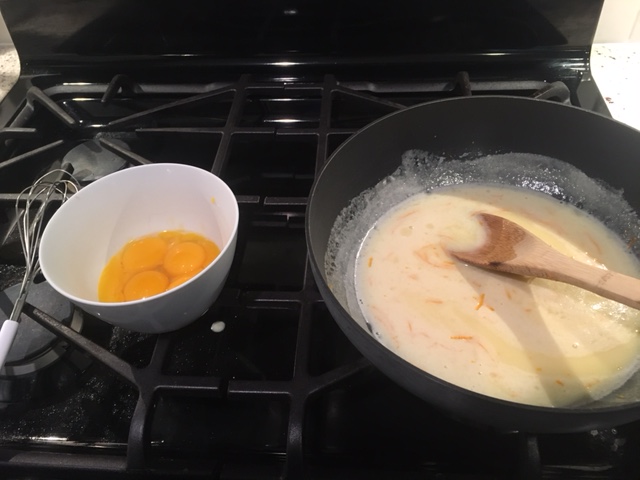
Put the half-and-half, sugar, honey, salt and orange zest in a medium pan and bring to a simmer. In two bowls, separate the eggs. Add some of the warm honey mixture to the eggs and whisk. Keep adding the liquid to the eggs until well blended then place it all back in the pan. In a clean bowl, add the heavy cream and put a strainer on top of the bowl. Bring the pan to a medium simmer and stir frequently until the mixture has slightly thickened. Pour into the bowl through the strainer. Add two teaspoons of the syrup from the candied oranges. Place the mixture in the fridge until completely chilled (I usually wait until the next day). Once chilled, put the ice cream base in an ice cream maker if you have one. When it is finished in the ice cream maker and you are scooping it into your container to freeze, spread the chopped pistachio and chopped orange peel throughout and freeze.

img_1537img_1538img_1539img_1540img_1541

Candied Orange Peel

So, with the results of 18 Brumaire, I wasn’t sure if I wanted to continue with this silly project. After some time away, I’ve decided that I enjoy this endeavor and it provides me a small respite from the news of the day.

We’ve skipped over a few days to reach orange – turkey, skirret, watercress, leadworts, pomegranate, harrow, baccharis, azarole and madder. If a different candidate had won, I would have probably tried my hand at turkey, watercress and pomegranate. I was halfway through a pomegranate love cake from Meera Sodha that looked promising. Perhaps I will attempt the rest next year.

Today, 24 Brumaire, is for celebrating the orange. My recipe today comes from David Lebovitz’s The Perfect Scoop and is a two-parter. The candied orange peel will be an ingredient in an upcoming day’s ice cream recipe.

Candied Orange Peel 

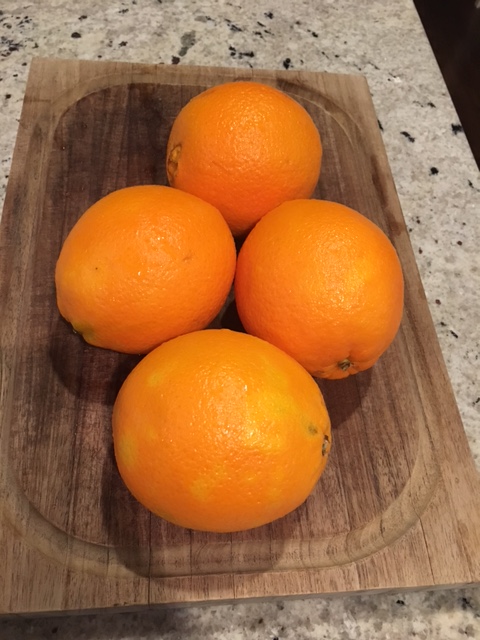
4 oranges

2 cups water

1 cup sugar

1 tbs corn syrup

pinch of salt

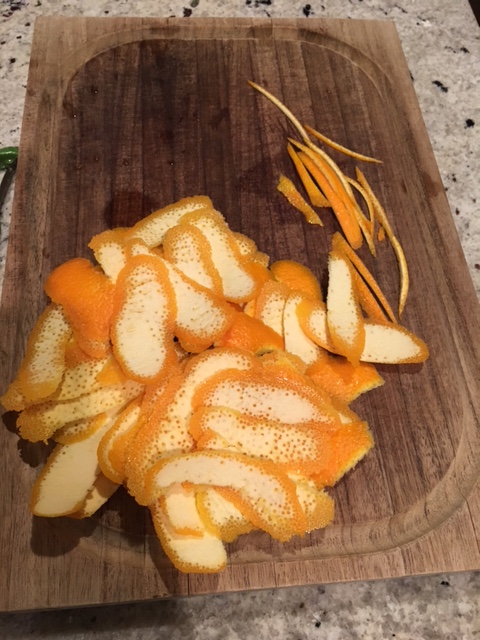
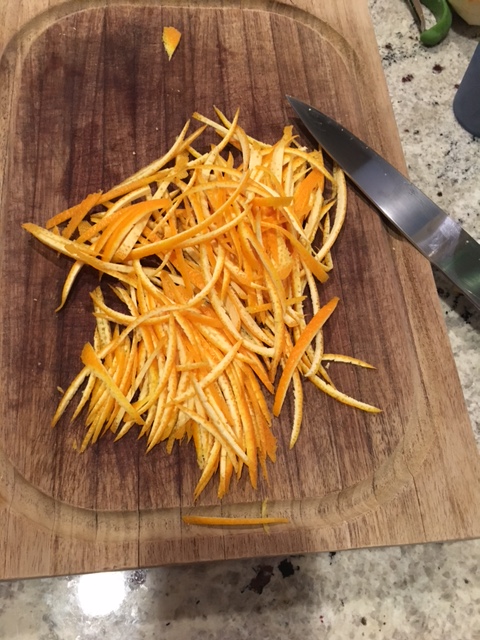
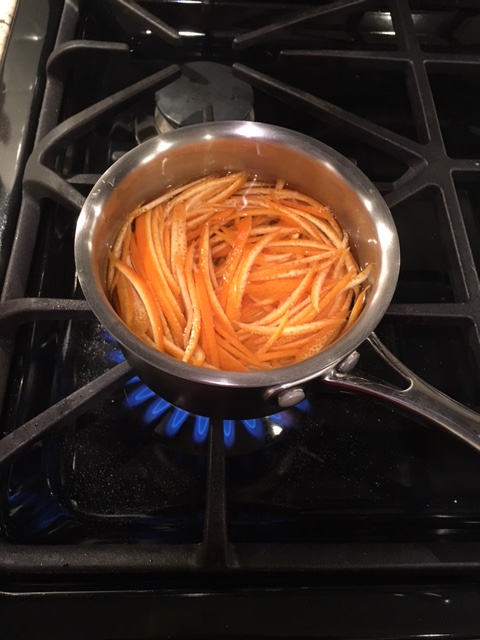
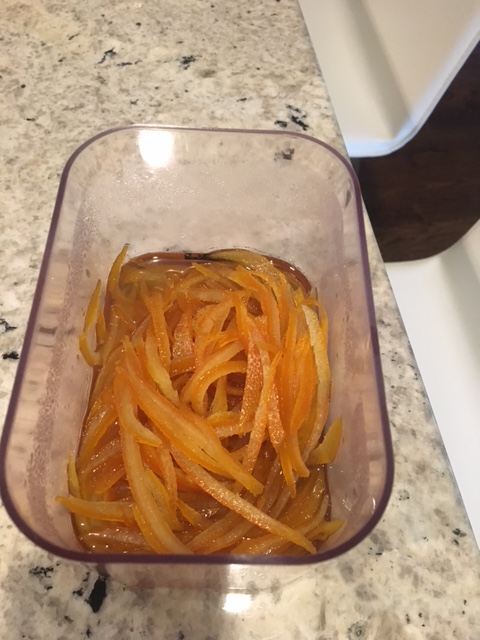
Peel off the skin of the oranges with a vegetable peeler and cut the peel into very thin strips. Place the peel strips in a small pan and cover them with water. Boil and then reduce to a gentle boil for 15 minutes. Then, strain the peel and rinse with fresh water. Add the 2 cups of water, sugar, and corn syrup to the pan and bring to a boil. Add the reserved peel and cook at a low boil for 25 minutes, until the mixture reaches 230 degrees on a candy thermometer or until the peel starts to look a little translucent and the liquid gets syrupy. Cool, and refrigerate in an airtight container.

img_1530img_1531img_1532img_1533img_1536

18 Brumaire

In 2016 (Gregorian), the US Presidential election fell on 18 Brumaire of the French Republican Calendar. In 1799, 18 Brumaire is remembered as the day Napoleon formed a coup to seize power from the Council of Five Hundred. While Napoleon used military force to arrest and subdue Republicans opposed to him, the coup was bloodless. The following day, his allies in the legislature appointed him provisional consul. From the Wikipedia entry: “Resistance by Jacobin officeholders in the provinces was quickly crushed. Twenty Jacobin deputies were exiled, and others were arrested.” In the days and years after 18 Brumaire, Napoleon further consolidated his power and had military success in Italy. In 1802, a new constitution was approved which declared Napoleon “First Consul for Life.”

In 1852, Karl Marx published an essay entitled, “Der 18te Brumaire des Louis Napoleon”. 

The first line of the essay is one of his most-quoted, “History repeats itself, first as tragedy, then as farce.”


Endive Salad

Happy Endive Day!

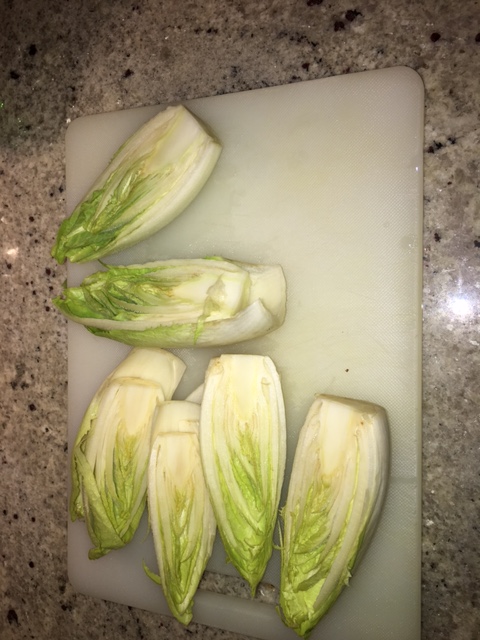
So, endives are seriously interesting. They are part of the chicory family and what we commonly think of as endives are Belgian endives. According to California Endive (which appears to be a shill for a specific endive producer in California) a Belgian, Jan Lammers (not the famous race car driver) stored some chicory roots in his cellar in 1830. He forgot about them for a few months and when he looked at them again, they had sprouted (in the dark, damp cellar) the leaves we currently associate with endive. When the chicory root is grown in the ground under full sun, the leaves look like this. So, modern production of Belgian endives go like this: the seed is planted in a field and allowed to grow a large chicory root and curly leaves. The leaves are mowed and the root is dug up. The root is transplanted in a dark, damp growing room and endives are then harvested.

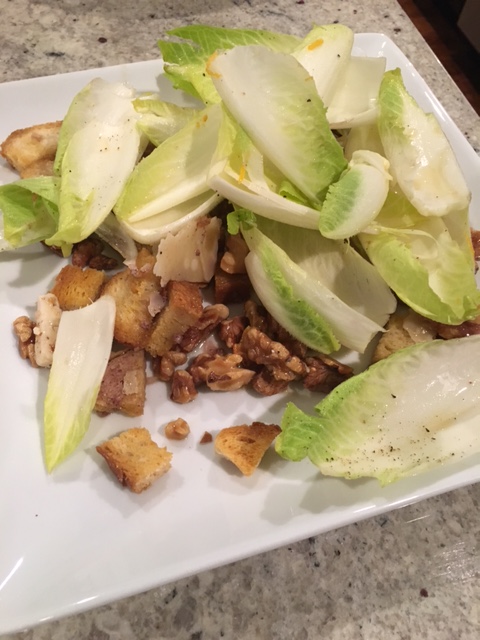
The salad I made today is via Bon Appetit and was delicious!

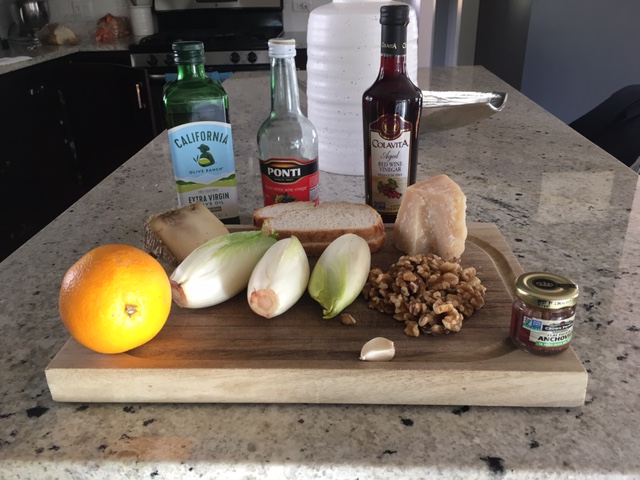
Endive and Walnut Salad 

1/2 walnuts

1 cup torn bread

4 anchovy fillets, diced

1 clove of garlic, diced

2 tbs red wine vinegar

1/4 cup Taleggio cheese, chopped

1/4 cup of Parmesan, shaved

3 Belgian endives

1 tsp orange zest

2 tbs fresh orange juice

1 tbs white wine vinegar

First, roast the walnuts in the oven at 350 for 8 minutes. Reserve the nuts. Then, toss the bread crumbs in two tablespoons of olive oil, a pinch of salt and pepper. Spread them on a pan and bake at 350 for 15 minutes, tossing once. Reserve.

Next, make the red wine vinaigrette. Add the anchovy, red wine, 4 tablespoons of olive oil, garlic, dash of salt and pepper to a small bowl and whisk.

Next, slice the endives in half and separate the leaves. Place in a medium bowl and toss with the white wine vinegar and the orange juice. Sprinkle the orange zest over.

Add the walnuts, breadcrumbs, taleggio and Parmesan to the red wine sauce. Toss and spread on a plate. Top with the endives and enjoy!

img_1500img_1502img_1504


Jerusalem Artichoke Soup

Merry Jerusalem Artichoke Day!

On the 13th of Brumaire, we celebrate the Jerusalem Artichoke. I have seen and heard of them more commonly as sunchokes. Wikipedia has an explanation of its name – it is neither related to Jerusalem or artichokes. The flower on the plant resembles a sunflower, which in Italian is girasole. This perhaps mutated into “Jerusalem” in English. The flavor evokes an artichoke, but is distinctly different.

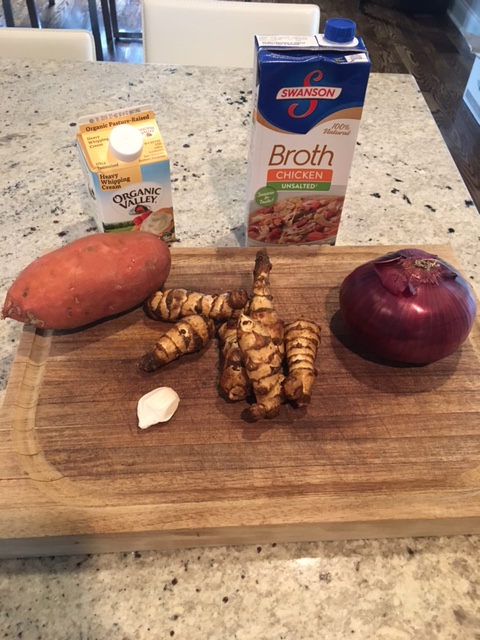
I’ve done a riff on a Food Network Jerusalem Artichoke soup. I’ve used only a few sunchokes and added some sweet potato. It would be nice to slice them thinly also and roast with oil and salt.

Jerusalem Artichoke Soup 

3-4 sunchokes

1 cup of diced red onion

1 clove garlic

4 sprigs of fresh thyme

3 cups of vegetable stock (I used chicken)

1 sweet potato

1 cup of heavy cream

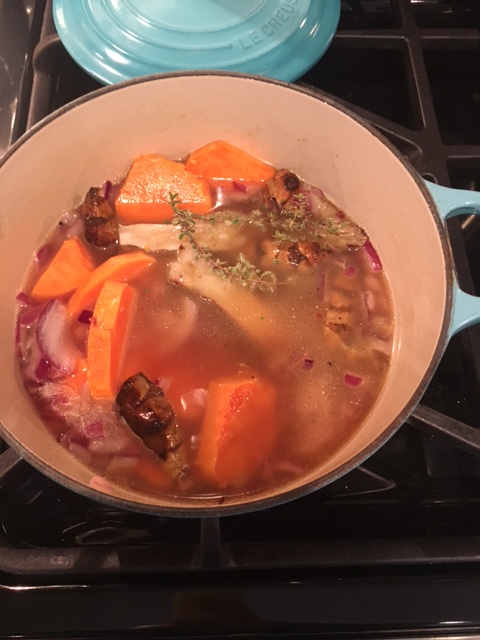
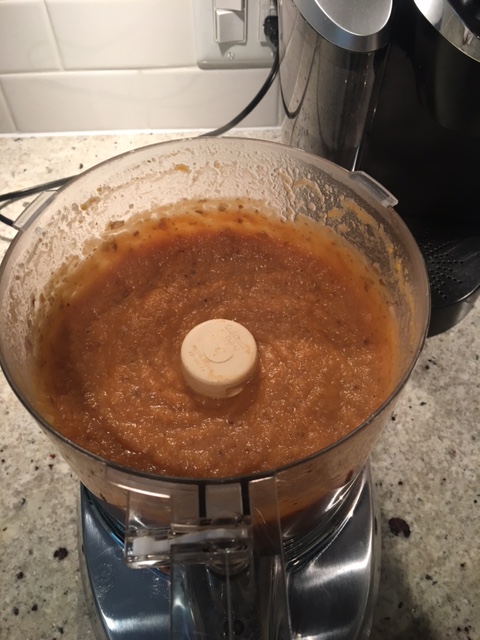
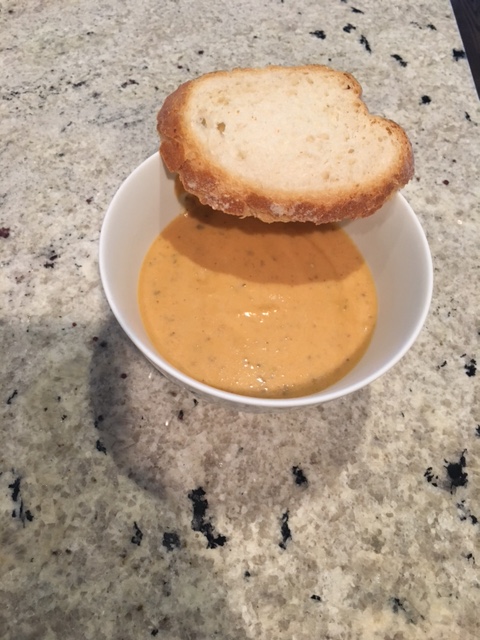
First, wash and dry the sunchokes. Drizzle some olive oil over them and the sweet potato and roast at 400 until tender (30 minutes – maybe longer for the potato). Slice the sunchokes and potato when they are done cooking. Add some olive oil to a medium sized pan and cook the onion and garlic for 5 minutes. Add salt and pepper. Then, add the thyme and cook for a minute until fragrant. Add the roasted sunchokes and sweet potato and the stock. Bring to a boil and then reduce to a simmer. Simmer for 30 minutes, uncovered. Once done, puree the mixture in a blender or food processor along until smooth. Add the heavy cream. Serve with some crusty bread and enjoy!

img_1481img_1482img_1483img_1484

Water Chestnut Rumaki

Happy Water Chestnut Day!

We’ve skipped over Plow Day and White Salsify day of Brumaire, Foggy Month. Salsify seems to be available in the U.S. in cans, but I was unable to find any in my usual grocery stores. Which brings us to water chestnuts! I’m pretty sure I’ve only had them sliced in Chinese food, so I attempted to use them in a slightly different way here. A popular dim sum dish is water chestnut cake which uses flour made from water chestnuts and sliced chestnuts. The end result is a translucent aspic of water chestnuts. Water chestnuts themselves do definitely resemble chestnuts, but are grown underground in marshes.

I’m using a Joy of Cooking recipe for water chestnut rumaki. Rumaki is a Don the Beachcomber/Trader Vic’s faux Polynesian dish. The water chestnuts are crunchy and an added bonus is – homemade teriyaki sauce!

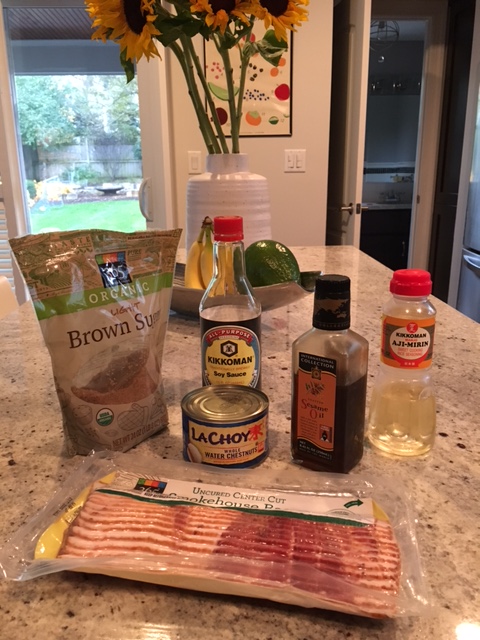
Water Chestnut Rumaki 

1 can of water chestnuts

1/2 cup soy sauce

1/4 cup water

2 tbs mirin

1/4 cup brown sugar

1/4 cup granulated sugar

2 cloves garlic, minced

1 tbs ginger, minced

3 strips of bacon

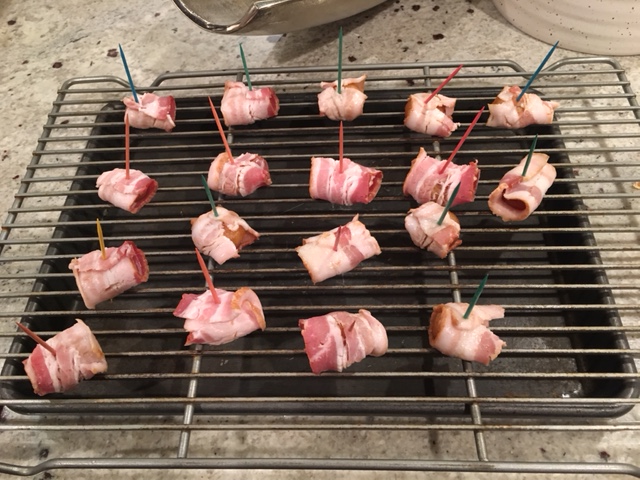
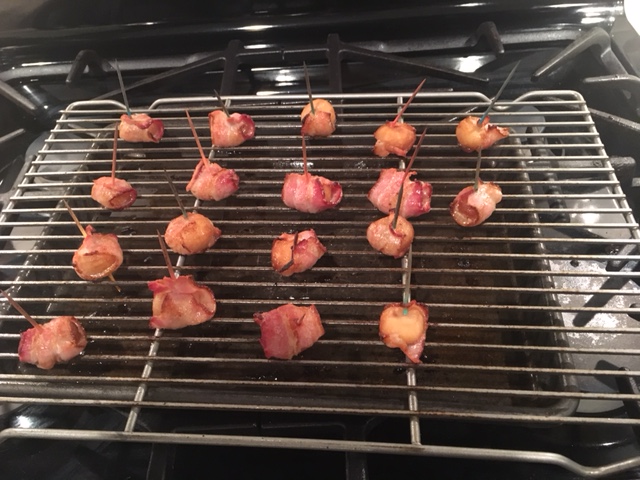
First, make the teriyaki sauce – combine the soy sauce, water, mirin, sugars, garlic and ginger in a small saucepan and bring to a boil. Let it simmer until the sauce has reduced and become syrupy. Drain the can of water chestnuts and marinate with two tablespoons of sauce for 20 minutes in a small bowl. Meanwhile, arrange a cooling rack over a baking tray and slice your bacon strips into three or four pieces each. After the 20 minutes are up, wrap a piece of bacon around each chestnut and pin with a toothpick. Place the wrapped water chestnuts on the tray and cook under the broiler until the bacon looks crisp. Enjoy!

img_1489img_1490img_1492img_1493


Salsify Fritters

Bonsoir and happy Black Salsify Day!

First, some housekeeping. I accidently posted Fig Day on Heliotrope day. Quelle horreur! A million apologies. Heliotrope appears to be used mostly in perfumes for its fragrance. Supposedly it is nicknamed “the cherry pie plant” because it smells like cherry pie. At any rate, I did not make any foods to celebrate Heliotrope Day, but I hope everyone wore something purple. Yesterday was Black Salsify Day and today is Chequer Tree Day. Wikipedia says that chequer trees produce a fruit that is similar to a date, but is rarely eaten these days. I celebrate the chequer tree, but am not cooking a dish using chequer tree fruit.

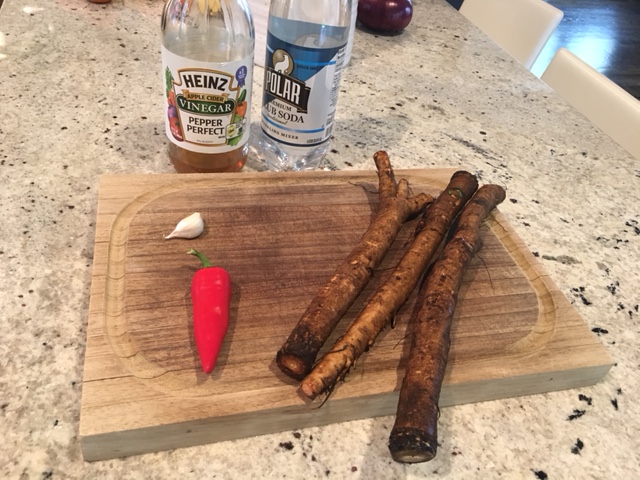
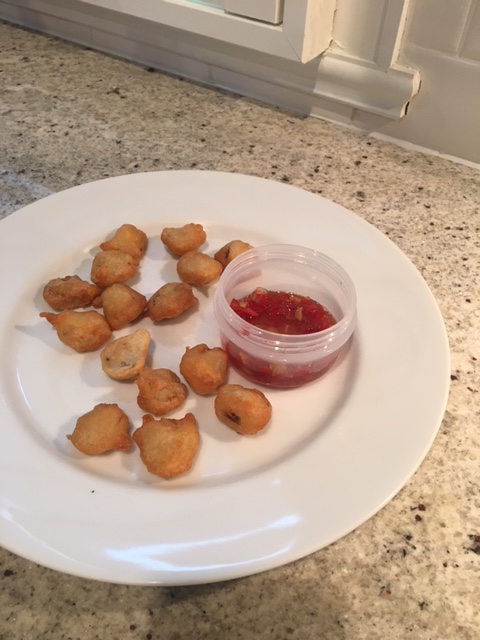
Black salsify is a root vegetable native to Europe. Wikipedia has it being cultivated in France from 1660 onward. At the grocery store(s), I found no black salsify, but I DID find a root that looked *exactly* like photos of black salsify online. This is a picture of burdock root and this is a picture of black salsify. Allegedly! It is burdock root and the internet says that grocery stores often misidentify it as black salsify. Whether or not that is the case here, I care not! I am using this root and cooking it with a recipe I found from Hugh Fearnely-Whittingstall for black salsify fritters.

Fried Black Salsify 

3 black salsify roots

1 cup of flour

1/2 tsp salt

1 egg yolk

1/2 cup sparkling water

1 red chili, diced

1 garlic clove, minced

2 tbs sugar

1/2 cup apple cider vinegar

2 tbs water

oil for frying

Heat a pot of water to boiling.

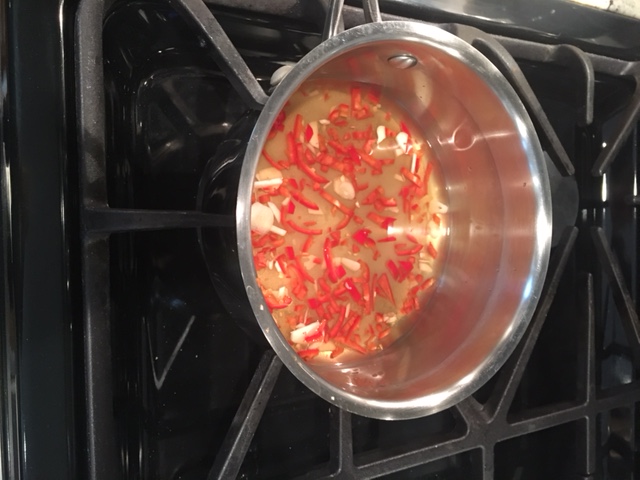
The dipping sauce here is a homemade sweet chili sauce and it is DELICIOUS. For the sauce, put the chili, garlic, vinegar, sugar and water in a small saucepan and heat until the sugar dissolves. Simmer until syrupy and reserve.

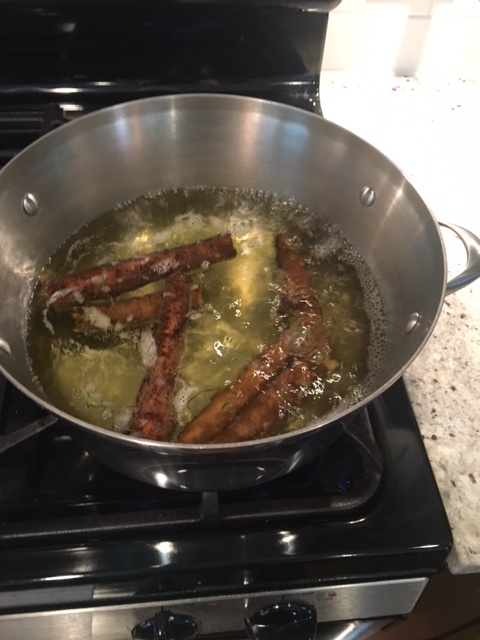
Boil the salsify roots for 5 minutes. Place in an ice bath. Once cool, peel off the skin and cut into coins. Whisk together the flour, salt, egg yolk and sparkling water. Heat a pan of oil for frying to 350 degrees. Dip the salsify coins in the batter and fry until golden brown. Remove to a plate lined with paper towels. Serve with the sweet chili sauce. Enjoy!

img_1477-copyimg_1478-copyimg_1479img_1480


Fig Ice Cream

Happy Fig Day!

Figs are an ancient domesticated fruit – the cultivation of figs possibly predates that of wheat and barley. I had vaguely remembered a fairly gross factoid about figs that seems to pan out – figs are pollinated via wasps that enter fig fruits and lay eggs. In the process of doing so, some female wasps end up stuck inside of fig fruits and die. The fig fruit has an enzyme that turns most of the wasp into protein. So, when we eat certain types of figs, we’re also eating dead wasp exoskeletons. Allegedly, figs raised in California are self-pollinating and don’t require wasps and are therefore *supposedly* wasp-free. Cursory internet research didn’t produce an explanation for how figs could self pollinate.

To celebrate figs today, I turn to David Lebovitz‘s wonderful The Perfect Scoop. He has a very simple fig ice cream recipe that is sure to delight.

Fig Ice Cream 

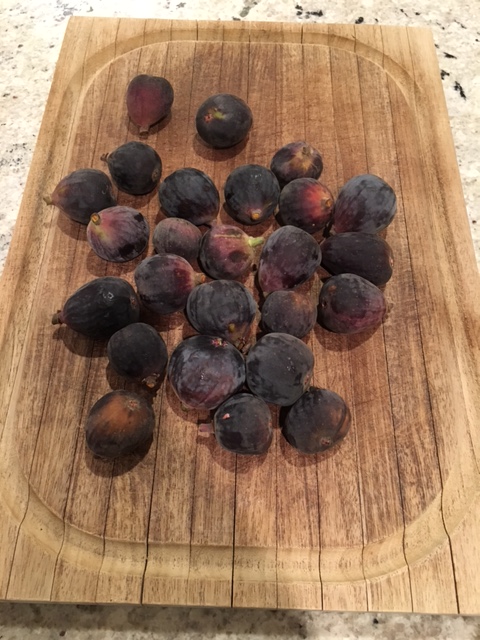
20 ripe fresh figs

1/2 cup water

1 lemon

3/4 cup sugar

1 cup heavy cream

1/2 tsp fresh squeezed lemon juice

dash of salt

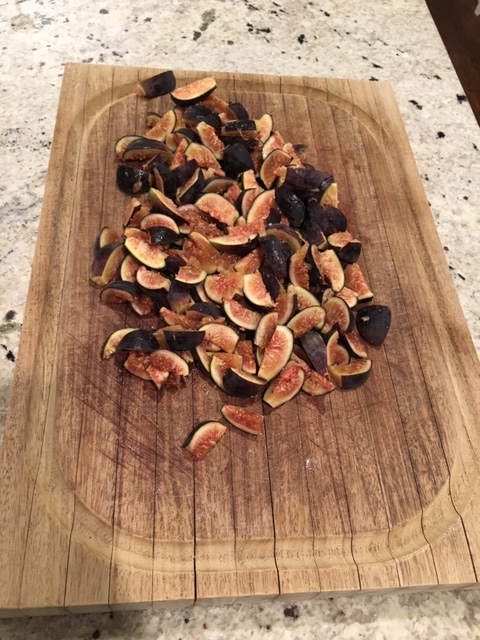
Cut off the hard stems of the figs and then slice each fig into 8 pieces. Place the figs, water and lemon zest in a medium pan and cook over medium heat, covered. Continue to cook for 8 to 10 minutes.

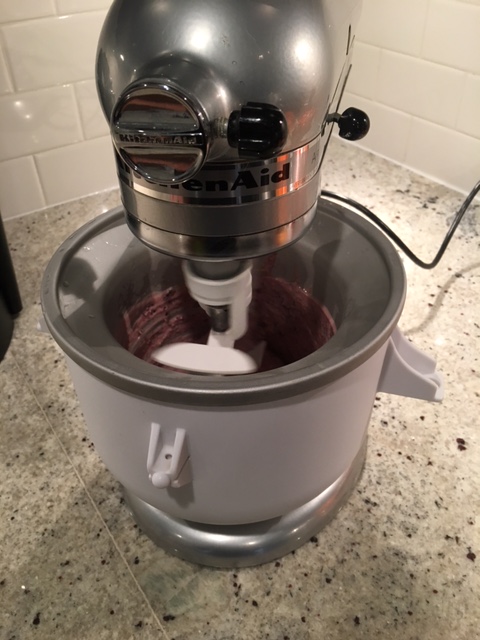
Add the sugar and remove the lid. Continue to cook until the figs and fig syrup become syrupy. Remove from heat and let cool. Once cooled, puree in a food processor. Add the cream, lemon juice and salt and continue to puree. Chill overnight and then process in an ice cream maker. Enjoy!

img_1451img_1452img_1454img_1469


Christmas Goose

Happy 5 Brumaire! Alternately known as Foggy Goose day!

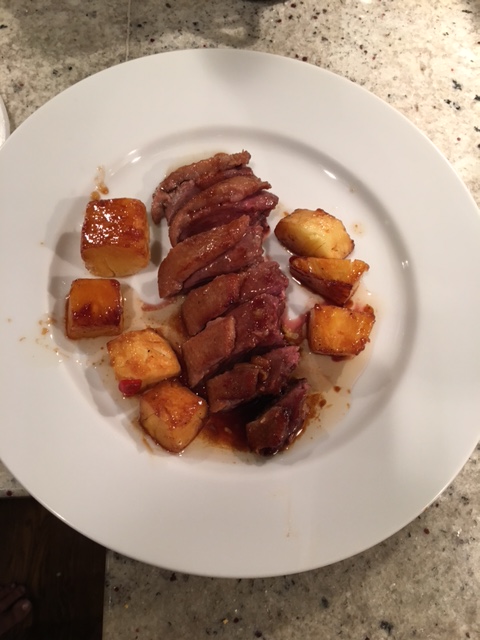
In the spirit of reason and Brumaire, I have found a goose and cooked it. I decided to take a page from Hugh Fearnley-Whittingstall‘s River Cottage Year and make a stab at his Christmas goose recipe. In an update to follow, I’ll describe the duck legs confit that I’ve got going in the fridge. Today, rather than roast the goose breast simply, as he describes in River Cottage Year, I went with a recipe for goose breast from his massive MEAT tome – The River Cottage Meat Book. His christmas goose recipe follows three main steps: first, making a sausage out of the neck, second, confit of the legs, and third, roasting the breast. This recipe for the breast was very simple and could easily translate to chicken thighs.

Goose or Duck Breasts with Pineapple, Chile and Soy

1 boneless goose breast

1/2 large pineapple

3 tbs soy sauce

1 tsp honey

3 garlic cloves, chopped

2 inch piece of ginger, sliced

1 fresh red pepper

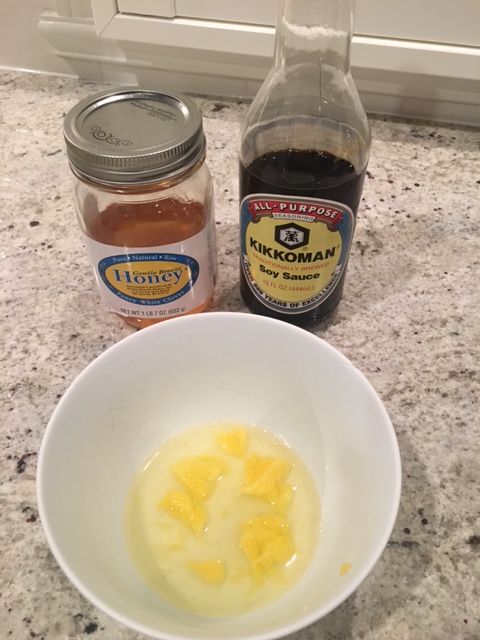
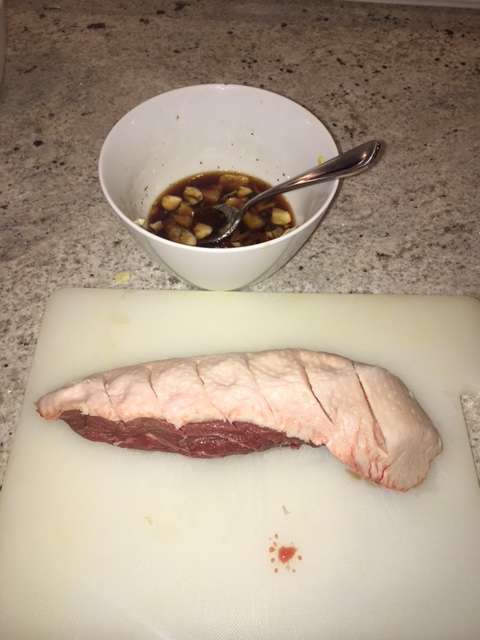
Heat the oven to 425. Peel and core the pineapple and reserve two slices. Juice the rest of the 1/2 pineapple and use the juice in the marinade. For the marinade, add the pineapple juice, soy sauce, honey, garlic, ginger, red pepper and black pepper. Make 6 or 7 slashes in the skin of the breast and place in the marinade.

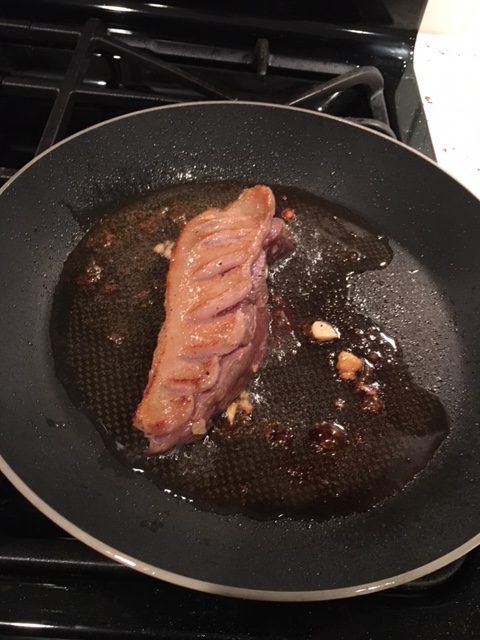
Once sufficently marinated (Hugh suggests a couple of hours, but 10 minutes would suffice), Heat a pan to very hot and add a small amount of oil. Sear both sides of the breast until the skin begins to crisp. Place the breast in an ovenproof dish and pour the marinade over the breast. Cook in the oven for 12 to 14 minutes. Remove the breast from the dish and let rest while cooking the pineapple.

Chop the reserved two slices of pineapple into chunks and cook in a lightly oiled pan. Sprinkle a little sugar over them to caramelize. Pour the juices from the cooked breast dish into the pineapple pan and reduce until syrupy. Place the meat in the pan and coat with the syrup. Slice the breast and enjoy!

img_1457img_1458img_1461img_1463img_1464img_1465