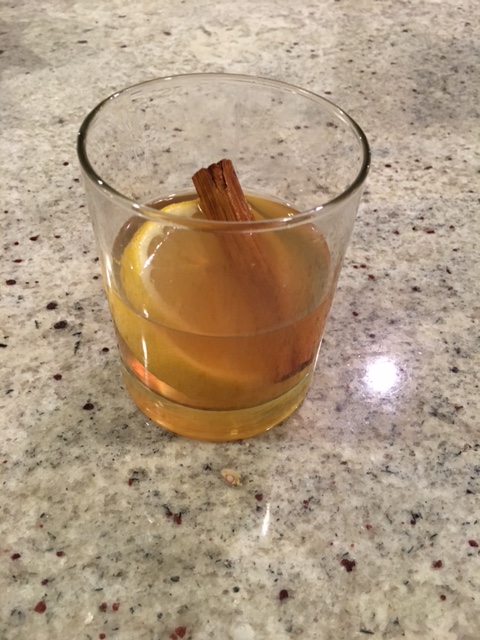
Goat Curry 

Welcome to Ventôse, Windy month in the French Republican Calendar. We are officially halfway through this crazy project of cooking as much of the calendar as possible. Six more months to go (as well as some sans-culottides days at the very end of the year)!

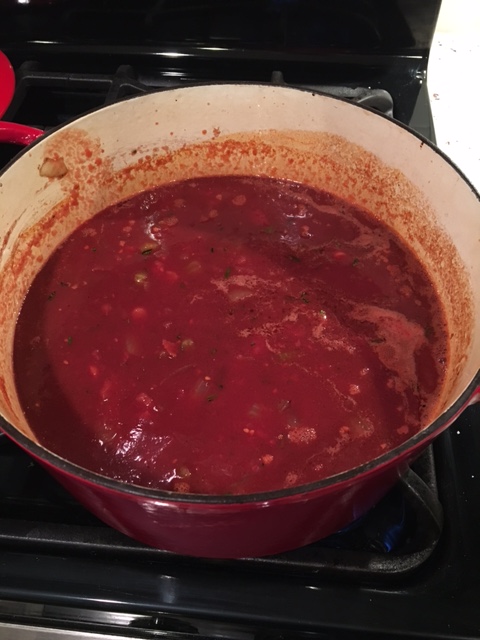
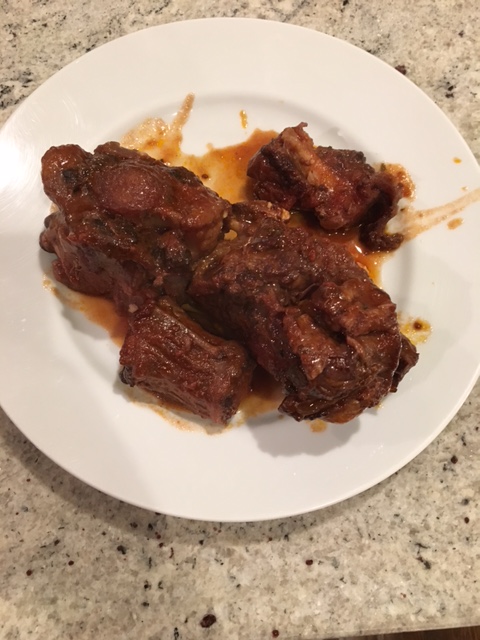
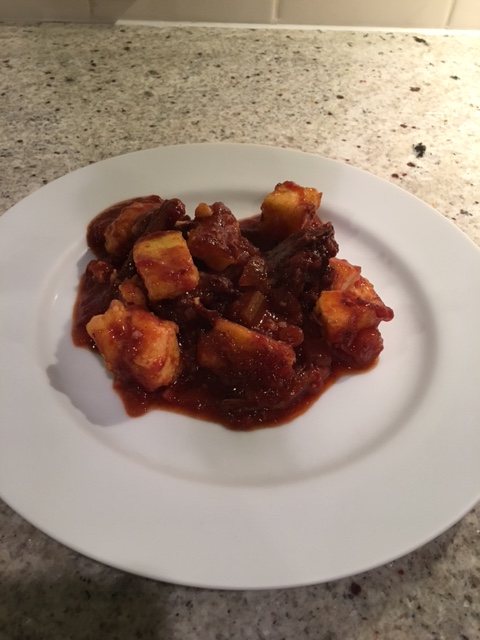
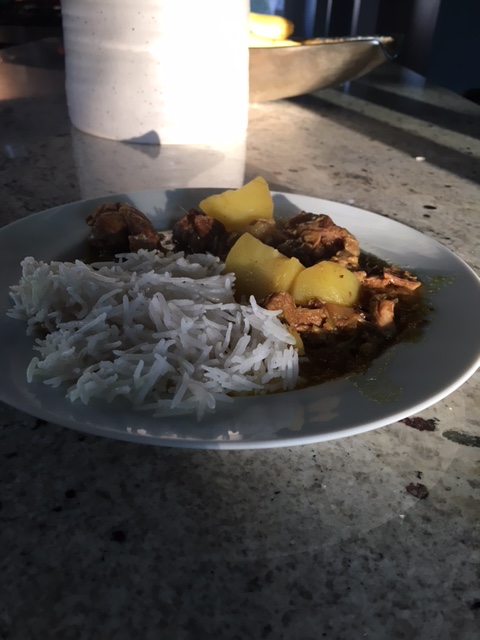
Today, we celebrate the billy goat. Did we know that Thor’s chariot was pulled by goats? At any rate, I’m celebrating Billy goat Day of Windy month with a goat curry from Meera Sodha’s Made in India.

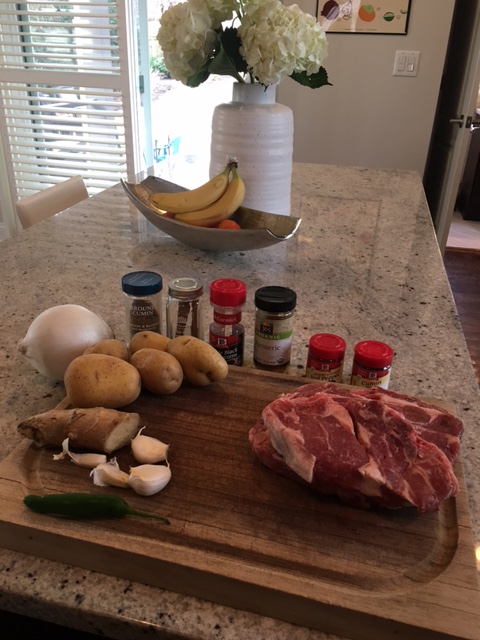
Goat and Potato Curry 

1 3/4 piece of ginger

4 cloves of garlic

1 fresh green chili

salt

4 tbs canola oil

1 tsp cumin seeds

1/2 tsp black peppercorns

1 cinnamon stick

1 large onion, sliced

2 lbs goat shoulder

2 tsp ground coriander

1 tsp ground cumin

1/2 tsp ground tumeric

1 1/2 cups vegetable stock

3/4 lbs potatoes

1 tsp chili powder

Heat the oil in a large pot and then add the cumin seeds, peppercorns and cinnamon stick. Cook for a minute and then add the sliced onion. Cook for 5 minutes. Chop the ginger, garlic and green chili. Add to the pot and cook for about 10 minutes.

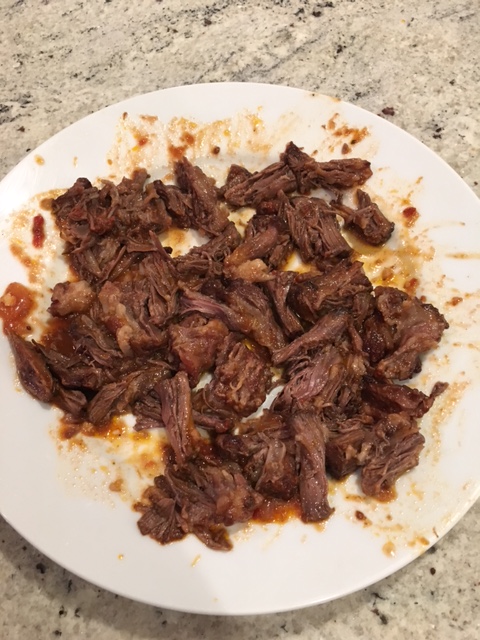
Add the goat, coriander, cumin and tumeric. Pour in the stock and bring to a boil. Cover and reduce to a simmer and cook until the goat is falling apart. I cooked it for about 3 hours.

Then, peel the potatoes and cut into bite-sized cubes. Add to the goat along with 1 1/2 tsp of salt and the chili powder. Cover and continue to cook until the potatoes are tender. Enjoy!
img_1751img_1761

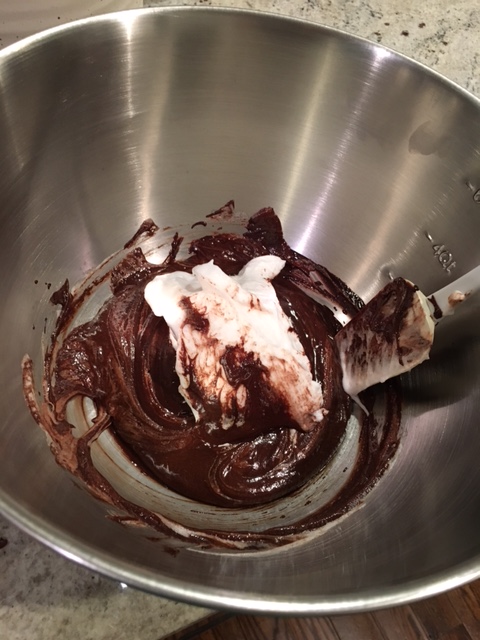
Bunny Cream Puffs

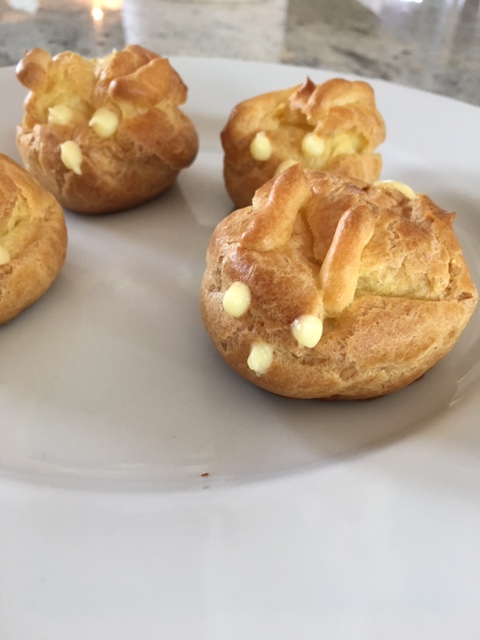
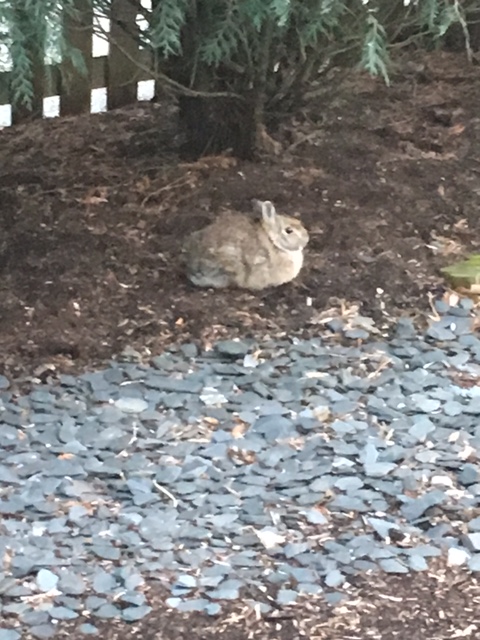
I couldn’t bring myself to cook a rabbit for Hare Day (25 Pluviôse), so I celebrated the day with vaguely bunny-shaped cream puffs instead. You’re safe this year, bunny in our back yard! The month of Pluviose tapered off with flora that I couldn’t easily translate into edible dishes. We’re skipping over: lichen, yew tree, lungwort, couch grass, woad and knotgrass (among others). From a reputable Icelandic source, their lichen is still being used for edible products.

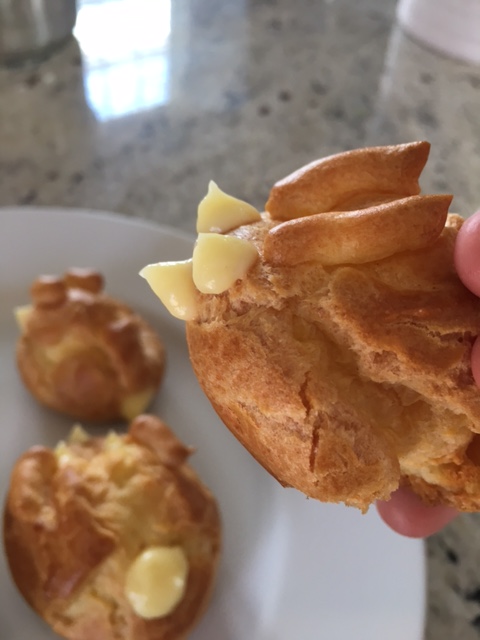
I filled the bunnys with pastry cream, but vanilla ice cream would be just as good.

Cream Puffs

Choux Paste

1 cup sifted flour

1/2 cup water

1/2 cup whole milk

8 tbs butter

1/2 tsp salt

4 large eggs

Pastry Cream 

1/3 cup sugar

2 tbs flour

2 tbs cornstarch

4 large egg yolks

1 1/2 cup milk

3/4 teaspoon vanilla

To make the puffs, we’ll make choux paste. Heat the oven to 400. In a large saucepan, combine the water, milk, butter and salt. Bring to a boil and then add the flour. Mix vigorously until combined. Continue to cook and stir for another minute. Transfer to a bowl and let the mixture cool for 5 minutes. Then, beat in the eggs one at a time.

For the pastry filling, mix the sugar, flour, cornstarch and egg yolks until pale yellow. In a medium saucepan, heat the milk to a simmer. Temper the egg mixture by slowly whisking in the hot milk into th eggs. Then, pour everything back into the pan and cook, whisking constantly until the mixture starts to bubble. Then, cook for 45 to 60 seconds more. Scrape the custard into a clean bowl and add the vanilla. Cover with a piece of wax paper and refrigerate until ready to use.

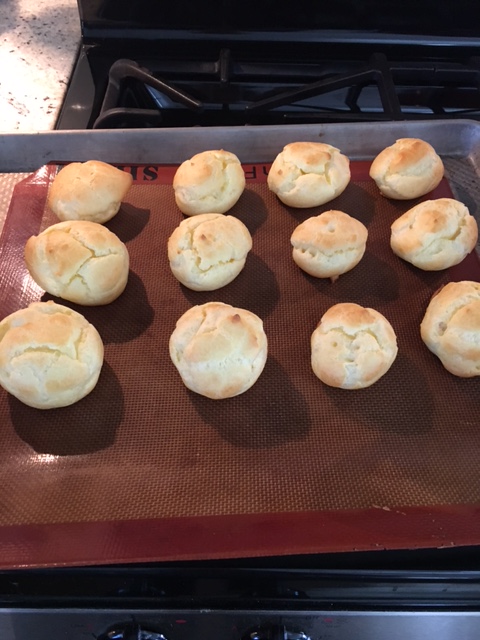
Put the choux paste into a pastry bag or a ziplock bag with one corner cut out in a 1-inch hole. On a baking sheet with a silicone mat, pipe out spheres about 2 1/2 inches wide and 1 inch high. Bake for 15 minutes at 400, then add some bunny ears (if you like) and return to a 350 oven for 20 minutes. Poke a hole in the bottom (or side for bunnys) and return to a turned-off oven to continue drying. When cool, fill with pastry cream using a pastry bag or ziplock bag. Enjoy!
img_1752img_1754img_1757img_1763

Steak au Poivre

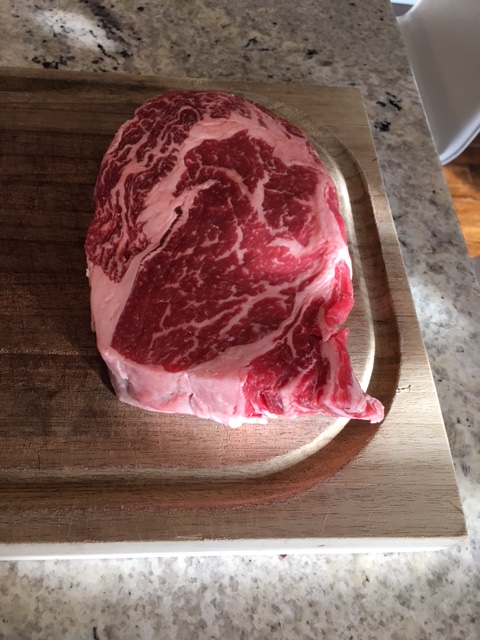
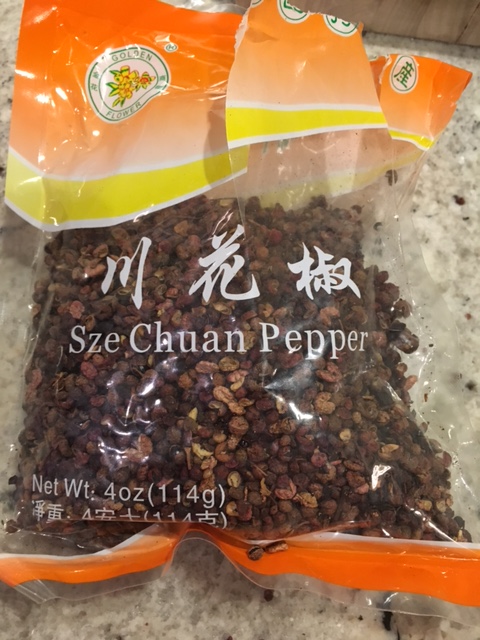
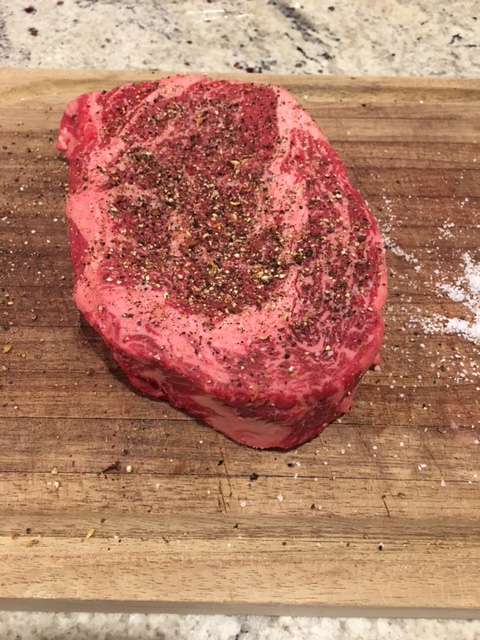
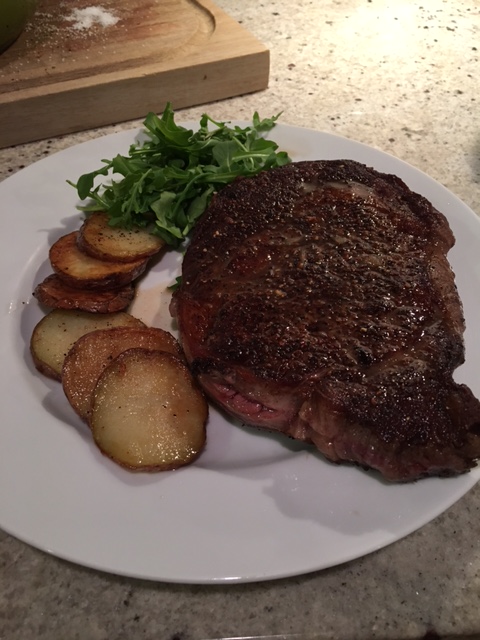
To celebrate Rainy Cow Day (15 Pluviose), we’re keeping it simple with some steak au poivre. I’ve adapted Julia Child’s recipe and added some Sichuan peppers into the mix with regular black peppercorns.

In trying to find the origin of the dish, I ran into some questions of who invented the dish. According to the Larousse Gastronomique:

The origins of steak “au poivre”, a steak coated with crushed peppercorns or served with a peppercorn sauce, are controversial. Chefs who claim to have created this dish include E. Lerch in 1930, when he was chef at the Restaurant Albert on the Champs-Elysees; and M. Deveau in about 1920, at Maxim’s. However, M.G. Comte certifies that steak “au poivre” was already established as a specialty of the Hotel de Paris at Monte Carlo in 1910, and O. Becker states that he prepared it in 1905 at Palliard’s!

Steak au Poivre

2 tbs of peppercorns (I used Sichuan and black)

2 to 2 1/2 lb of steak

1 tbs butter

2 tbs minced shallots or green onions

1/2 cup of stock

1/3 cup of cognac (I used brandy)

3 to 4 tbs of butter

Press the peppercorns on both sides of the steak. Heat a tablespoon of oil and a tablespoon of butter in a large pan and cook the steak for 3 to 4 minutes on both sides. Remove to a plate and keep warm. Pour out the fat in the skillet and add butter and shallots and cook for a minute. Add teh stock and boil it down on high heat . Then add the cognac and boil for a minute or two. Add in the butter a half-tablespoon at a time. Pour the sauce over the steak and enjoy!

img_1732img_1734img_1735img_1736

Broccoli Gratin

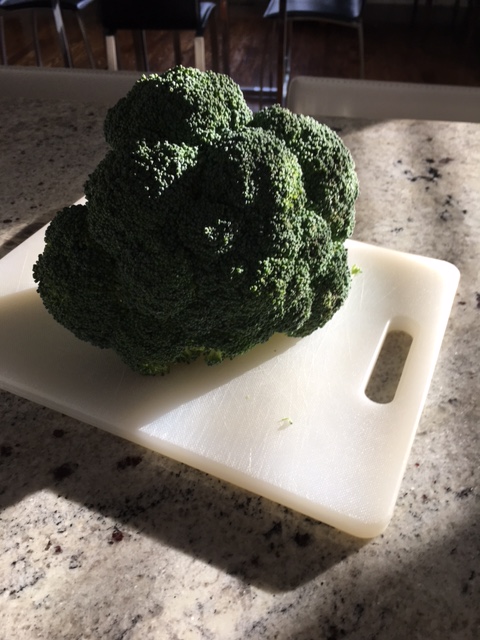
Today, we’re celebrating two days of Pluviôse together – Broccoli and Bay Laurel (12 and 13 Pluviôse). Bay laurel trees give us bay leaves and were also used to make the laurel wreaths of classical times. It is also the root of “baccalaureate” and “poet laureate” and the latin name for the tree is: laurus nobilis.

We’re traveling back to 1903 and using a recipe from Auguste Escoffier’s Le Guide CulinaireHere is recipe #4067 in Le Guide:

Chou-fleur au Gratin

Cook a cauliflower divided into bouquets in the usual manner, drain well and heat in a little butter to dry out any remaining moisture. Arrange the bouquets in a suitable-size round bowl to re-form it to its original shape, filling the centre with a few tablespoons of Sauce Mornay. Coat the bottom of a gratin dish with Sauce Mornay and demould the cauliflower on top. cover completely with more sauce, sprinkle with a mixture of grated cheese and fine dry white bread crumbs, and with melted butter, and gratinate.

This recipe falls in the category of “Cauliflower and Broccoli” and Escoffier says that cauliflower and broccoli can be used interchangeably in all recipes in the category. Escoffier’s Sauce Mornay (bechamel with melted gruyere and Parmesean) will give us some creamy and cheesy broccoli.

Broccoli Gratin

1 1/4 cup milk

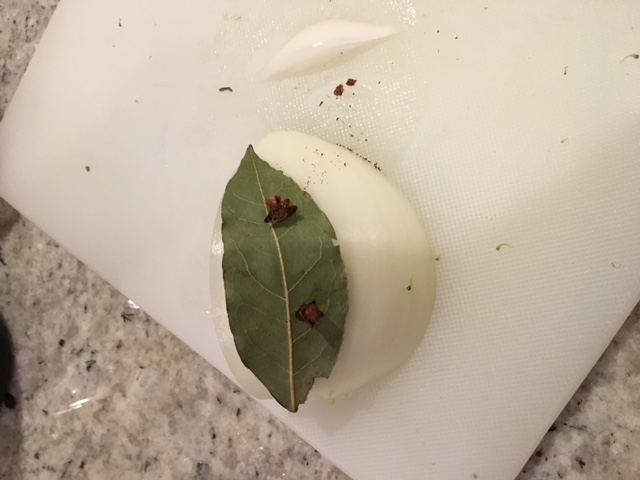
1/4 onion with 1 bay leaf stuck to it using 2 whole cloves

pinch of freshly grated nutmeg

2 tbs butter

2 tbs flour

1 whole head of broccoli, cut up into florets

4 tbs grated Parmesean (divided)

2 tbs grated gruyere

2 tbs panko bread crumbs

First, cut up the head of broccoli and boil several cups of water in a medium pan. Boil the broccoli for 3-4 minutes, then drain. In a separate pan, combine the milk, onion/bay/clove and nutmeg. Simmer for 15 minutes, then discard the onion/bay/clove.

In a separate pan, melt the butter, then whisk in the flour. Cook for 2 to 3 minutes. Slowly whisk in the milk mixture and bring the sauce to a simmer, whisking frequently until thickened (8 to 10 minutes). We are at bechamel! Add 2 tablespoons of Parmesean and the Gruyere and whisk until melted. We are at mornay!

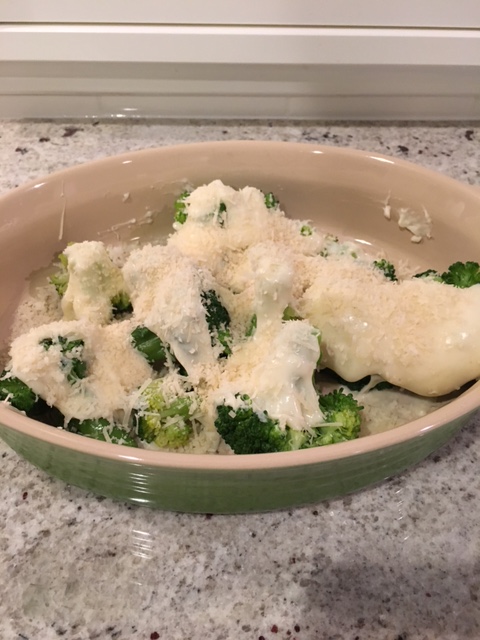
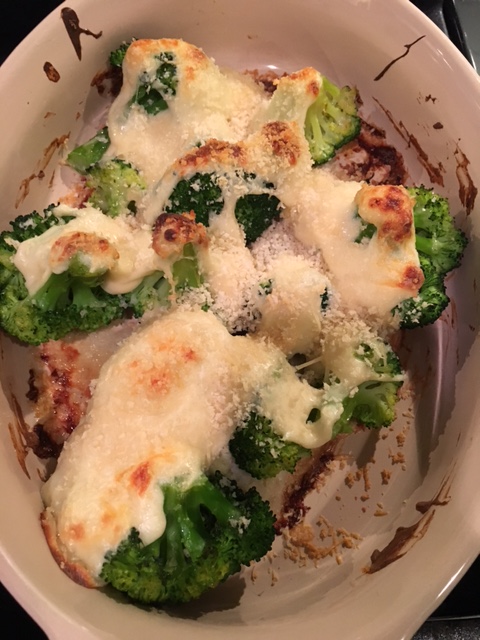
Heat the oven to 400. In a baking dish, spread some of the sauce mornay. Arrange the broccoli in an even layer and then pour the rest of the sauce over the broccoli. Top with remaining Parmesean and bread crumbs. Cook until the top is golden brown 5-8 minutes.

img_1725img_1726img_1727img_1728

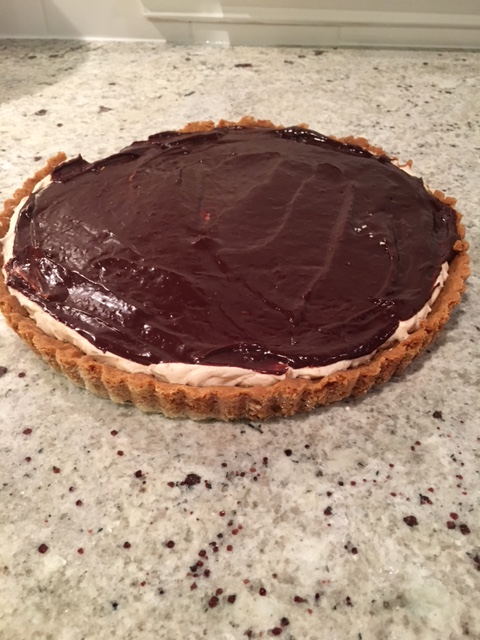
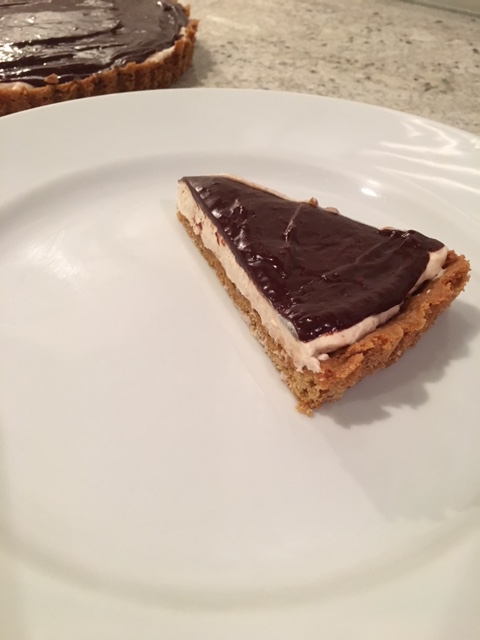
Chocolate Hazelnut Tart

In the spirit of the Gregorian calendar’s February 14th and the Jacobin calendar’s 27 Pluviôse, I have decided to doubly celebrate hazelnuts!

I’m celebrating 27 Pluviôse, Hazel Tree day of Rainy month in the French Republican Calendar a little early so that our two hazelnut recipes are back to back. They both use the same hazelnut paste as their base, so if you’ve made the paste, might as well make this tart as well! I will circle back to some of the dates I’ve skipped over in Pluviôse in the next few posts. So, today, we will be using some more of that hazelnut paste and making Rose Levy Beranbaum‘s Chocolate Hazelnut Mousse Tart. Could be good for a Valentine’s treat, just sayin’.

Chocolate Hazelnut Tart 

Crust 

4 tbs butter

2/3 cups flour

1/2 tsp baking soda

pinch of salt

3 tbs sugar

1/2 cup of hazelnut paste

1/2 large egg, whisked

1/4 tsp vanilla

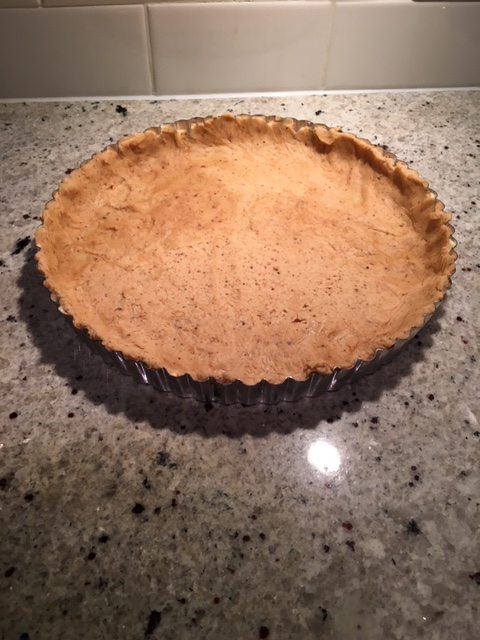
In a food processor, pulse together the sugar and butter. Then add the hazelnut paste and mix for 10 seconds. Add the egg and vanilla and mix until blended. Add the flour, baking soda and salt and pulse until blended.

Spread the dough in a tart pan and push it up the edges. Dust the dough with flour. Refrigerate for an hour.  Preaheat the oven to 375. Bake for 12 to 14 minutes. Remove, let cool completely.

Filling 

3/4 cup of heavy cream

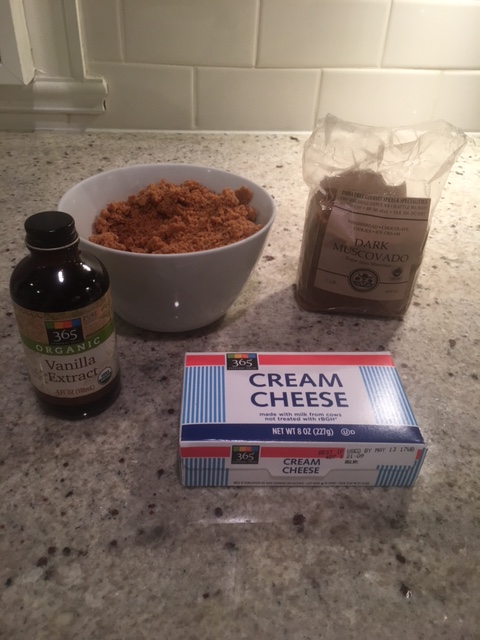
1/2 cup cream cheese, softened

1/2 cup hazelnut paste

1 tbs of muscovado sugar or dark brown sugar

1 tsp vanilla

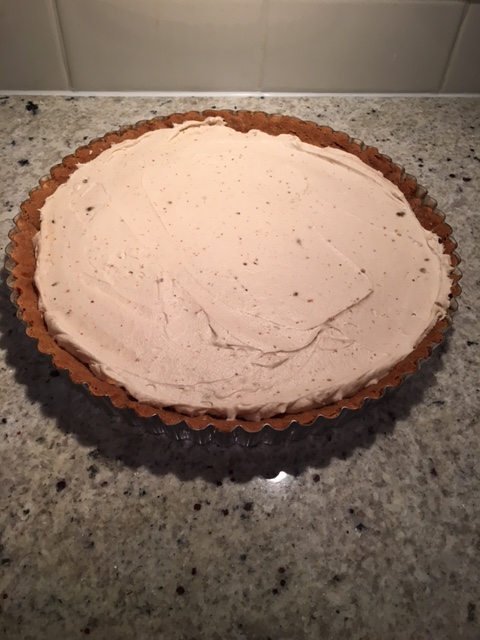
In an electric mixer, whip the heavy cream until thickened. Put the whipped cream in a bowl and in the mixer, whisk the cream cheese, hazelnut paste, sugar until smooth. Mix in the vanilla. Beat in 1/4 cup of whipped cream. When mixed, then fold in the rest of the whipped cream. Spread the filling in the baked tart crust. Refrigerate for an hour.

Ganache Glaze

4 ounces semi sweet chocolate

1/4 cup plus 2 tbs heavy cream

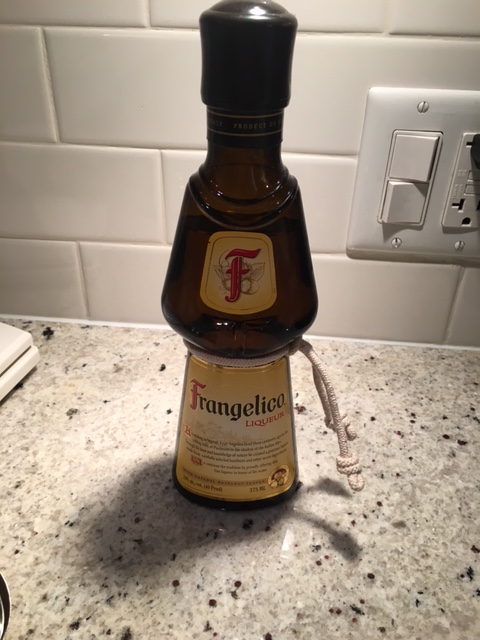
2 tsp Frangelico

In a small saucepan, warm the cream. When simmering, add the chocolate and turn off the heat. Whisk until the chocolate is melted. Whisk in the Frangelico. Let the glaze cool completely before spreading over the filled tart. img_1710img_1711img_1712img_1713hazelnut-chocolate-tart

hazelnut-tart

Chocolate + hazelnut =  ❤

Homemade Nutella Ice Cream

Mes amis!

Today we are celebrating the filbert in several different ways. Filberts are an alternate name for hazelnuts. The Oregon Hazelnut Industry Office suggests that the name filbert was introduced in America by early French settlers possibly derived from St. Philibert whose feast day was August 20, around the time that the nuts are harvested. Another possibility is that the name derives from “full beard” as it has a husk that fully covers the nut. Hazelnut was the name adopted in England and filbert and hazelnut can be used interchangeably.

Our base for two hazelnut recipes will be a hazelnut paste from Rose Levy Beranbaum. This paste will flavor our homemade Nutella ice cream and form the cookie crust for Rose’s hazelnut torte. There is a fair amount of work needed to make the paste, but you’ll be rewarded with a surplus (even if making both of these deserts). The extra can go to topping the ice cream or any sweet treat you’ve got going.

Hazelnut Paste

3 cups water

1/4 cup baking soda

1 1/2 cups hazenuts

1/3 cup sugar

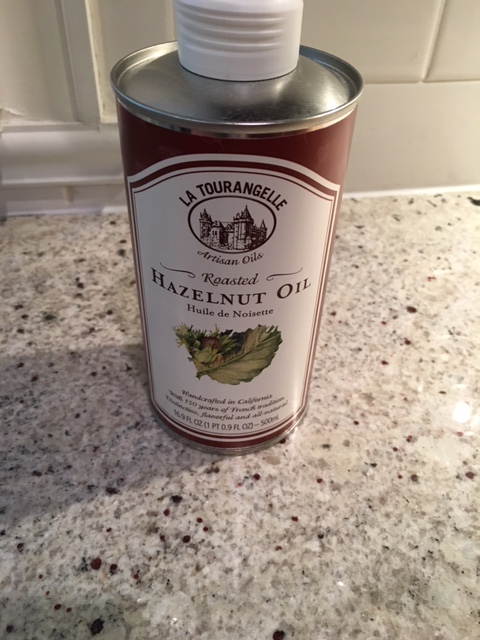
2 tbs hazelnut oil (or canola)

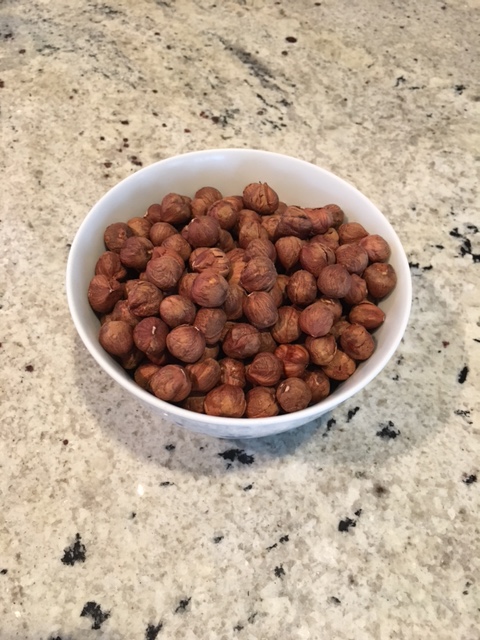
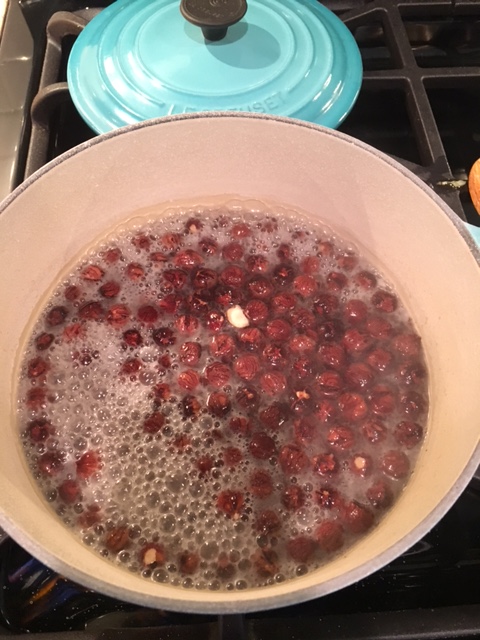
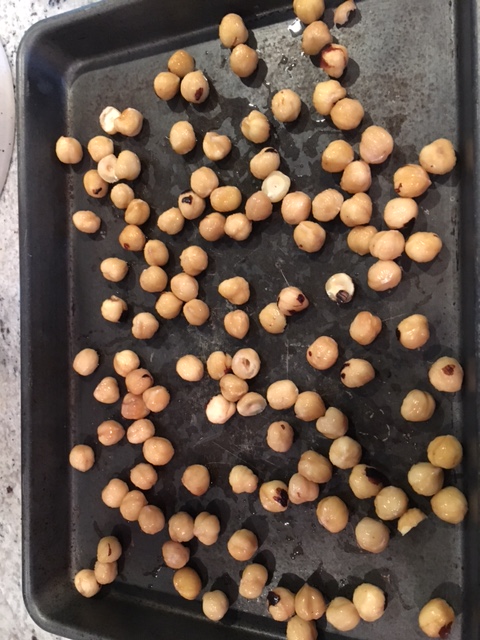
Set the oven to 350 and boil three cups of water in a larger saucepan. Remove from heat and stir in the baking soda. Add the hazelnuts and set the pan back on the heat. Boil for 3 minutes and test a nut by running it under cold water and seeing if the skin slips off easily. If not, boil for another few minutes. Ladle the spoons out of the pan and into a bowl with cool water. Start rubbing! I won’t lie, this next step is somewhat tedious. Using a kitchen towel, rub each nut so that the skin comes off. Rinse the finished nuts and spread them our on a baking pan. Toast in the oven for 20 minutes, shaking the pan a few times during the cooking.

Next, set a silicone mat on a baking sheet. Pour the toasted hazelnuts on top.

Then, add the sugar and 1/3 cup of water together in a small saucepan. Heat until the mixture starts to caramelize into a deep amber (370 on the thermometer). Pour the caramel over the nuts and let it all harden and cool. Break the praline apart and place in a food processor. Add 2 tablespoons of hazelnut oil and puree until smooth. I couldn’t get it super smooth or paste-y (the food processor started to smoke, so I stopped).

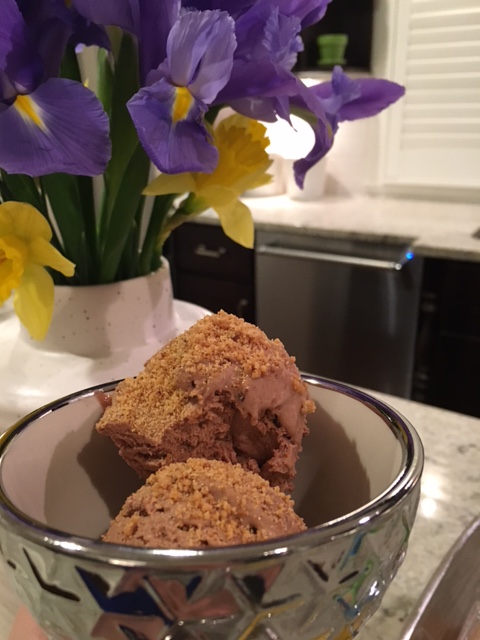
Homemade Nutella Ice Cream

1 1/2 cup of hazelnut paste (above)

1 cup whole milk

2 cups heavy cream

3/4 cup sugar

1/4 tsp salt

4 oz milk chocolate

5 egg yolks

1/8 tsp vanilla extract

Warm the milk with 1 cup of the cream, sugar and salt in a saucepan. In a separate pan, heat the other cup of cream until just simmering. Add the chocolate and remove from heat. Stir together until smooth. Set aside. Separate the eggs and whisk the yolks. Add a little of the warmed milk mixture to the eggs, whisk, repeat, then add the eggs to the saucepan and bring to medium heat. Stir until the mixture thickens and coats the back of a wooden spoon. Set a strainer over the melted chocolate and pour the egg mixture into the chocolate mixture. Mix and add 1 cup of the hazelnut paste and the vanilla. Chill overnight. The next day, mix the ice cream base according to your ice cream maker instructions. When scooping the finished ice cream into its freezer container, sprinkle the remaining 1/2 cup of the paste. Sprinkle with some left over hazelnut paste! Enjoy!
img_1706img_1707img_1708img_1709

nutella-ice-cream

Nutella ice cream with crunchy hazelnut topping!


Oxtail Ragu

Mes Gentilhommes!

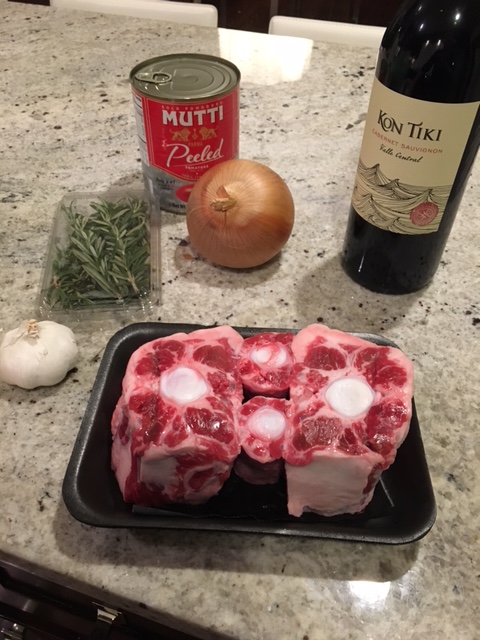
We have emerged (finalment) from the month of Nivôse and are diving headlong into Pluvôise, Rainy Month. For the sake of the mission of this particular blog, I must say I am glad. Mineral month was exciting in a “there’s literally nothing I can think of to make for Bitumen Day,” but I’m glad to say adieu to it for a year. Pluvôise offers us actual vegetation again! It begins with the spurge-laurel, moss, butcher’s broom and the snowdrop flower (which flowers in winter). Today, 5 Pluvôise is Bull Day and I am celebrating the bull by making another oxtail dish. I’ve chosen a hearty oxtail ragu with gnocchi that simmers for a whole afternoon and fills the house with lovely smells on a rainy day.

Oxtail Ragu (makes a double recipe)

1 – 2 lbs of oxtail

1/4 cup flour

2 tsp crushed black pepper

2 tbs salt

2 tbs olive oil

1 large onion

2 large carrots

2 celery stalks

1 head of garlic

1 sprig of rosemary

1 cup red wine

2 cans of 28 oz peeled tomatoes

First, chop the onion, carrots, celery, garlic and rosemary. Then, mix the flour, salt and pepper in a large bowl. Toss the oxtails in the flour mixture. Heat the olive oil in a large pot and brown the oxtails on all sides. Remove the oxtails and reserve. Add add the onion, carrots, celery, rosemary and garlic to the same pot. Cook for 10 to 15 minutes. While they cook, open the cans of tomatoes and pour into a large bowl. Squeeze the full tomatoes so most of the juice is extracted and discard the pulp. This tip is thanks to Tony Danza – it will make your sauce less bitter. Add the wine, tomatoes and some salt and pepper. Bring to a boil. Return the oxtails to the pot and add water so that the meat is covered. Simmer and cook partially covered until the meat falls from the bone of the oxtail, about 4 hours. Let it cool and then put it in the fridge overnight.

The next day when you are ready to eat, take the ragu out of the fridge and skim the fat from the surface. Warm on the stove until heated through and remove the oxtails. Bring the sauce to a low boil and cook until reduced and thickened, 10 minutes. Take the meat off the bones, shred, and add back to the pot. Remove two cups of the ragu and freeze for another rainy day! Serve with gnocchi or pasta.

img_1718img_1719img_1722img_1723img_1724


Lava Cake

Mes amis,

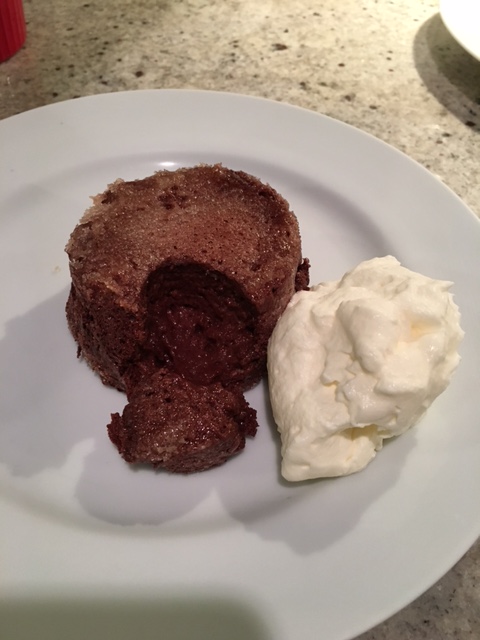
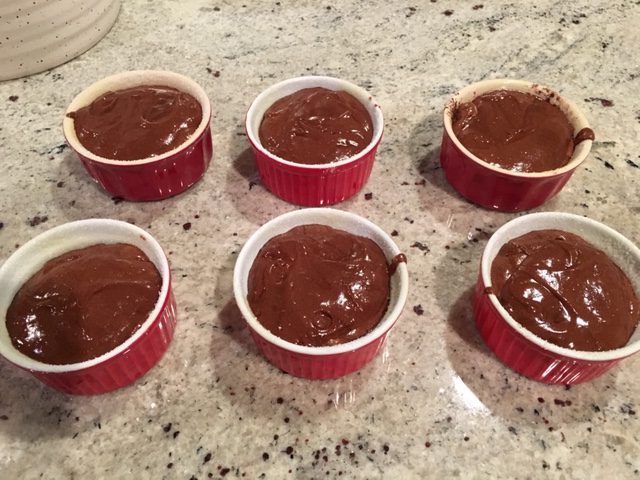
The days of Nivôse have proven to be fairly difficult to pair with food. We’ve skipped over coal, bitumen (asphalt tar), sulfur and dog. Which brings us to lava, 6 Nivôse. To celebrate the 8 new acres of land created by lava flows in Hawaii and the swarms of earthquakes at Mt. Saint Helen’s, I present: molten lava cakes.

Individual Lava Cakes 

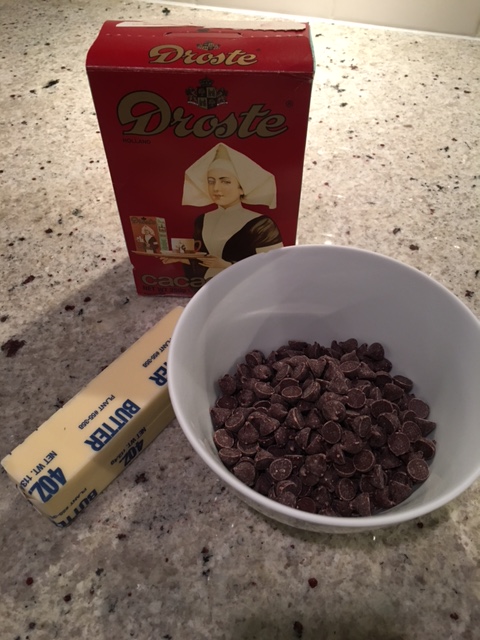
6 ounces semisweet chocolate

6 tbs butter

1/4 cup dutch process cocoa powder, sifted

4 large egg whites

1/8 tsp cream of tartar

2 tablespoons sugar

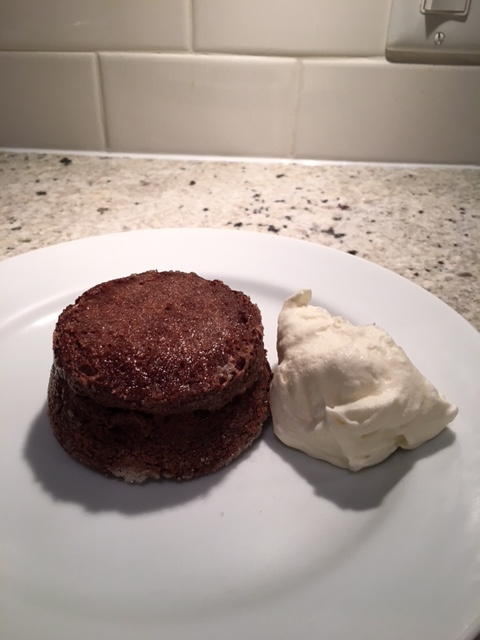
Heat oven to 400. First, start beating the egg whites and cream of tartar in an electric mixer until soft peaks form. While the eggs are beating, melt the butter in a medium sauce pan. Once melted, add the chocolate and heat until just melted. Mix in the cocoa powder. To the egg whites, add the sugar gradually. While the chocolate mixture cools, butter and sugar six ramekins or a muffin pan. Fold the egg whites into the chocolate mixture and then pour into the prepared ramekens. Cook for 7 to 8 minutes and then remove from oven and let cool for 3 minutes. Run a knife around the edges and invert onto a serving plate. Serve with whipped cream or ice cream.

img_1695img_1696img_1697img_1698img_1699img_1700


Black Eyed Peas with Olives

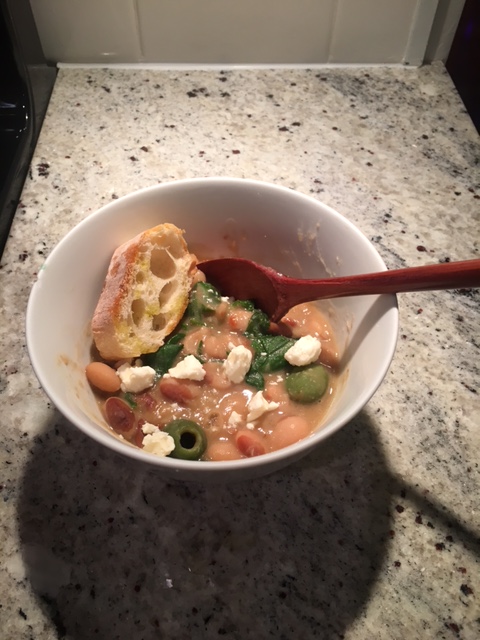
To celebrate olive day of Frimaire (and close out the month) I decided to get a jump start on a black eyed pea recipe for Gregorian New Year’s. I found a recipe that also uses olives – the vegetable we are celebrating on 29 Frimaire. Wikipedia has a couple of possible explanations for the superstition, including one that I’m choosing to believe: the beans swell considerably when cooked, symbolizing prosperity. None of this relates to olives, I know.

Black Eyed Peas with Olives 

1 head of garlic

1 medium onion, chopped

1 small fennel bulb, chopped

1 lemon, zested and juiced

3/4 tsp crushed red pepper flakes

2 bay leaves

2 cups black eyed peas

1/4 cup feta

4 sprigs of basil

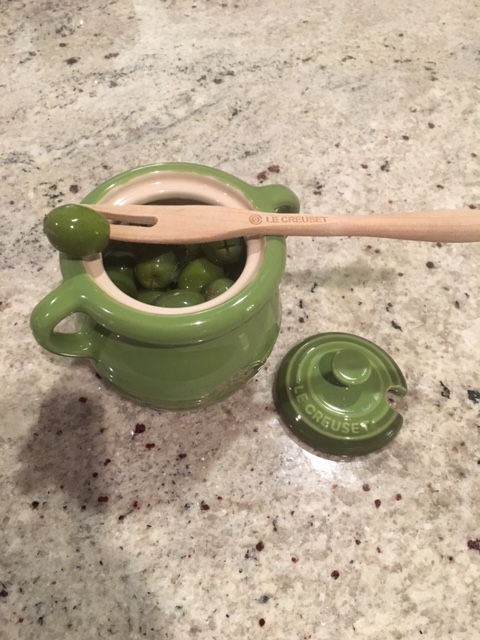
1 cup castelvetrano olives, chopped

1 large bunch of kale

couple slices of hearty bread

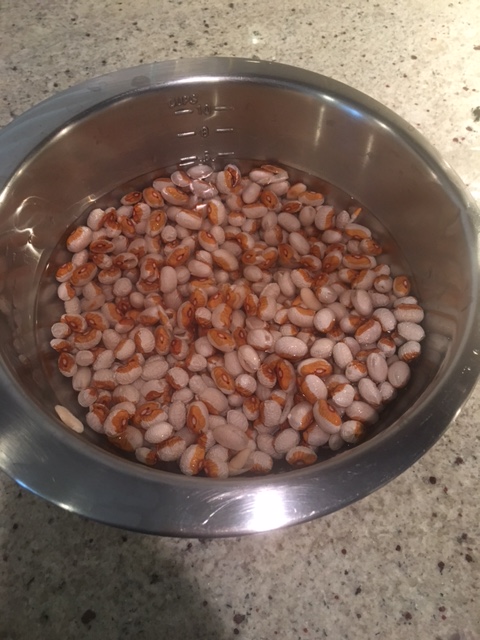
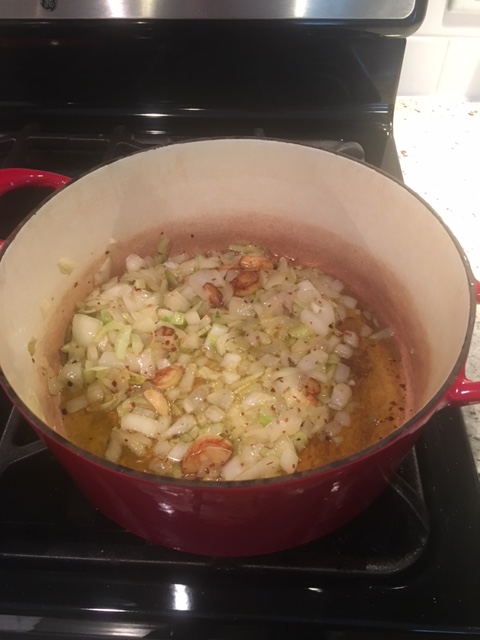
First, soak the beans overnight, or for a few hours prior to cooking. Peel and smash the garlic. In a large Dutch oven, heat 4 teaspoons of olive oil at medium. Cook the garlic for about 5 minutes, until golden brown. Add the onion and fennel and some salt. Cook for about 10 minutes and then add the lemon zest, 3/4 teaspoon of red pepper flakes. In about 3 minutes, add the bay leaves, beans, a teaspoon of salt and 8 cups of water. Bring to a simmer and then partially cover the pot. Cook at a simmer for an hour, or until the beans are tender.

Add the basil and the olives and then add the kale and cook for 5 minutes. Add the lemon juice and salt to taste. Remove the bay leaves.

Slice the bread and drizzle with olive oil and season with salt. Cook under the broiler until golden brown. Add some feta to the beans before serving and enjoy!

img_1652img_1654img_1655img_1656

Hot Toddy

Just as we are about to begin the new year in a Gregorian sense, the Jacobins are beginning the month of Nivôse – Snowy. Back when I began this recipe blog, I gave future months a quick glance to see if creating recipes for most days in a month was a possibility. Turns out, I definitely skipped over Nivôse in that preparatory stage. Every other month of the 10-month year celebrates an array of animals, agricultural tools, fruits and vegetables. Nivôse is dedicated nearly solely to minerals. Fabre d’Egalitine (via Wikipedia) puts it this way:

As the calendar is something that we use so often, we must take advantage of this frequency of use to put elementary notions of agriculture before the people — to show the richness of nature, to make them love the fields, and to methodically show them the order of the influences of the heavens and of the products of the earth.

[…]

So we have arranged in the column of each month, the names of the real treasures of the rural economy. The grains, the pastures, the trees, the roots, the flowers, the fruits, the plants are arranged in the calendar, in such a way that the place and the day of the month that each product occupies is precisely the season and the day that Nature presents it to us.

So, it certainly makes a great deal of sense that late December/ most of January could not be filled with flora and fauna. Even the animals of this month are the least edible (in my opinion): dog, rabbit and cat. As such, I’ve decided to take much more creative license than previous months in coming up with recipes to honor and celebrate the items of the month of Nivôse. Today, 1 Nivôse, is Peat Day. I’m choosing to focus on peaty Scotch and have used a little bit of it in a hot Scotch cocktail. I did not know until preparing this very post that the peat flavor in Scotch comes from drying the barley over peat fires. Please note: I know nothing about Scotch that doesn’t come from Outlander or this Nick Offerman music video (bonus: several scenes with peat!)

So, stay tuned to see how tangentially I can link recipes to various minerals this month!

Hot Toddy 

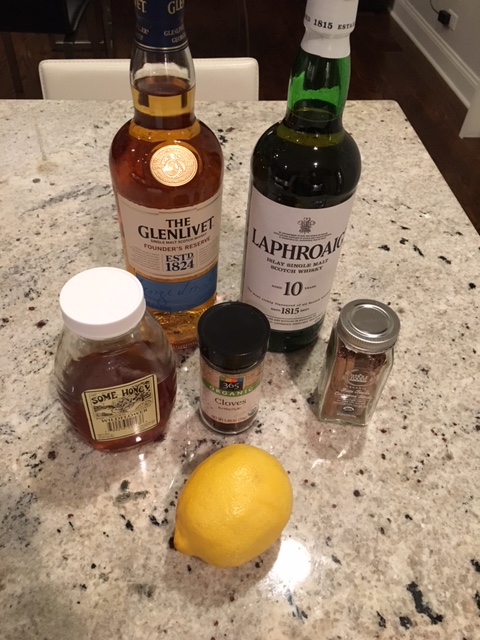
1/2 ounce of a peaty Scotch (I used Laphroaig 10 year)

2 ounces of a not peaty Scotch (I used Glenlivet)

1 tsp honey

2 cloves

1 cinnamon stick

1 lemon slice

as much hot water as you would like

First, set some water to boil. Then, put the honey in your glass and pour the hot water over it, mixing to dissolve. Then, add the Scotches, cloves, cinnamon stick and lemon slice. Enjoy!
img_1667img_1669