Tumeric Chicken 

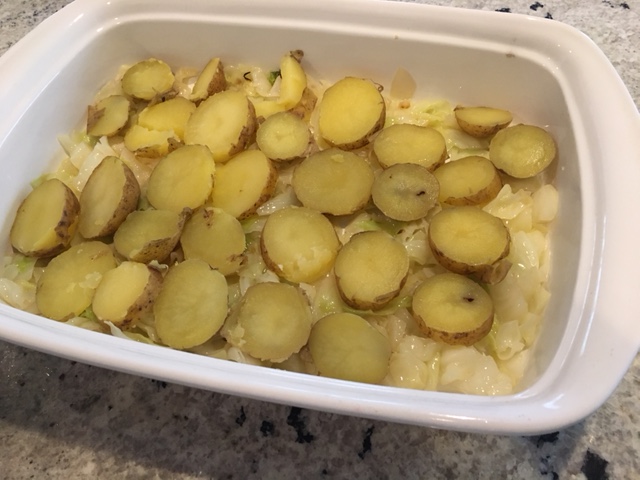
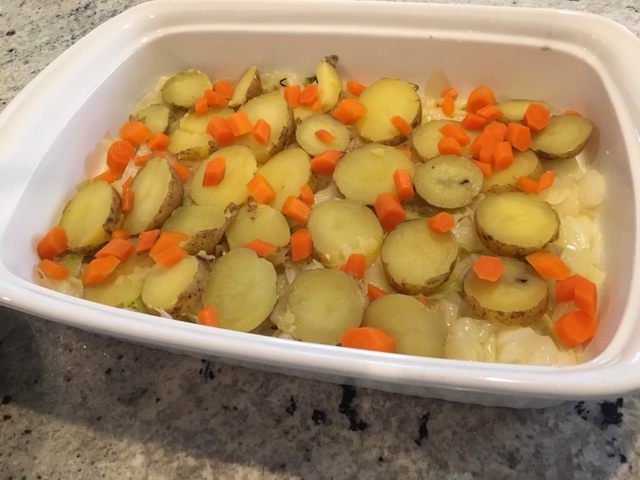
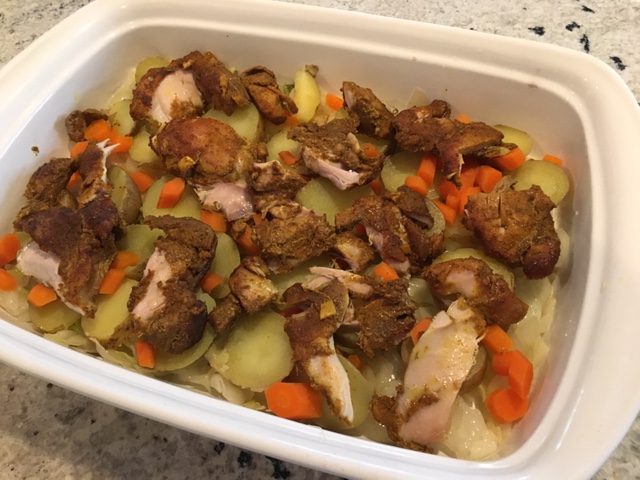
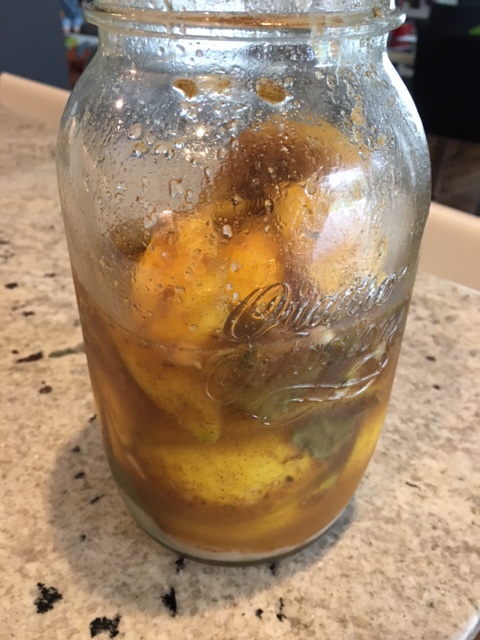
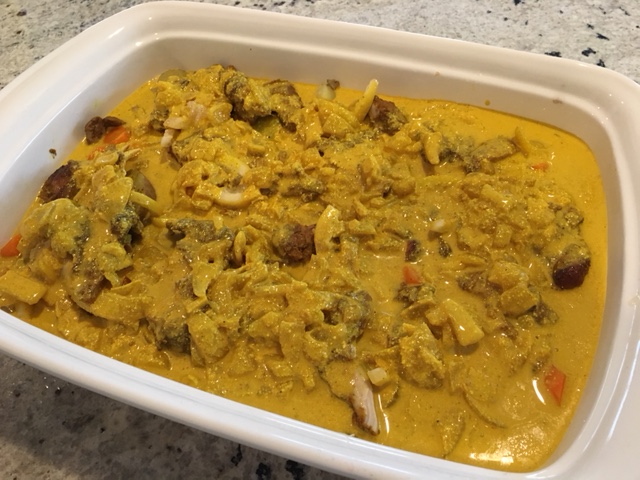
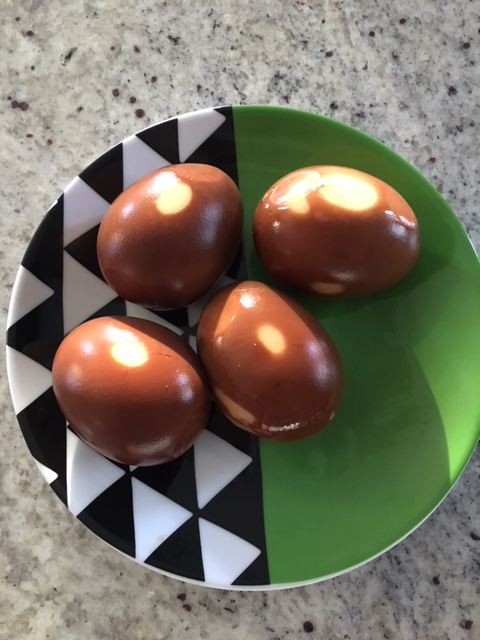
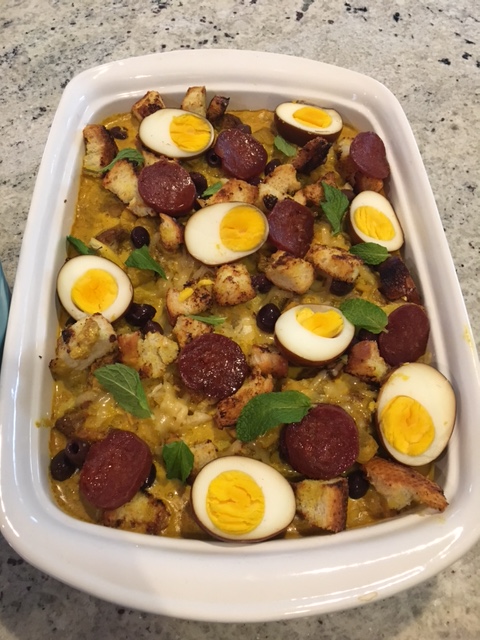
Mes Gentilhommes, today on 5 Germinal, we celebrate the hen. I decided to stretch and attempt one of the more seemingly challenging recipes from the Fat Rice cookbook, Po Kok Gai, a Macanese chicken curry.  Po Kok Gai was a beast of a dish and we ate it for days (happily). The dish includes: tumeric chicken (galinha bafassa), coconut curry, cooked vegetables (onions, green cabbage, carrots), pickled lemon, chicken fat croutons, cheese, chorizo, black olives and tea eggs. The tumeric chicken was but one small component of a dish that took me several days, and trips to the grocery store, to wrangle. I’m going to post just about the chicken element which was delicious in its own right. My apologies to Fat Rice for not using the exact ingredients recommended in the recipe – I’ve used regular grocery store rice wine, curry powder and vinegar rather than Shaoxing rice wine, sweet curry and Filipino cane vinegar. I vow to acquire these on my next trip to Seafood City.

Galinha Bafassa / Tumeric Chicken 

1 inch piece of ginger, thinly sliced

4 green onions, sliced

3/4 cup of rice wine

2 tsp of curry powder

1 tbs ground tumeric

1 tbs rice wine vinegar

1 1/2 tsp salt

3 lbs bone in, skin-on chicken thighs

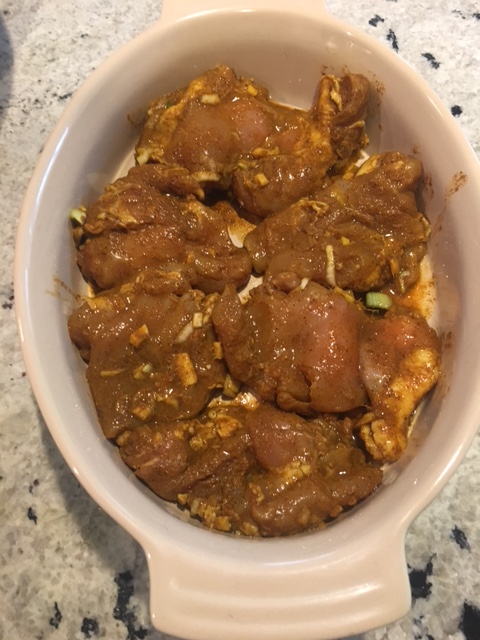
Add together all the ingredients, except chicken, in a gallon-sized zip lock bag. Mix together a bit. Add the chicken and squish it around to make sure it’s covered with the marinade. Refrigerate overnight.

Set the oven to 350. Remove the chicken from the marinade and shake off any liquid remaining. Place skin side up in a baking dish just big enough to hold all the pieces. Add enough water to the dish so that the water comes up a third of the way of the chicken pieces. Bake, uncovered, for about 45 minutes. Remove the chicken and refrigerate the liquid, reserving the chicken fat for chicken fat croutons. Serve with coconut rice and enjoy!
IMG_1877IMG_1879IMG_1880IMG_1881IMG_1882IMG_1883IMG_1885IMG_1891IMG_1893IMG_1895

Asparagus Soup

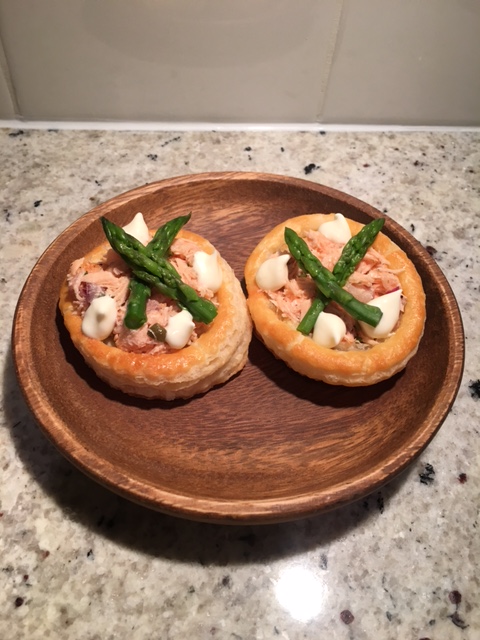
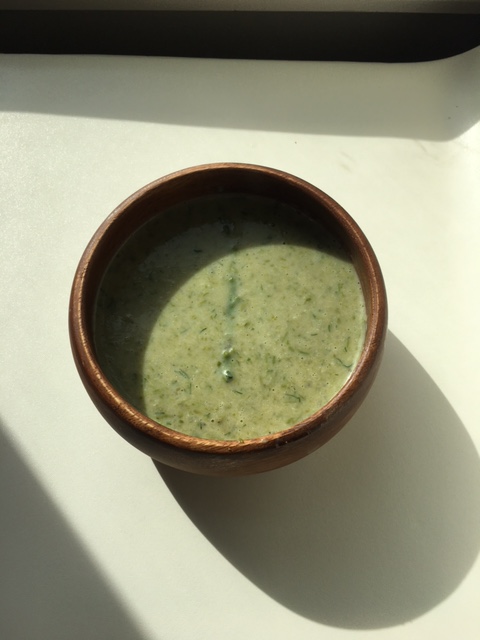
Mes amis, we have entered the month of Germinal! Germination month will provide us with a king’s ransom of delightful spring ingredients. First on the list is: asparagus. My initial thought on this was to take inspiration from Carême and make vol-au-vents. Carême claims to have invented these puff pastries that act as little cups for savory or sweet fillings. After reading Cooking for Kings and seeing the many recipes and menus that included vol-au-vents, I attempted to make some as a weekend project. My plan was to fill them with salmon, asparagus and creme fraiche. As you can see, they failed to rise, so I decided to go with something more direct – asparagus soup.

IMG_1828

I’ve taken inspiration from Mollie Katzen‘s Cream of Asparagus soup in Moosewood, but subbed veggie stock for water and upped the amount of butter.

Asparagus Soup 

2 lbs asparagus

4 tbs butter

1 medium onion, chopped

3 tbs of flour

2 cups vegetable stock

2 cups warm whole milk

2 tbs fresh dill

Heat the butter in a large pot and add the onion. Cook for 5 minutes, until onion is translucent. Chop the bottom inch off the asparagus and discard. Cut the remaining asparagus into two inch pieces and save some of the tips. Add the asparagus to the onions and continue to cook for another 5 minutes. Then, add two tablespoons of flour and mix together. Continue to cook for another 5 minutes. Add the stock and bring to a boil and then reduce to a simmer. Add the last tablespoon of flour and continue to cook. Puree the soup in a blender or food processor and add salt and pepper to taste. Put the puree back in the pot and add the milk. Bring to a simmer and mix well. Add reserved asparagus tips and enjoy!
IMG_1829

Dandelion Greens

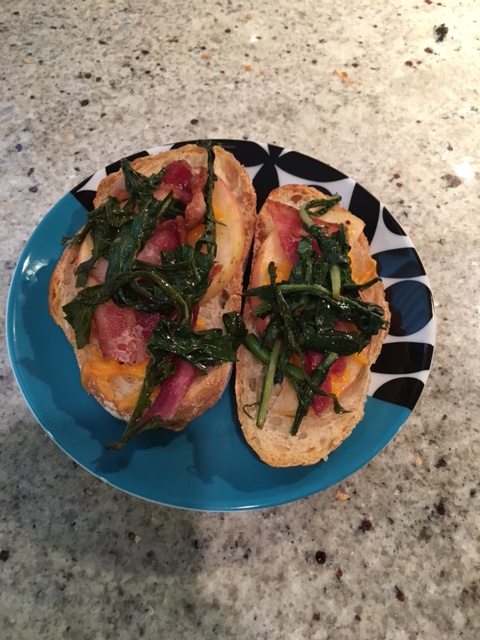
Today brings us dandelions. We are skipping over daisies and scurvy grass (high in vitamin c, was eaten by sailors to combat scurvy). Sadly, we’re not quite at dandelion weather around here, but the grocery store did have some dandelion greens. Dandelion comes from the french dents de lion, or lion’s teeth. They are quite bitter, even when cooked, so I’ve decided to adapt an Anne Burrel recipe and make crostadas.

Dandelion Crustadas 

1 loaf of crusty bread

3 strips of bacon

Cheddar cheese

1 honeycrisp apple

1 clove garlic

2 cups dandelion greens

First, slice the bread and arrange on a baking sheet and bake for 10-15 minutes at a low temperature. Fry up your bacon until crispy, but don’t throw away all the bacon grease. Grate about a half cup of cheddar cheese and slice your apples thinly. Wash the dandelion greens and in a pan, heat up about a tablespoon of olive oil. Fry the garlic for a minute and then add the dandelion greens. Cook until wilted. Take the bread out of the oven and then place some apple slices on each piece and cover with grated cheese. Increase the oven temperature to 400 and cook the cheese slices until the cheese has melted. Remove, top with bacon and greens. Enjoy!

IMG_1823

Niçoise Salad

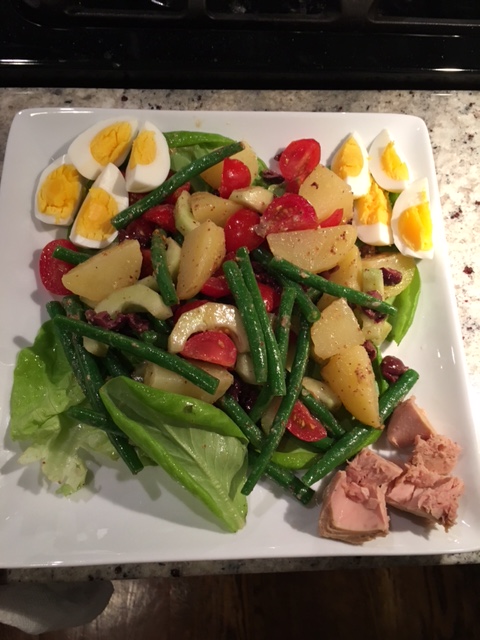
Today we celebrate tuna! 25 Ventôse gives us an abundance of choices, but I’ve decided to go with Escoffier’s version of Salade Niçoise. Natives of Nice insist the salad must not contain any cooked vegetables. A former mayor of Nice who went on to write a cookbook stated, “never, never, I beg you, include boiled potato or any other boiled vegetable in your salade niçoise.” So, potatoes and blanched green beans would be out. The original version did not contain tuna either, but it seems that tuna or anchovies are allowable today. I’ve gone with the less authentic version and have boiled my beans and added potatoes – à la Escoffier.

Salade Niçoise 

2 boiled eggs

20 green beans, ends chopped off

1 head of butter lettuce

1 small cucumber, seeded

5 cherry tomatoes, halved or quartered

1 can of high quality lean tuna

1/4 cup of niçoise olives, chopped

A few fingerling potatoes or 2 yukon gold

2 cloves of garlic

1 lemon, juiced

1 tsp dijon mustard

First, heat up three pots of water – one will be for the eggs, the other to blanch the green beans. Once boiling, add the potatoes to one pot. To the second pot, add the eggs, cover and remove from heat. Let rest for 10 minutes then remove the eggs and let them cool before cracking them. In the other pot of boiling water, cook the trimmed green beans for 3 minutes and remove them to a bowl of ice water. Once the potatoes are cooked, cool and quarter.

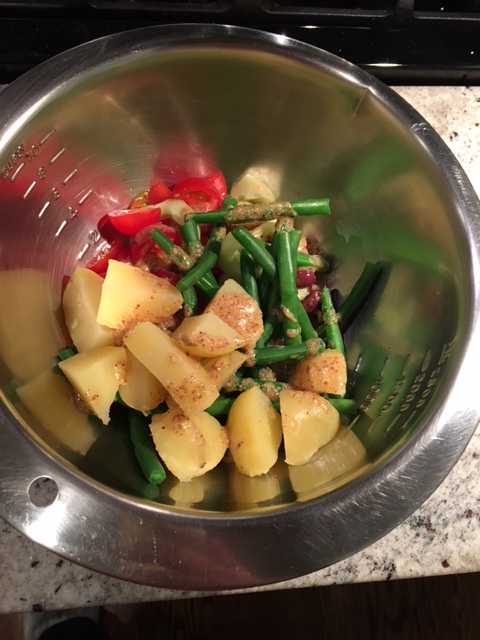
While everything is cooking, peel and seed the cucumber and then slice. Quarter the tomatoes and chop up the olives. Make a simple vinaigrette with mustard, salt, pepper, garlic, a splash of lemon juice and olive oil.

To assemble, place all the vegetables in a bowl and lightly toss with the dressing. Place on a plate or in a bowl and add the quartered eggs and the tuna. Enjoy!


IMG_1818IMG_1819


Parsley Parmesean Crackers

Mes amis,

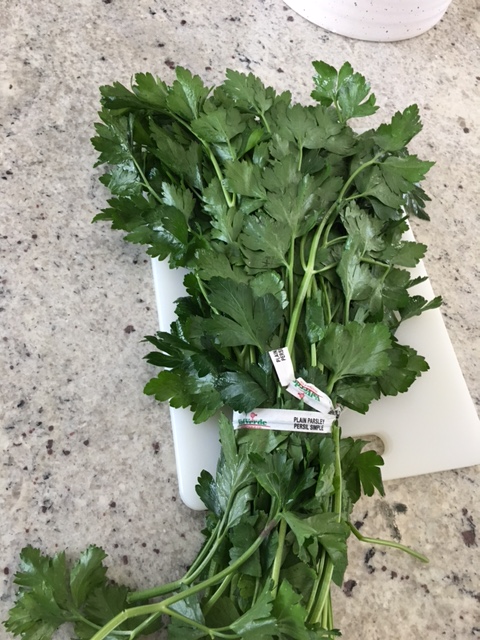
Today’s celebration of parsley was a bit difficult to hammer down. I finally settled on parsley Parmesan crackers which give you a little bit of freshness from bits of parsley in the dough. We’re skipping over twine day and mandrake day of Ventôse.

Parsley Parmesan Crackers 

1/4 cup of diced parsley

1/4 cup of grated Parmesan

2 cups flour

1 tbs sugar

1 tsp salt

2/3 cup milk

2 tbs butter

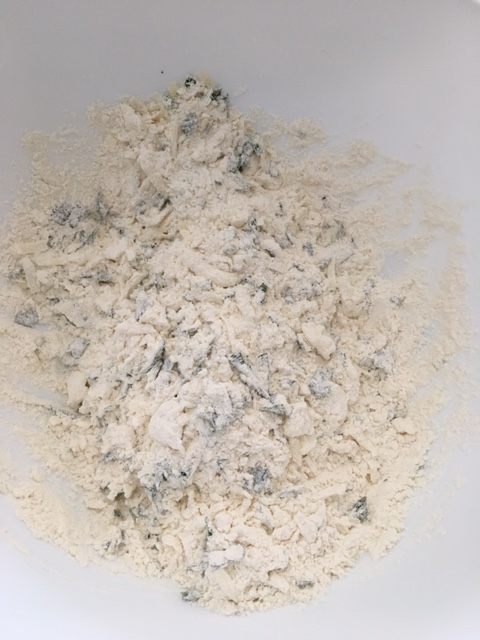
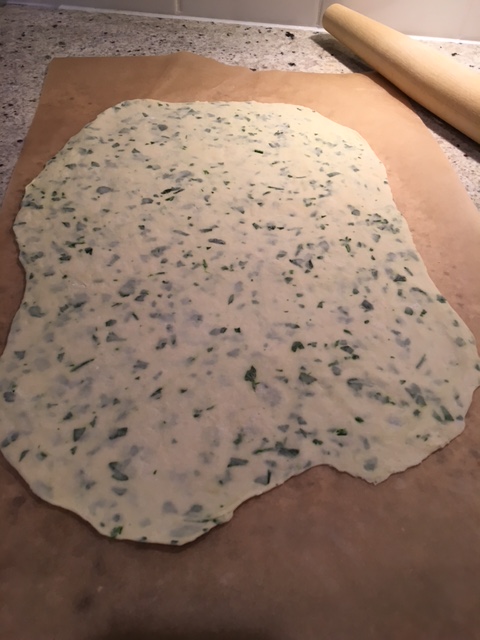
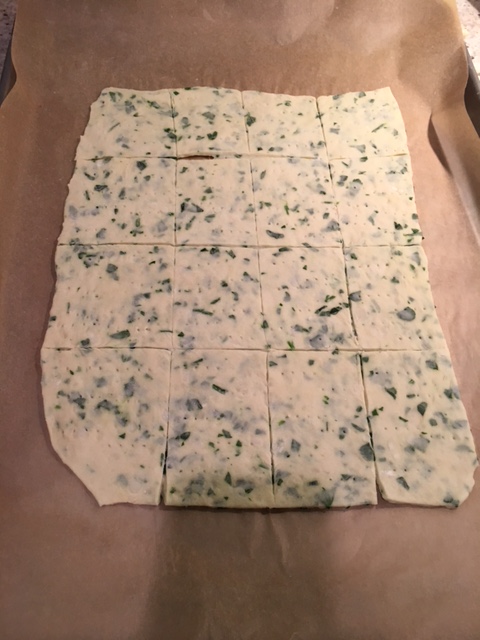
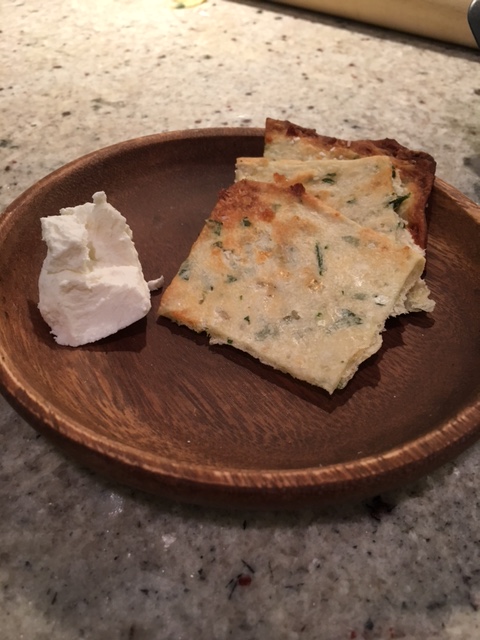
First, dice the parsley – I beat it in a food processor until it was in small bits. Add the flour, sugar and salt to a large bowl. Cut the butter into small pieces and using a pastry blender or your fingers, mix the butter until it is pea-sized in the flour. Add the parsley and Parmesan and then add the milk and mix together quickly with a fork. I kneaded the bread until all the flour was incorporated. Cut the dough in half and roll one half on parchment paper until quite thin. Cut straight edges and scour the shapes of the crackers. Poke holes in each cracker with a fork and sprinkle kosher salt over the whole thing. Bake at 450 for about 6 minutes and then flip the whole thing over and bake for another 5 or 6 minutes. Remove from the oven and let cool. Separate along the scoured lines and enjoy – I spread goat cheese on mine.

IMG_1809IMG_1810IMG_1811IMG_1812IMG_1814

Spinach Croissants

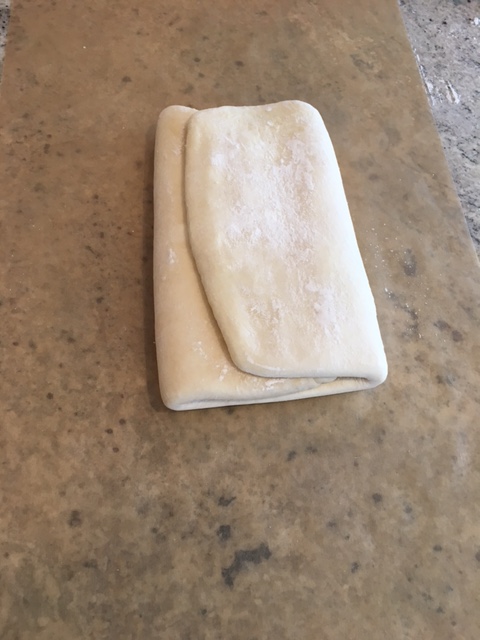
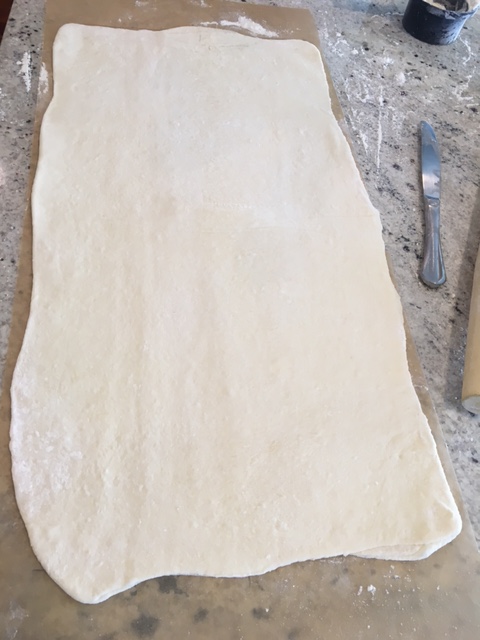
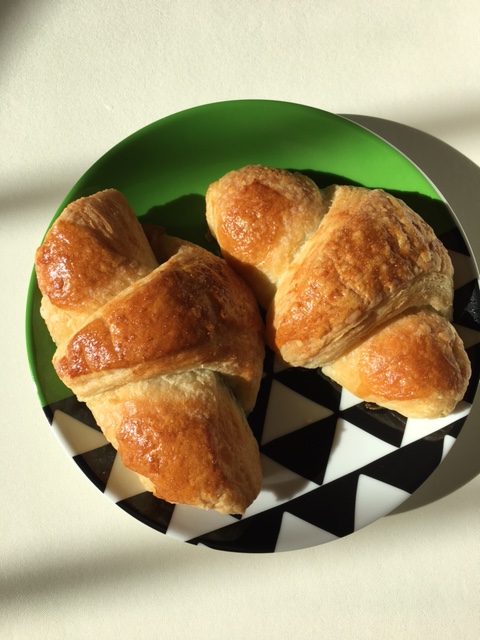
Bienvenue à spinach day! I went slightly out of order this week so that I could attempt this dish on the weekend. We’re skipping over donoricum (a yellow flowering plant) and pimpernel. To me, the highest and best use of spinach is cooked simply with olive oil and salt. So, I’m stretching myself with spinach day by making croissants and filling them with a simple spinach and mozzarella mixture. I’ve used the croissant recipe from Joy of Cooking, which is a pretty standard one. I’m not going to say they turned out perfectly, but they *were* flaky.

Spinach mixture 

1/2 an onion, finely diced

1 garlic clove, minced

2 cups spinach

salt

black pepper

nutmeg

1/4 cup of mozzarella

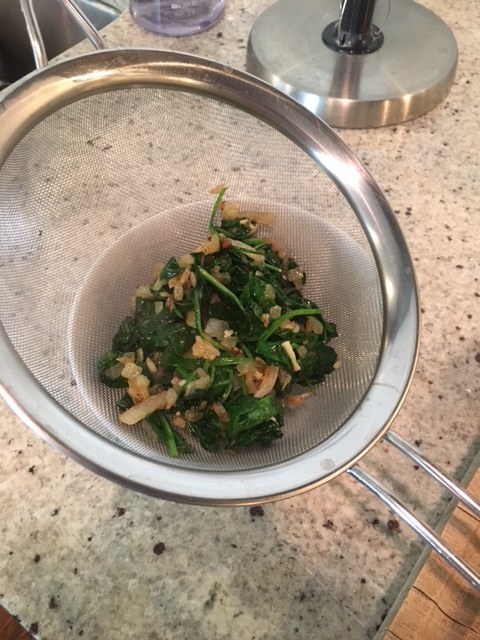
Cook the onion in olive oil for about five minutes, then add the garlic. Cook for 1 or 2 minutes more. Add the spinach and cook until wilted. Add the salt to taste along with some black pepper and a pinch of nutmeg. I placed the mixture in a strainer over a bowl to get rid of any excess moisture so that the croissants wouldn’t get too soggy. When you’ve cut out the croissant shapes, but in about a tablespoon of filling in each along with some mozzarella. Cook until golden brown and enjoy!
 

IMG_1800IMG_1801IMG_1802IMG_1803IMG_1804

Chervil Soup

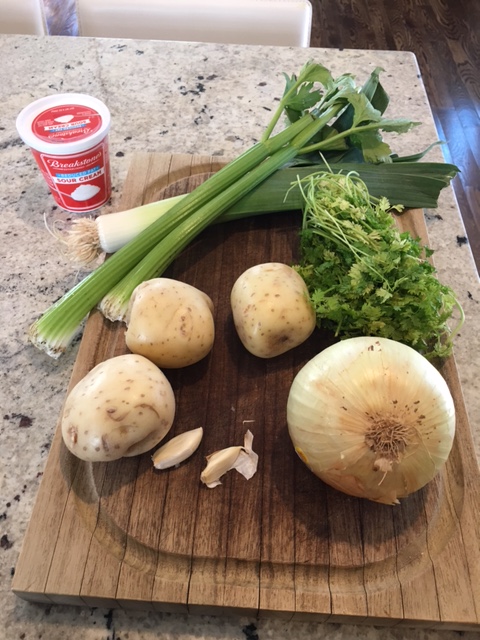
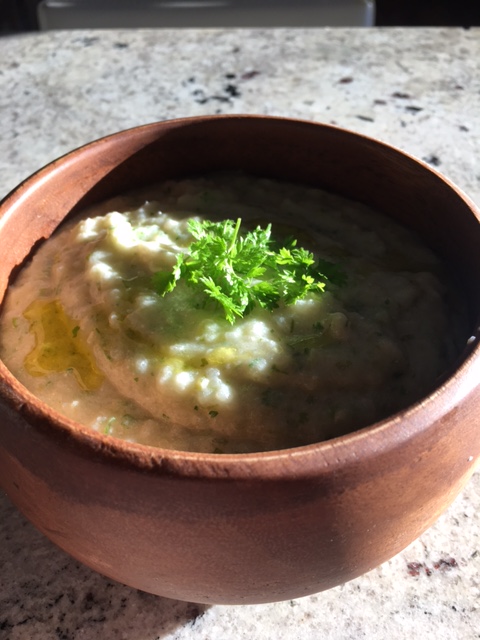
We meet the mysterious chervil today on 19 Ventôse of the French Republican Calendar. In looks, chervil is most like parsley, though probably a bit more delicate. In taste, it most resembles mild fennel or anise. I’ve decided to celebrate chervil today in soup form with a silky number from Hugh Fearnly-Whittingstall.

Chervil Soup

2 tbs butter

1 onion, chopped finely

2 cloves garlic, minced

2 medium potatoes, peeled and diced

1 medium leek, finely chopped

2 sticks of celery, diced

2 1/2 cups of chicken stock


few handfuls of chervil, reserve a few sprigs

1 cup heavy cream (I used sour cream, but I think heavy cream would be better)

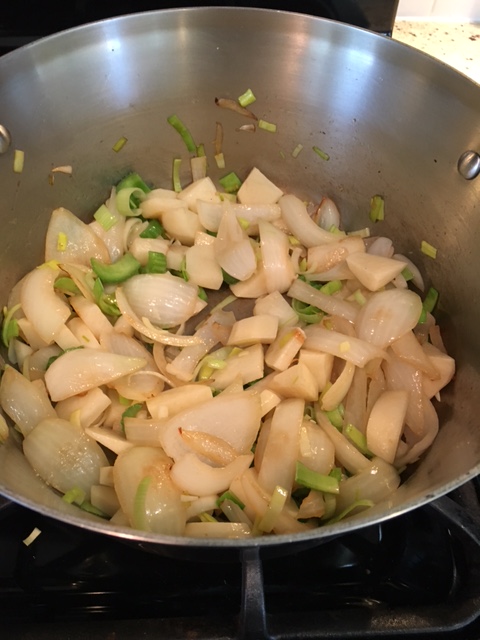
First, melt the butter in a large pan and then add the onion and cook for about 10 minutes. Add the garlic, potato, leek and celery and cook for five minutes. Add the stock, partially cover and bring to a simmer. Cook for about 20 minutes, then puree in a food processor along with the chervil. Return the mixture to the pan and add the heavy cream. Season with salt and pepper. Divide into bowls and add some olive oil and reserved chervil to garnish. Enjoy!
IMG_1793IMG_1794IMG_1795

Goat Cheese Tarts

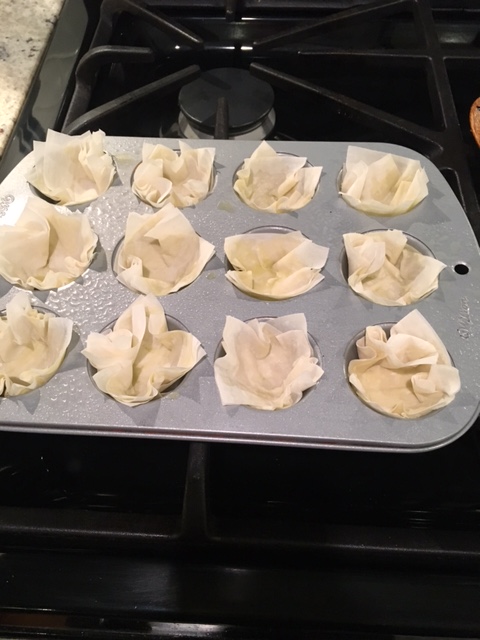
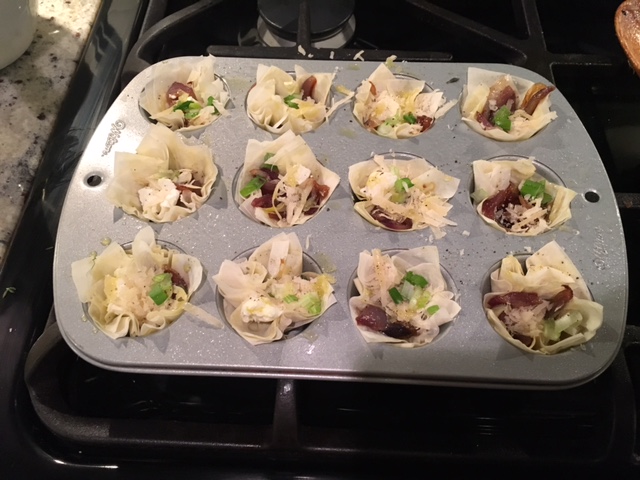
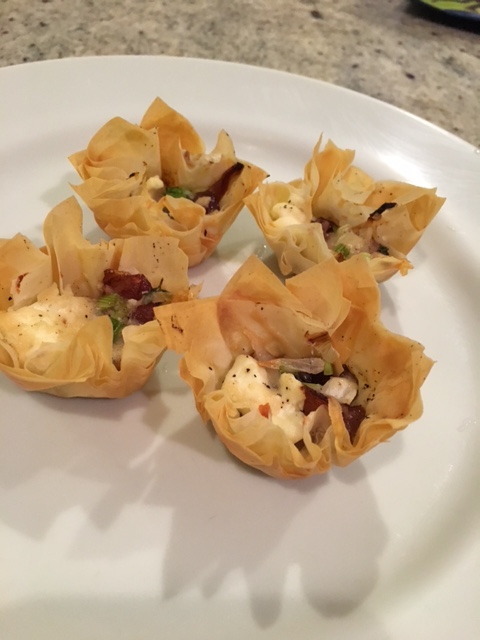
For chèvre day of Windy month, I’ve decided to go with goat cheese rather than cook goat again. From the most recent issue of Spoonful Magazine, I’ve adapted their caramelized onion goat cheese phyllo “packages.” Instead of making these in a regular sized cupcake pan, I went with minis, so they’re more of a one bite deal. Here are some pictures of baby goats in sweaters.

Goat Cheese tarts  

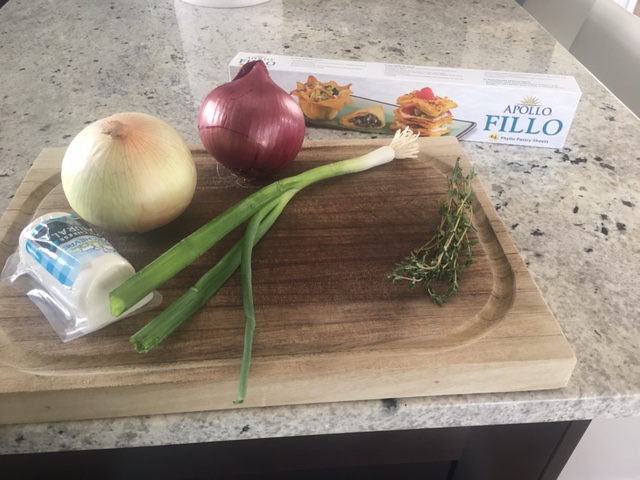
1 yellow onion

1 red onion

2 tbs butter

2 tbs olive oil

1/2 tsp salt

phyllo pastry sheets

4 oz goat cheese

2 oz grated Parmesan

several sprigs of thyme

2 scallions

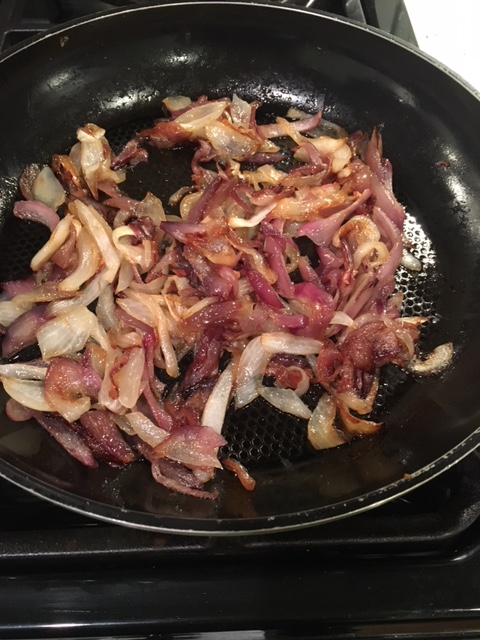
First, slice the onions and then heat the olive oil and butter in a heavy bottomed pan. Add the onions and salt and cook until caramelized – 40ish minutes. Lay out the phyllo dough package (thawed) and start cutting squares of dough about an inch bigger in diameter than your cupcake diameter. Take a stack of three squares of dough, brush olive oil over the top slice with a pastry brush and set another two slices on top, slightly askew. Heat the oven to 325.

Spray the cupcake pan with non-stick spray. Set the stacks of 5 slices of dough in each cup. Add some sliced onion, a dab of goat cheese, a sprinkling of Parmesan, some thyme leaves and crushed black pepper. Sprinkle some scallions over all the assembled tarts. Brush the edges of the dough with olive oil and bake for about 15 minutes, or until the dough is golden brown. Enjoy!
IMG_1788IMG_1789IMG_1790IMG_1791IMG_1792

Violet Meringue

Mes amis,

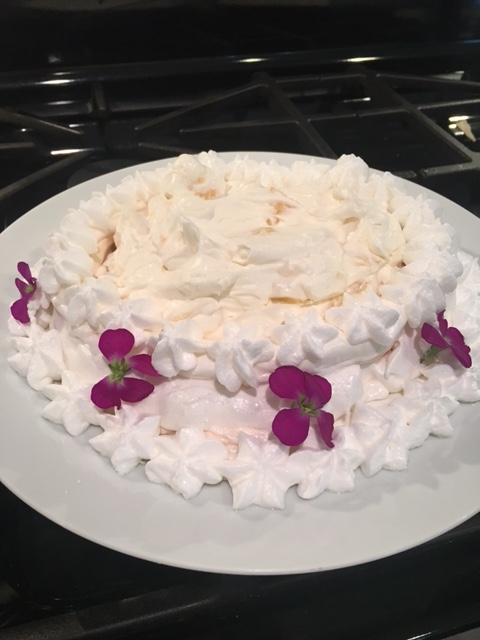
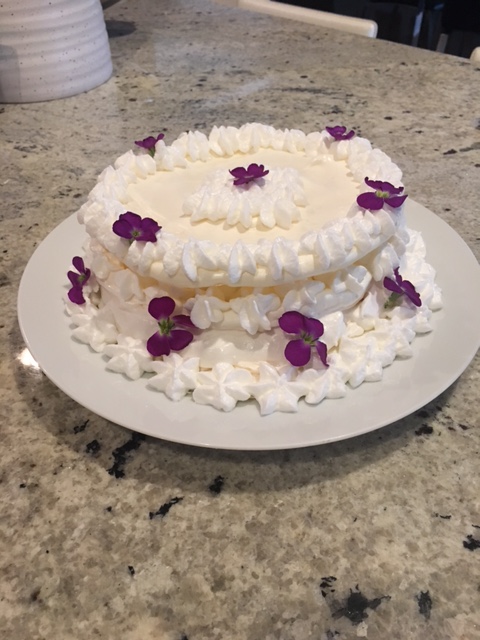
After skipping over Italian buckthorn day, 7 Ventôse, we’ve arrived at Violet Day.  I thought about making candied violets, but having just made candied ginger, I decided to go in a different direction. Both Escoffier and Larousse Gastronomique suggest violet souffles, but I don’t have a souffle dish. Instead, I went with the spanische windtorte, an austrian meringue cake.

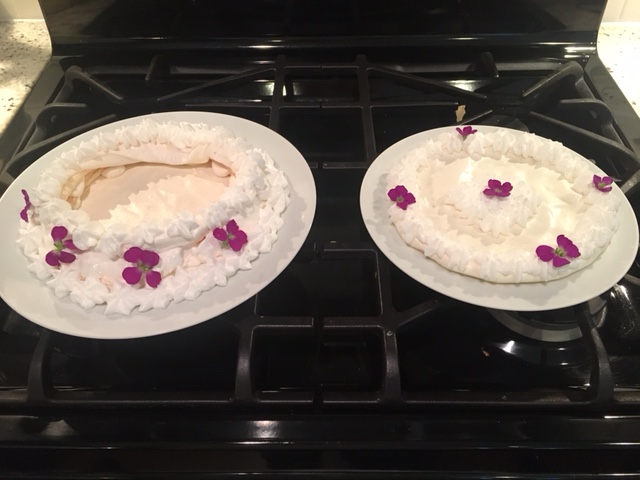
The Great British Baking show featured the windtorte in season six, so it’s a little hard to sort through Google to find information about it not related to the show. It seems to have been an Austrian confection, created during the baroque period. It was the cover picture for the Time Life Cookbook, “The Cooking of Vienna’s Empire” published in 1968. In that cookbook, in the Great British Bake Off and in nearly every photo of the cake in a Google image search, it is decorated with violets. Escoffier has an identical dish, but calls it German Meringue.

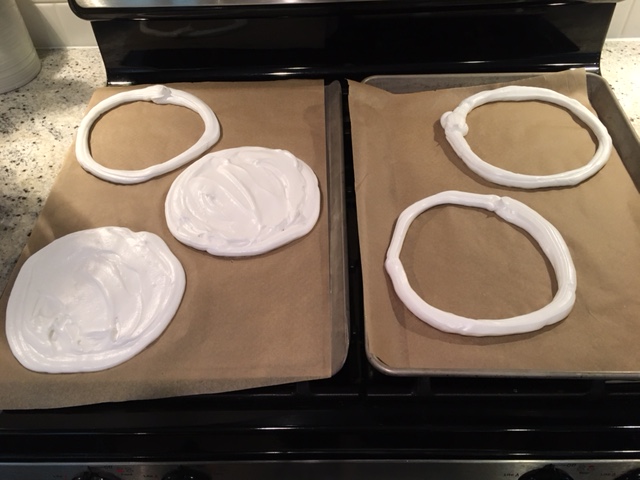
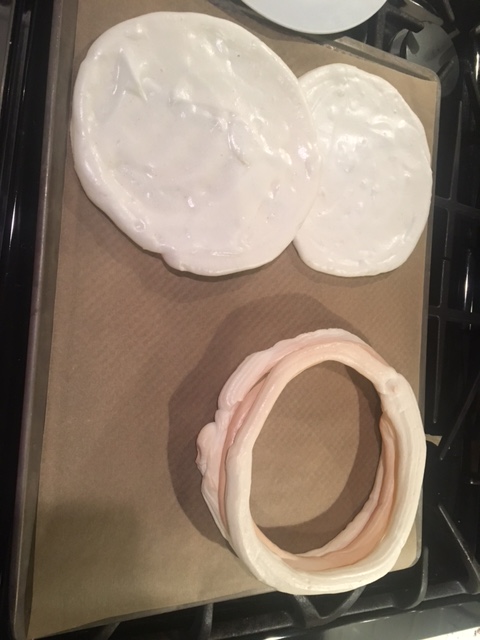
The ingredients for the torte couldn’t be simpler, but it took me many hours of baking and preparation. The end result was quite pleasing, but I think you might be better served with an Eton mess or a Pavlova. Identical taste, but much less elaborate construction. The spanische windtorte needs a top and bottom cap of meringue and several rings of meringue to make up the walls of the cake. Once those have cooked at a very low temperature for an hour, you assemble the windtorte and pipe more meringue to fill in cracks, etc. Bake again. Then, make swiss meringue on the stove and pipe on the decorations. Fill with (traditionally) raspberries or strawberries – I used pineapple – and cream and eat immediately (because it starts to fall apart).

Spanishe Windtorte / Violet Meringue 

Shell 

8 egg whites

1/2 tsp cream of tartar

2 cups sugar

Decorative Meringue 

4 egg whites

1 cup sugar

Filling 

1 cup heavy cream

1/2 cup powdered sugar

1/2 cup diced pineapple (or fruit of choice)

Heat the oven to 200 degrees. First, line two baking trays with parchment paper. Then, draw 5 circles of 7 or 8 inch diameter. I used a smallish pan lid. Whisk the eggs and cream of tartar for the shell in an electric mixer. When they form stiff peaks, slowly add in the sugar a little at a time.

Using a piping bag or ziplock with a corner cut out, pipe two full circles and three rings of meringue on the parchment. Bake for 45 minutes and then remove and let cool. When the meringues are dry, start the assembly of the shell. Place the bottom and the three rings on a serving platter that can go in the oven. Using the remaining meringue, fill in cracks between the rings and generally make the outer shell smooth. Bake again for 45 minutes. Remove and let cool.

Now, for the decorative meringue. Make a double boiler and start whisking the eggs and sugar over simmering water until the mixture reaches 160 degrees. Remove from heat and continue to whisk until stiff peaks form. Using a piping bag or Ziploc with a decorative nozzle, pipe a decorative border on the bottom and top of the shell as well as decorations on the (as yet unused) top lid.

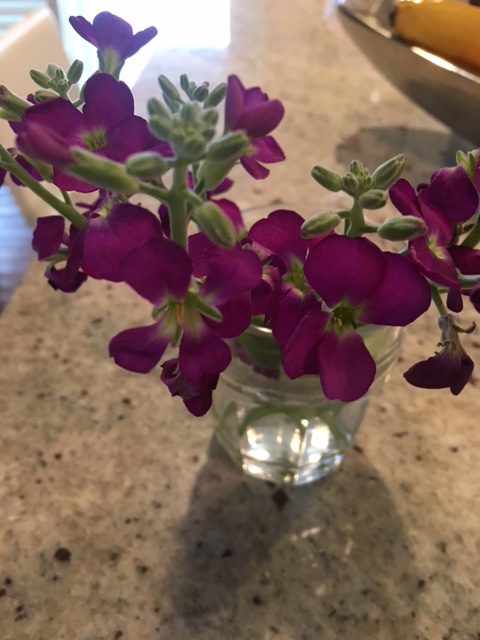
In an electric mixer, whip the heavy cream and then add the powdered sugar. Once thick, add the fruit. Gently spoon the fruit mixture into the middle of the shell and place the top on. Add violets as you see fit. Serve immediately.

img_1781img_1782img_1783img_1784img_1785img_1787

Candied Ginger

Bonsoir!

Today we celebrate wild ginger, the 6th day of Ventôse. It turns out that wild ginger is not even related to the cultivated ginger we eat nowadays and according to Wikipedia, is quite toxic.  It’s rhizome supposedly tastes similar to ginger root, so one wonders how the Jacobins were consuming wild ginger.

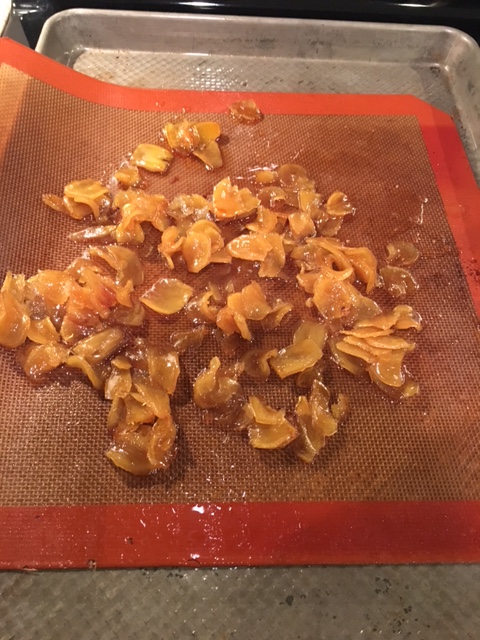
I’ve decided to use traditional ginger root and have made candied ginger. It will leave you feeling less sea-sick and is a welcome addition to ice cream, tea and trail mix. There are a bunch of recipes online, but they are all basically the same.

Candied Ginger 

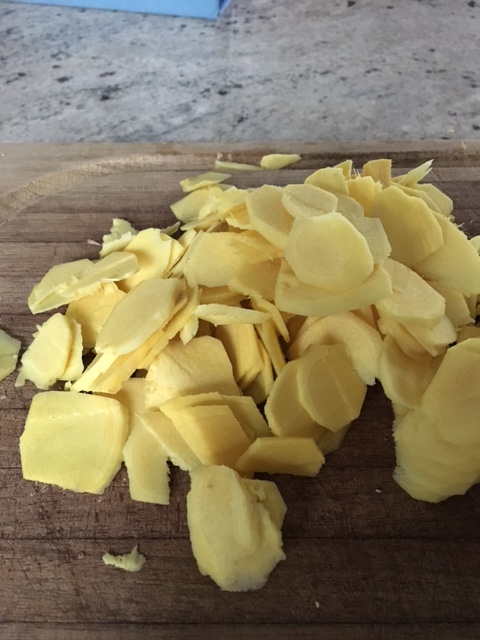
1/2 pound of peeled and sliced ginger

1/2 pound of sugar

First, peel the ginger and slice thinly, with a mandolin, perhaps. Place in a pot and cover with water. Bring to a boil and then reduce to a simmer and cover. Cook for 20 minutes, or until the ginger seems tender. Pour out the liquid, but reserve it. Back in the pot, add 1/4 cup of the ginger liquid and the sugar. Cook until the liquid seems to have evaporated. Pour out onto a baking sheet and let cool. Enjoy!
img_1767img_1768img_1769