Blueberry Blintzes

Joyeux Blueberry Day, mes amis! Today in the French Republican Calendar we celebrate bilberries, which Wikipedia tells me are:

Bilberries have a smooth, circular outline at the end opposite their point of attachment, whereas blueberries retain persistent sepals there, leaving a rough, star-shaped pattern of five flaps.

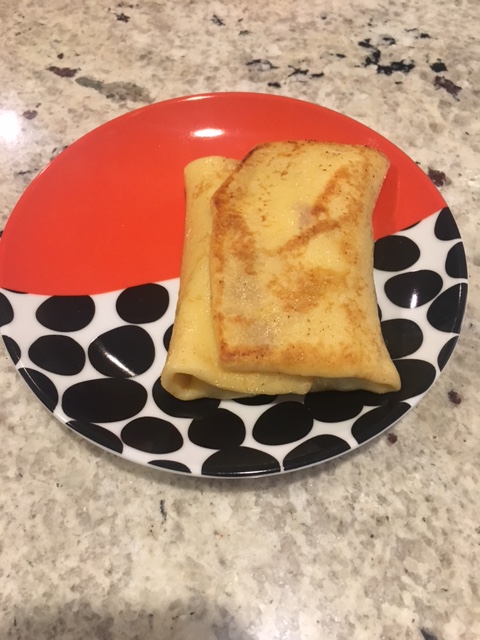
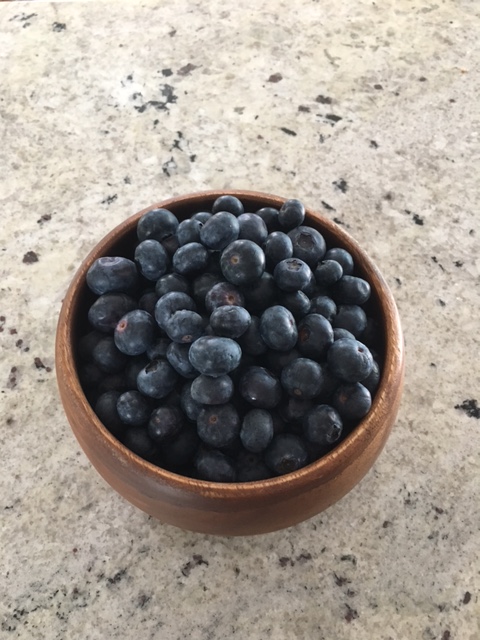
Here is a bilberry. Here is a blueberry (for comparison). I’ve decided to celebrate our American bilberry cousin by making blintzes.

Blueberry Blintzes

Crepes

3/4 cup milk

5 tbs butter, melted

2 eggs

1 cup flour

pinch of salt

Filling

2 cups blueberries

7 tbs sugar

1 tbs butter

1 tsp lemon zest

2 tbs lemon juice

1/2 tsp cornstarch

pinch of salt

First, combine all the ingredients for the crepes into a blender and mix for 30 seconds. Let the batter rest for 30 minutes (to overnight) in the fridge. You can also make the blueberry filling ahead, or make it just before you’re ready to eat blintzes.

Add the blueberries, sugar, lemon zest, salt and lemon juice to a medium pan and cook until the mixture is bubbling. Add the cornstarch and cook for a minute or two more, while the mixture is bubbling. Remove from heat and add the butter.

To cook the crepes, add a tablespoon of butter to an 8 or 9-inch pan. When hot, add about a quarter cup of crepe batter and move the pan around so that batter covers the bottom of the entire pan. Cook until the edges look dry and start to curl up. Flip the crepe and cook for 30 seconds more on the opposite side. Remove and start again.

To assemble the blintzes, put two or three tablespoons of blueberry filling in the middle of a crepe and fold the crepe like a burrito. Heat two tablespoons of butter in a pan and fry the folded blintz until it gets a little golden brown on both sides. Enjoy!
IMG_1975IMG_1976IMG_1977IMG_1978


Arugula Gimlet

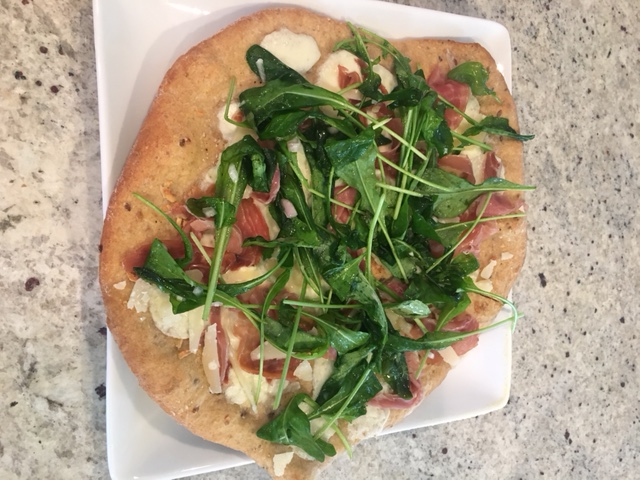
Yes, an arugula gimlet. On 24 Germinal, the French Revolutionaries celebrated arugula, and so shall we. For dinner, I made an arugula pizza, but it was so simple it hardly merits a post. Here is a picture instead:

IMG_1945

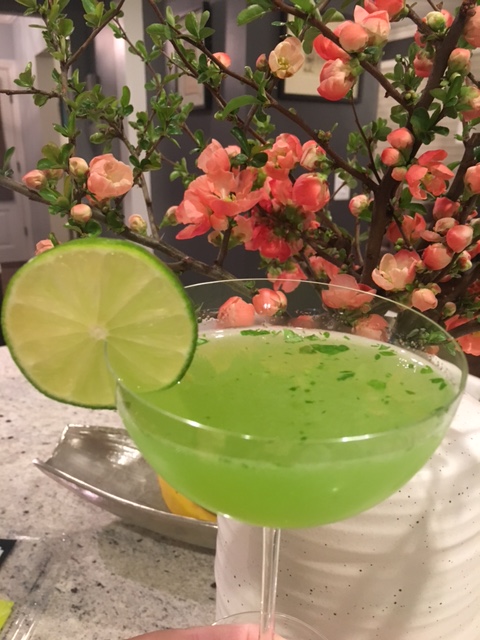
So, to be a little crazy, I decided to make an arugula cocktail with the remaining leaves. It was surprisingly enjoyable! The leaves are shaken together with the ice and other ingredients and makes the liquid turn bright green. It also gives the drink a slight, but welcome spicyness.

Arugula Gimlet 

2 ounces gin

1 ounce fresh lime juice

1/2 ounce simple syrup

1 cup arugula

Combine all the ingredients in a cocktail shaker with a lot of ice. Shake for about 20 seconds and strain. Enjoy!

IMG_1947

Romaine and Pecan Salad

Happy Romaine day! Today, 22 Germinal, we celebrate romaine. We’ve skipped over Judas Tree – so named because it was either a corruption of abre de Judée, or thought to be the kind of tree that Judas hanged himself.

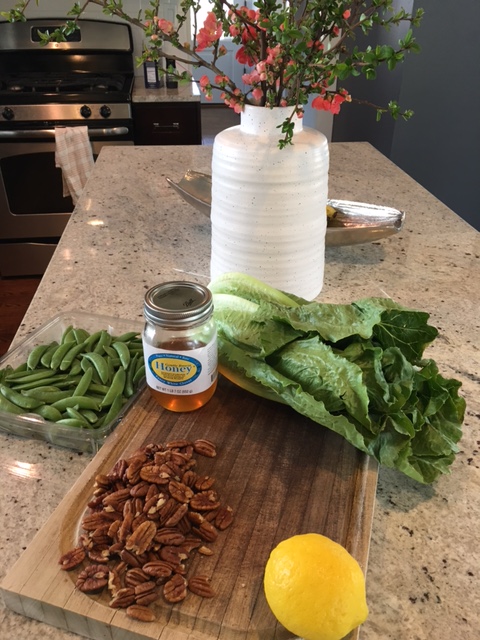
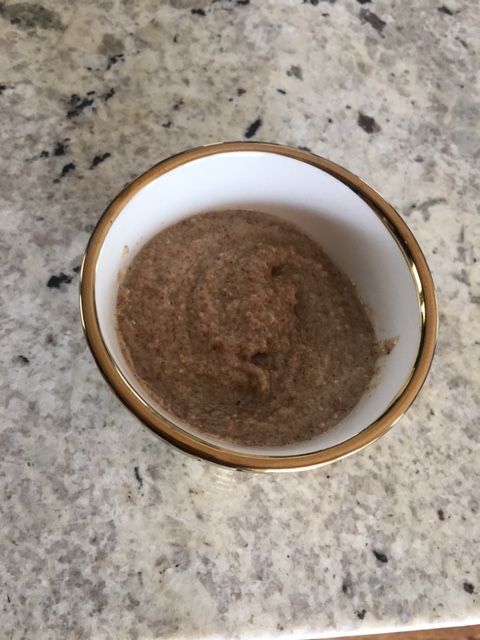
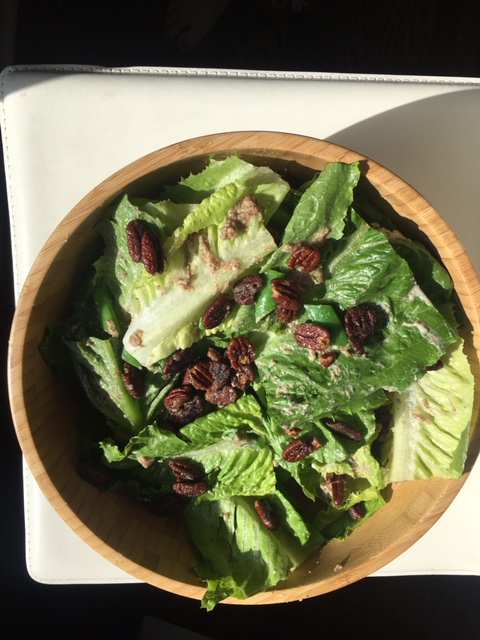
We’re taking it relatively easy with a romaine salad today. From a Bon Apetit recipe, some pecans are processed to make a nut butter that becomes the base of the dressing. I cut the recipe in half and it still made a ton of salad.

Romaine and Pecan Salad

1 cup pecans

1 tbs butter

fresh lemon juice

1/2 tsp honey

1 cup sugar snap peas

1 large romaine heart

Heat the oven to 350 and start boiling a pot of salted water. Toss half of the pecans with melted butter and salt to taste. Bake them in an oven until toasty – for me, about 5 minutes. Put the other half of the pecans in a food processor and blend until smooth. Add in a tablespoon of lemon juice, the honey, a tablespoon of olive oil, salt and pepper. Blend until well mixed.

Once the pot of water is boiling, cook the peas until they turn bright green – 2-3 minutes. Remove them to an ice bath and when cool, trim the ends and remove the strings. Cut them into 1/2 inch pieces. Cut the romaine leaves in half. Toss the romaine, peas and dressing together and top with the roasted pecans. Enjoy!
 

IMG_1940IMG_1941IMG_1942

Bee Sting Cake

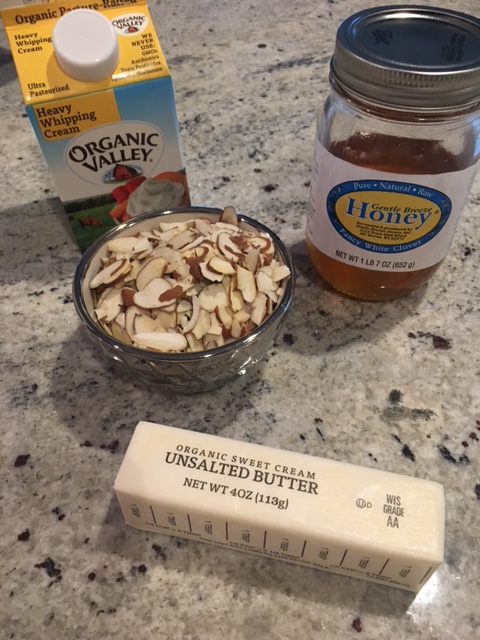
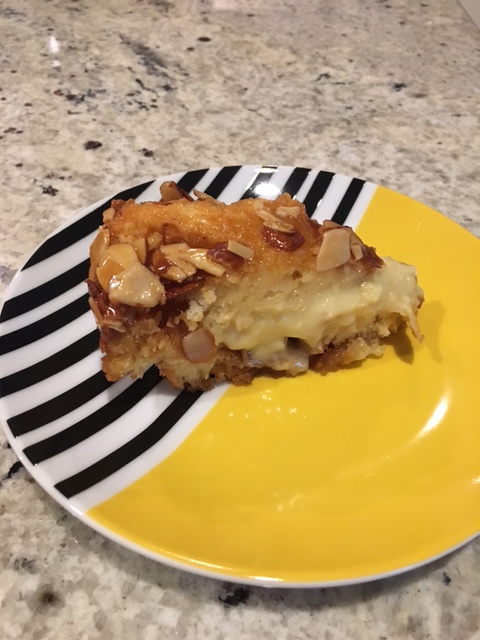
Today is hive day of Germination month in the French Republican Calendar. We’re building off of Honey Butterscotch Sauce and making Smitten Kitchen‘s version of Bee Sting Cake. The cake is a traditional German cake (bienenstich) that has a touch of honey in the caramalized topping. According to Wikipedia, the name of the cake may have come from the hint of honey in the icing OR the much more likely story of:

Another source cites a legend of German bakers from the 15th century who lobbed beehives at raiders from a neighboring village, successfully repelling them, and celebrated later by baking a version of this cake named after their efforts.

Perfect recipe for hive day!

I love Deb and I love Smitten Kitchen and her version of this cake is very delicious. I would absolutely make it again. Unlike, say, radish leaf soup. Having just made the honey butterscotch, I adapted her recipe a bit and caramelized the topping before applying it to the cake.

Bee Sting Cake 

Cake

2 1/4 tsp of instant yeast

3/4 cup milk

1/4 cup sugar

2 cups flour

3/4 tsp salt

2 eggs

4 tbs butter

Topping

6 tbs butter

1/3 cup sugar

3 tbs honey

2 tbs heavy cream

1 1/2 cup sliced almonds

Filling

1 cup milk

1 tsp vanilla extract

3 egg yolks

1/4 cup sugar

3 tbs cornstarch

2 tbs butter

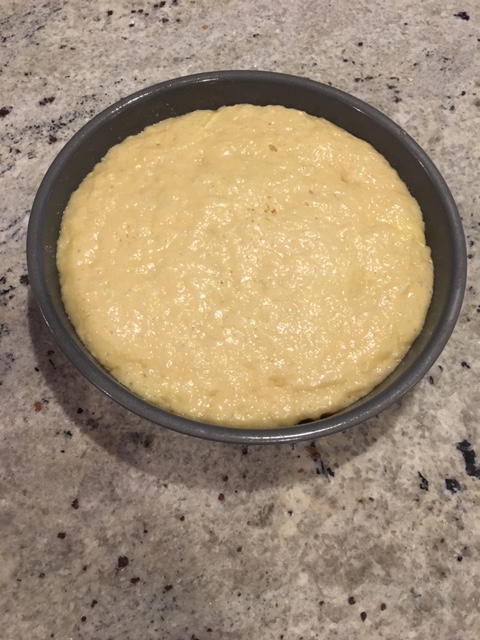
First, the cake. Mix the cake ingredients until combined. Then cover tightly (in the same bowl you mixed it in) with plastic wrap and let it rise for an hour in a warm place. Prepare a 9-inch round cake pan with spray or butter and lined with parchment paper. After the first proof, pour the cake batter into the prepared pan and cover with plastic wrap. Let rise for the second proof for a half hour.

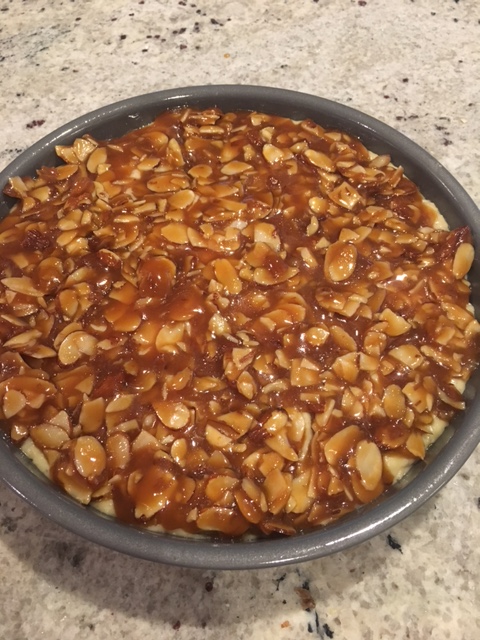
While the cake is on its second rise, heat the sugar and honey for the topping. Heat on medium for several minutes until all the sugar melts. Continue heating until the large, glassy bubbles turn smaller and the mixture gets darker and starts to smoke a bit. Remove from heat and carefully add in the heavy cream and mix until combined. Add the butter and salt and mix. Then, add in the almonds. Heat the oven to 350.

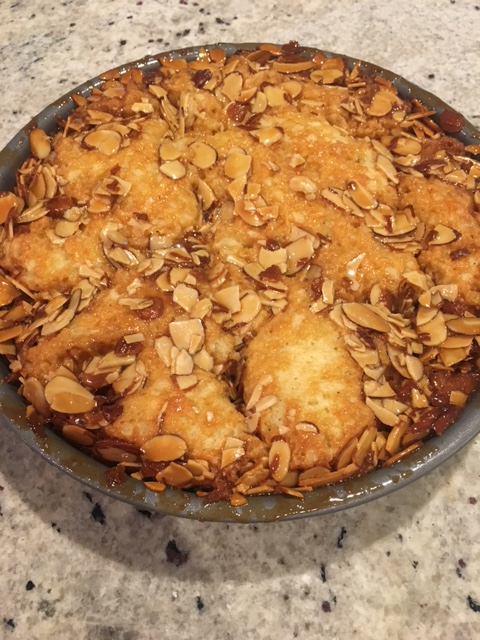
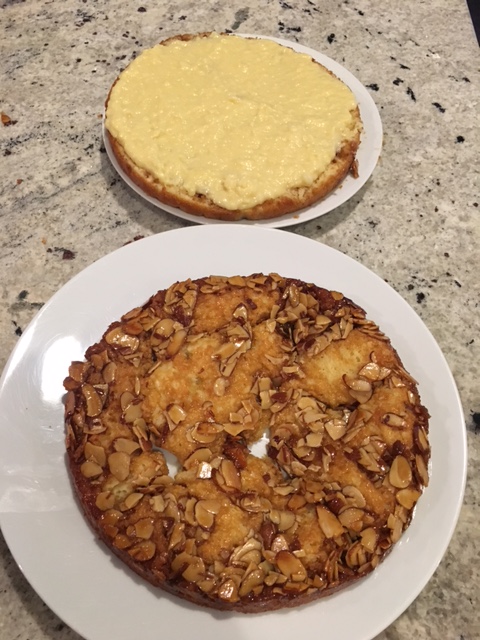
When a little cooler, add the topping to the top of the cake batter carefully. Bake the cake for about 20 minutes, until a tester comes out clean. Let the cake cool, remove from pan and cool completely on a rack. Slice the cake into two layers.

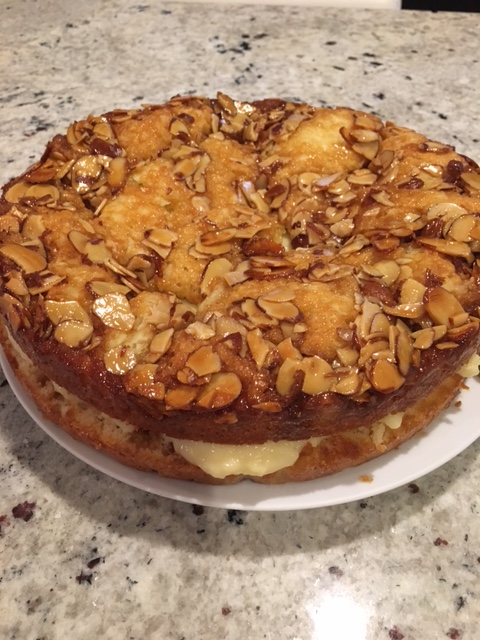
To make the creme patissiere, heat the milk in a medium pan until warm. In a bowl, whisk the yolks and sugar together. Add the cornstarch and mix until smooth. Slowly temper in the warmed milk into the yolk mixture and then pour all into the medium pan. Heat on medium until it starts to bubble and then cook for a minute or two more. Remove from heat and add the butter and vanilla. Cool the filling completely before spreading it on the cake. Enjoy!
 

IMG_1923IMG_1924IMG_1925IMG_1926IMG_1927IMG_1928IMG_1929

Radish Leaf Soup

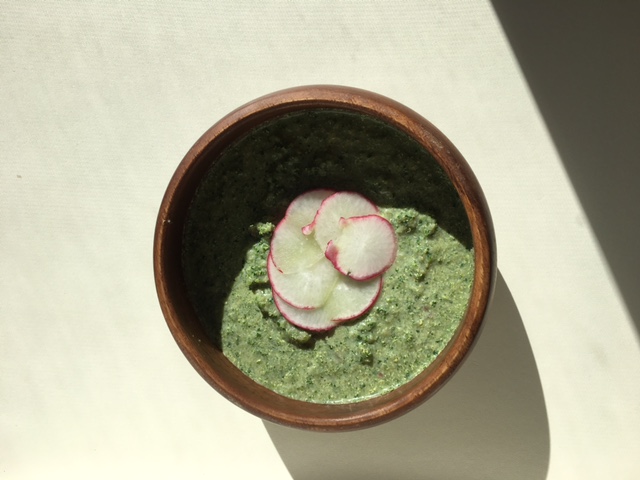
We’re skipping over the larch tree and hemlock to get to radish day of Germinal. Hitting up Hugh Fearnley-Whittingstall again. This one, like lettuce risotto, is a little crazy. Using every bit of the radish, I’ve made a thrifty radish leaf soup.

Radish Leaf Soup 

1/2 an onion

1 carrot

1 stick of celery

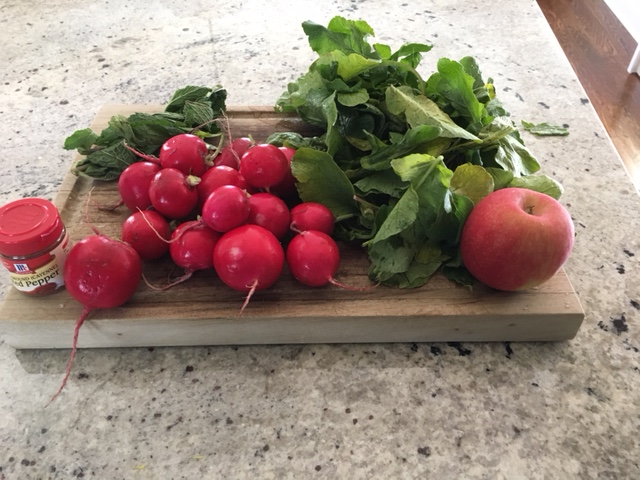
leaves from 20 radishes

2 reserved radishes

12 mint leaves

1 small apple, pealed, cored and sliced

2 tbs of heavy cream

cayenne pepper

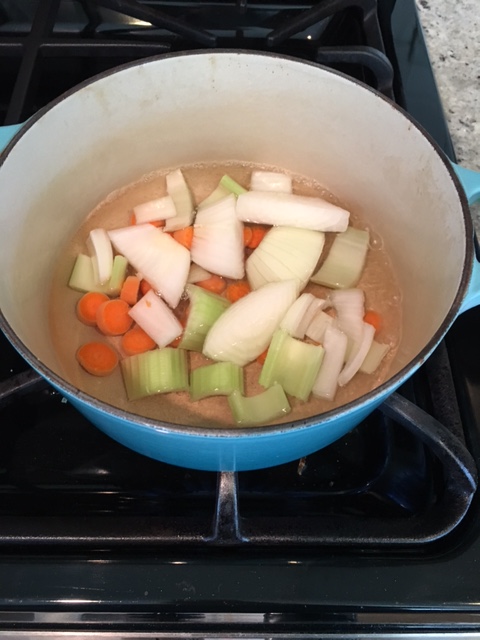
First, make a quick vegetable stock by heating 1 cup of water with the onion, carrot and celery (all roughly chopped). Bring to a simmer and cook for 20 minutes. Bring a separate pot of water to a boil and blanch the radish and mint leaves. Blanch only for a minute or two and reserve. In a blender or food processor, put the blanched leaves, the apple, the vegetable stock. Puree until smooth and the add the heavy cream, salt and pepper and cayenne to taste. Slice the reserved radish for decoration. Enjoy!
IMG_1931IMG_1936IMG_1938

Lettuce Risotto

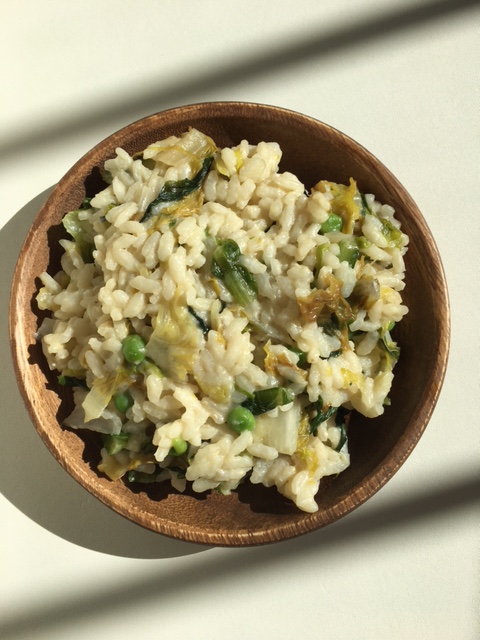
Happy lettuce day of the French Republican Calendar! Today, 16 Germinal, we are making lettuce risotto. That’s right, we’re cooking up some lettuce. The first time we made this, I was seriously skeptical. It’s from the very lovely Hugh Fearnley-Whittingstall‘s River Cottage Year. In it, he says, “this risotto is the ultimate proof of the cookability of lettuces.”

Lettuce Risotto 

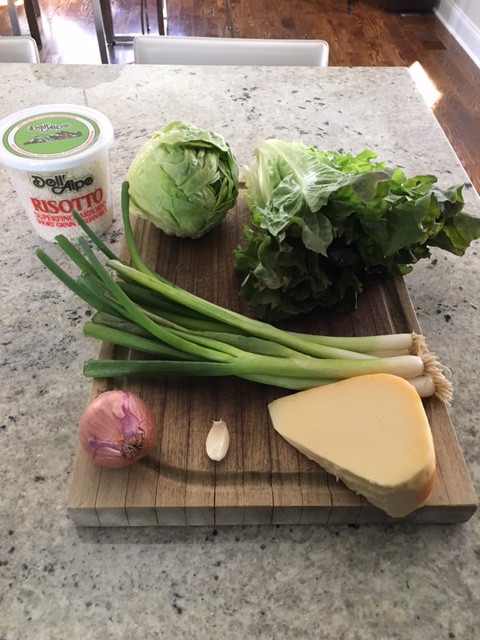
2 heads of different lettuce (Hugh says don’t use iceberg)

5 cups chicken stock

12 oz arborio rice

3 tbs olive oil

1-2 shallots, minced

1 clove garlic, minced

3 oz peas

6 spring onions, cut into 1/2 inch pieces

butter

Parmesan

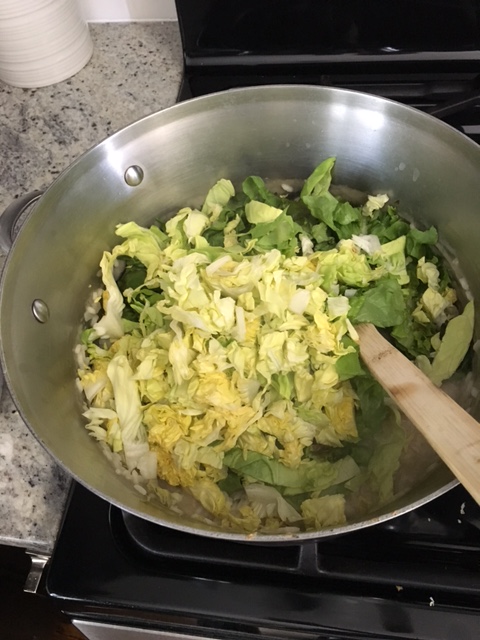
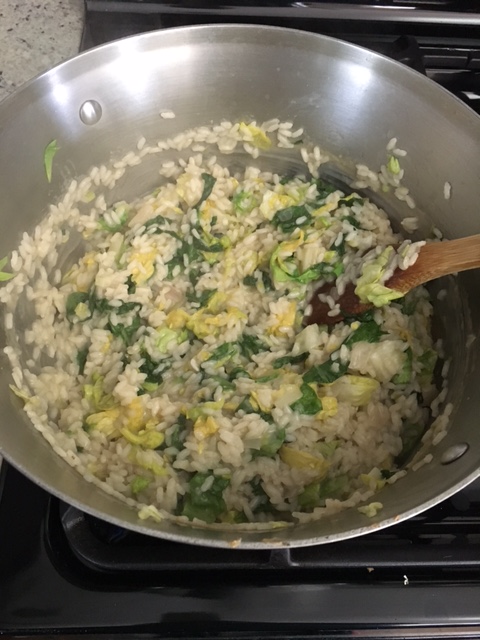
First, bring the stock to a boil and leave it at a simmer. Shred the lettuce and heat the olive oil in a larger pan. Add the shallots and garlic and cook for a few minutes. Add the rice and stir so that each grain is covered in oil. Add the green onion as well. Start ladeling in one ladel of hot stock. Stir until fully incorporated and continue ladel by ladel until all the stock has been used. Then, stir in the lettuce and peas. Mix until the lettuce has wilted. In about 4 minutes, the risotto will be ready. Add a tablespoon of butter and grate some Parmesan on top. Enjoy!
IMG_1930IMG_1933IMG_1934IMG_1937

Honey Butterscotch Sauce

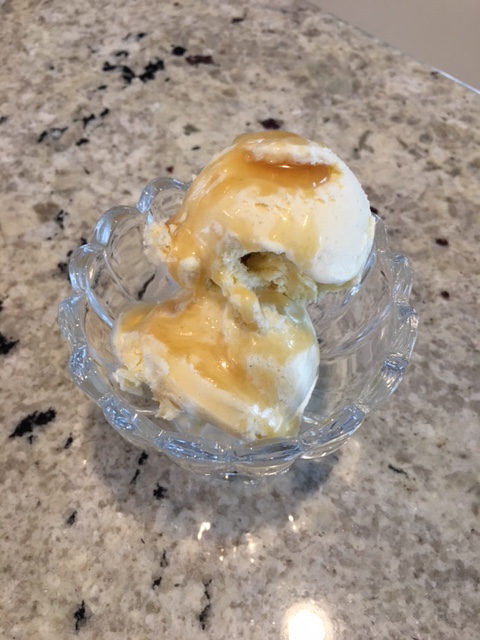
Bee day! On 15 Germinal, I’ve made a simple butterscotch from the lovely Jeni’s Splendid Ice Creams at Home that goes great on ice cream and… pretty much everything else. I love Jeni’s inventive flavors, but tend to prefer egg-based ice cream rather than her Philadelphia style. I have used her flavor ideas in an egg-y base to some success. My honey today is a clover flavor.

Honey Butterscotch Sauce 

1 cup sugar

2/3 cup honey

11/2 cup heavy cream

4 tbs butter

pinch of salt

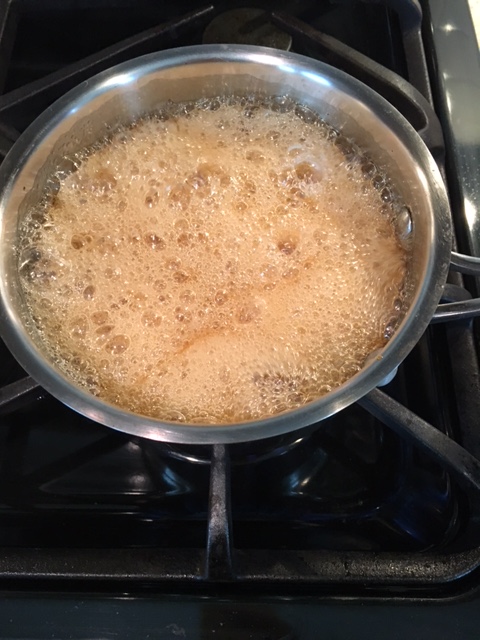
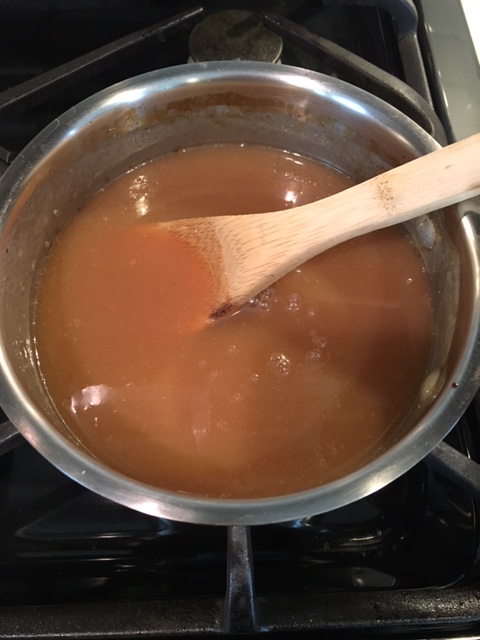
Heat the sugar and honey over a medium heat until sugar is melted. Cook until the mixture starts to brown on the edges and then watch like a hawk until it becomes deep amber brown. Remove and carefully add the cream to the mixture and stir until incorporated. Then, add the buter and salt and stir. Enjoy!
IMG_1915IMG_1916IMG_1917

Morels and Asparagus

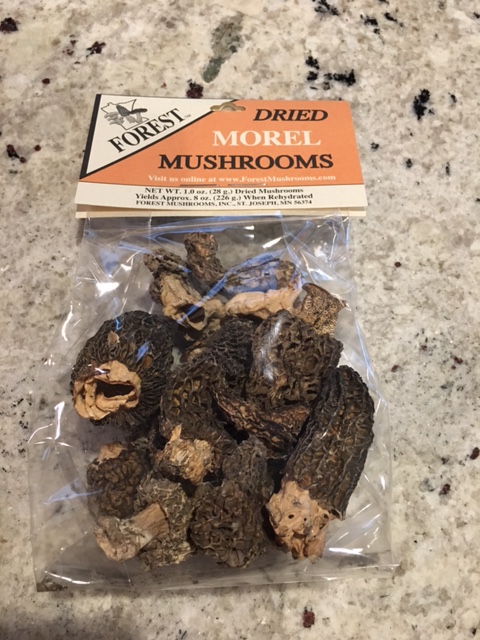
Today, 13 Germinal, we celebrate the morel mushroom. It seems as though morel season in the Midwest is about a month later than it was for the French revolutionaries. As such, I snagged some dried morels from Whole Foods, but am strongly planning on attending Ottawa’s Midwest Morel Fest on May 6th.

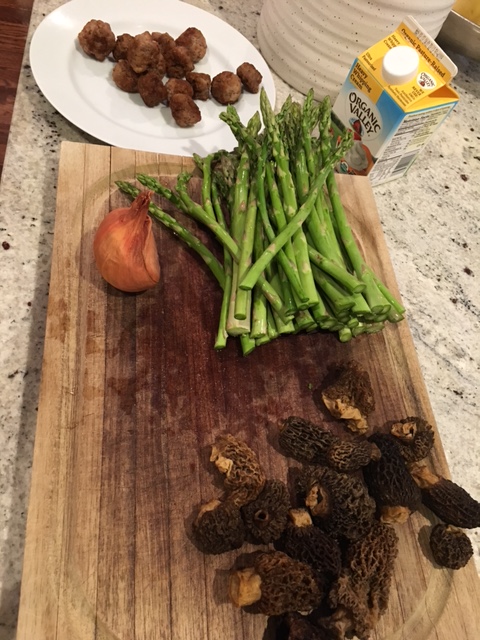
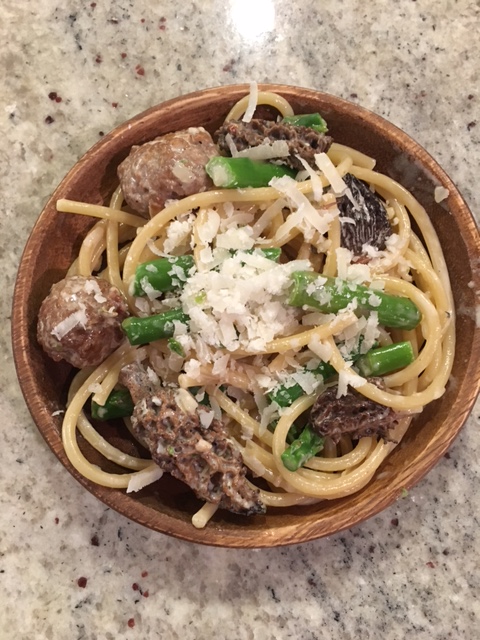
The dish I made today is a slight interpretation of the asparagus and bucatini dish from a few days ago. I’ve added the morels, obvs., but also some cream and a quick homemade italian sausage. I think the morels, cream and asparagus mixture would be great on a hearty toast as well.

Update

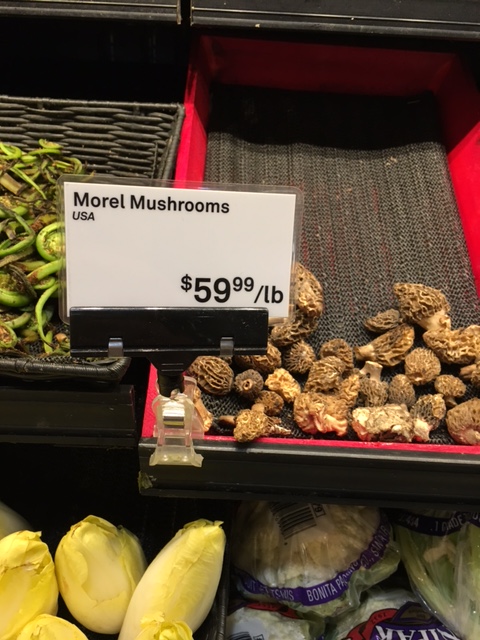
Came across some morels for sale in the grocery store today (22 Germinal):

IMG_1949

Morels and Asparagus 

1/2 lb of bucatini

1 shallot, diced

1 lb asparagus, cut into 2 inch pieces

2 cups morels, cut into bite-sized pieces

1 cup heavy cream

1/2 cup grated Parmesan

butter

Italian sausage

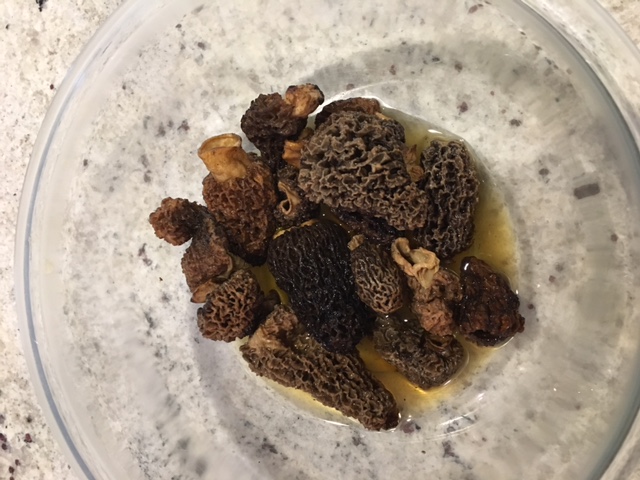
I used dried morels, so I soaked them in hot water for a half hour. For fresh, this thread was helpful in deciding how to clean the mushrooms. Bring two pans filled with water to a boil. One will be for blanching the asparagus, the other for boiling the pasta. Cook the asparagus for 3-4 minutes and then remove with a slotted spoon. Cook the bucatini (or any other pasta) until al dente. In a large pan, melt a tablespoon of butter over medium heat. Add the diced shallot and cook for a minute or two. Add the cut morels and cook for a few minutes more. Add the heavy cream, cooked asparagus and the cooked sausage and cook on low for 5 minutes. Add the pasta when finished and top with the grated Parmesan. Enjoy!
IMG_1911IMG_1912IMG_1913IMG_1914

Tea Eggs 

Mes amis, today the French Revolutionaries celebrated egg hatcheries, couvoirs. I’ve decided to translate this into an egg dish (rather than a baby chick dish). Calling back to earlier this week when we assembled the monster of a dish, Po Kok Gai, from the Fat Rice cookbook, you’ll notice it was topped with tea eggs. I have quite enjoyed these at Fat Rice when we’ve gotten their namesake dish and was excited to try to make them.

Tea Eggs 

2 cups water

1/2 cup of tea leaves

1/2 tsp of Sichuan pepper

2 cinnamon sticks

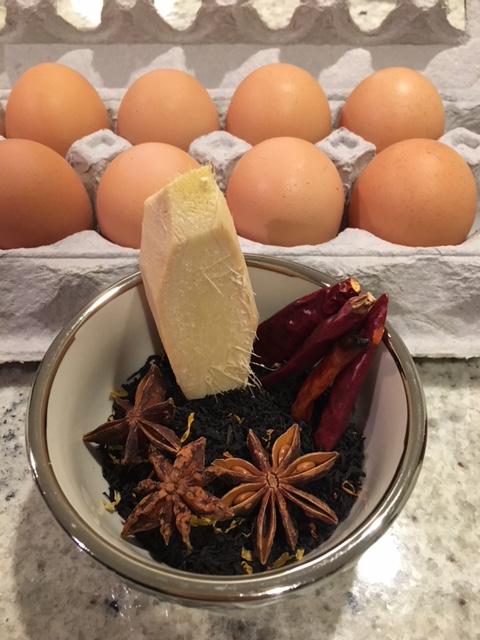
2 inch piece of fresh ginger, sliced thinly

3 whole star anise

1 cup soy sauce

4 eggs

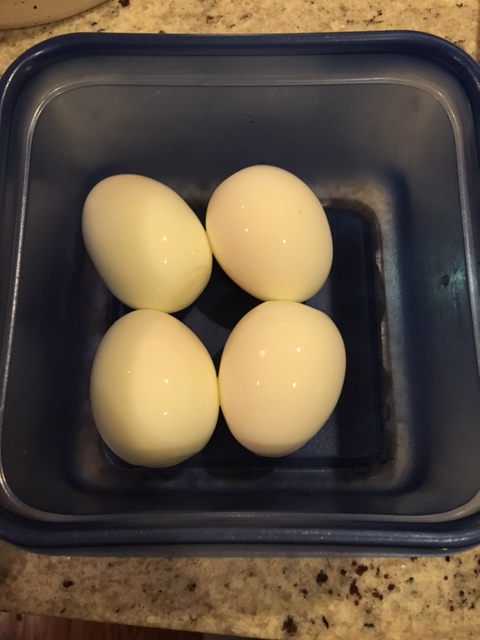
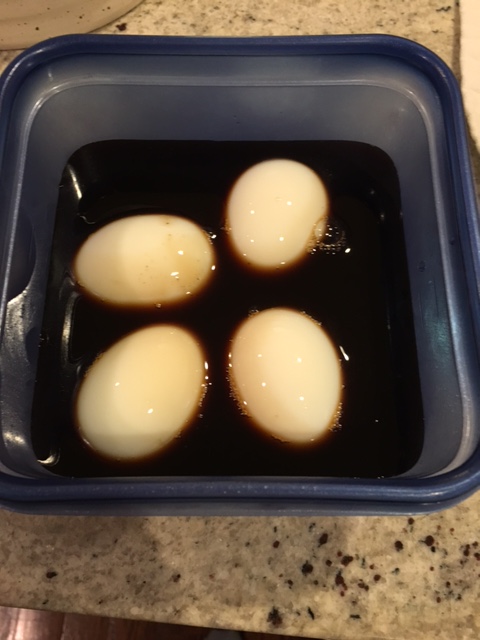
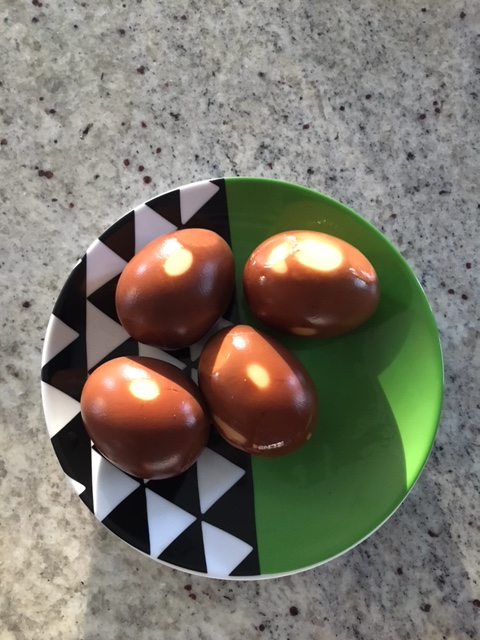
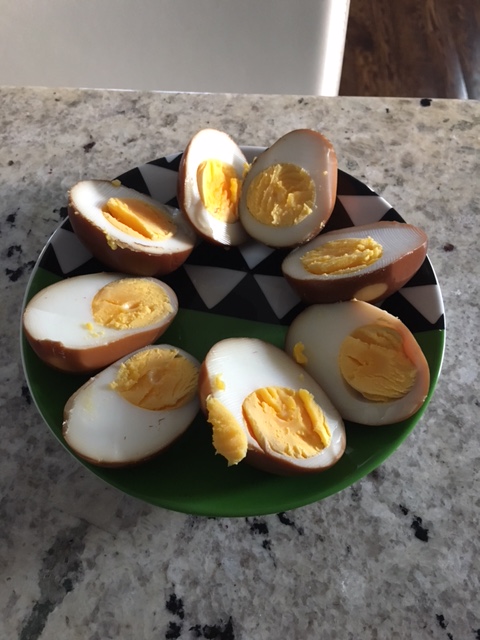
Bring the water to a boil and add all but the soy sauce and eggs. Simmer for 10 minutes and then remove from the heat. Add the soy sauce and strain the mixture to remove the solids. Let it cool to room temperature. Bring a pot of water to a boil and add the eggs gently. Cook for 12 minutes (or less if you like them a bit jammy). After the eggs have cooked, place them in a bowl of ice water to cool off. Peel the eggs when cooled and put them in the marinade. I had to weigh down the eggs with a bowl so they would be completely submerged, and I still got some white spots where the eggs pressed against the side of the container. Not sure how to avoid that! refrigerate the eggs in the marinade for an hour, remove the eggs from the marinade and enjoy!
IMG_1874IMG_1875IMG_1876IMG_1890IMG_1894

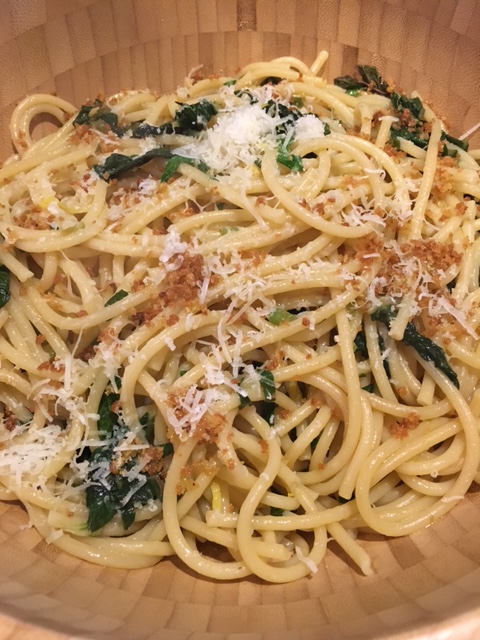
Bucatini and Chard 

Mes amis, we have skipped over Tulip Day and are celebrating chard on this, 6 Germinal. Turns out there is nothing particularly Swiss about swiss chard. According to Wikipedia, chard is not native to Switzerland and is not particularly cultivated there. Their guess is it became Swiss after being described by a Swiss botanist. Elsewhere on the internet, different theories are posited. One I liked best made an analogy to the etymology of Jerusalem Artichoke:

In English it is also known under these names: chard, white beet, strawberry spinach, seakale beet, leaf beet, Sicilian beet, spinach beet, Chilian beet, Roman kale, and silverbeet. Originally, chard was a corruption of the French word for cardoon, carde, and the name was Swiss cardoon, a misnomer that William Woys Weaver, author of Heirloom Vegetable Gardening, likens to another famous misnomer, “Jerusalem artichoke.”

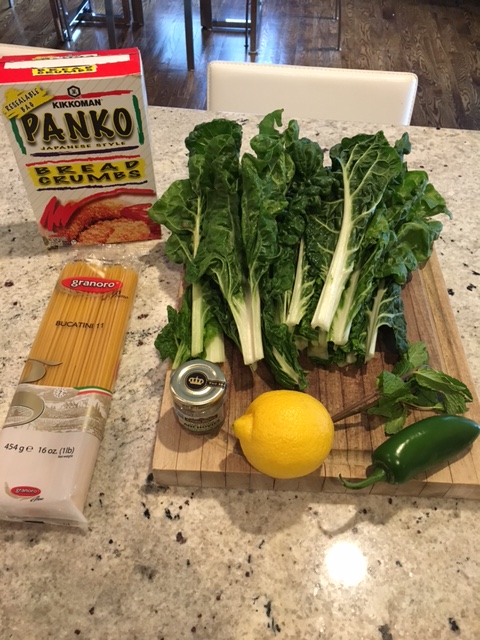
Cardoons are a thistle-like plant and apparently chard was at one point thought to be derived from it, so they named it “Swiss Cardoon.” At any rate, I’m adapting a Bon Apetit recipe that incorporates garlicy breadcrumbs and mint with bucatini and chard.

Bucatini and Chard  

4 garlic cloves, sliced thinly

1/3 cup panko

12 oz bucatini

5 anchovy fillets

1 green chile

1 bunch of chard, stems removed and leaves sliced

3 tbs butter

1/2 cup of chopped mint

2 tsp lemon zest

2 tsp fresh lemon juice

Grated Pecorino

Set a pot of water to boil for the pasta. While it heats, in a different pan, heat 2 tbs of olive oil in a skillet and add garlic. Cook the garlic for about 2 minutes and remove the garlic with a slotted spoon. Add the panko and cook until golden brown and add salt and pepper. Remove from heat and add to the reserved garlic.

In a separate pan, heat 3 tbs of olive oil. Add the anchovies and cook for about 4 minutes, all the while smushing the anchovies until they are very small. Add the chile, chard and cook for a minute or two. Add the butter, pasta and 1/2 cup of pasta water to the chard mixture and cook for a few minutes until the pasta water has cooked off. Remove from heat and add the mint, lemon zest and lemon juice. Add the garlicky breadcrumbs and grated Pecorino and enjoy!
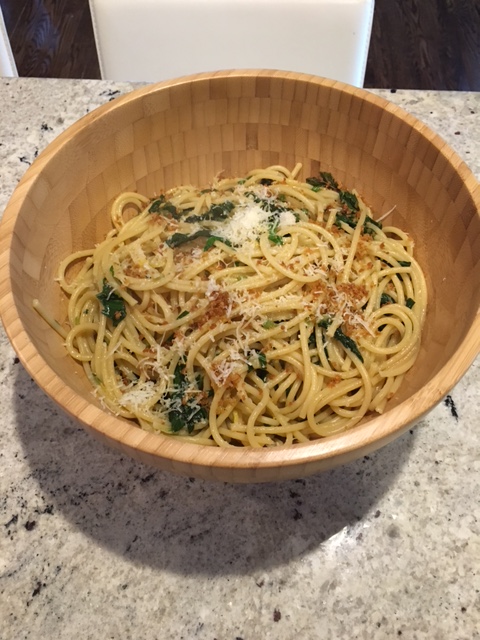
IMG_1907IMG_1908IMG_1909