Walnut Brownies

Mes amis,

Today we celebrate the walnut! 14 Fructidor brings us Noix Day and we are making walnut brownies by adapting Rose Levy Beranbaum‘s delicious recipe for black and white pecan brownies from The Baking Bible.

In researching walnuts, I found that in China nearly symmetrical walnut shells are highly prized. There is a custom, dating back to 200 BCE where a person palms two walnut shells and moves them around in their hand, to promote circulation, seemingly like worry beads. Over time, the shells take on a polished and darker hue and a few years ago, walnut selling reached record highs in China. From the Reuters article:

“Walnut investments go up every year. A pair of walnuts at 350 yuan ($55) 10 years ago can sell for 3,500 yuan or even 20,000 or 30,000 yuan,” Hu said.

According to my Googling, that’s about $4,700. ALSO, walnut shells are used as canvasses for miniature carvings called “hediao.” The briefest of internet searches leads me to believe that “hediao” can be applied to any nut or fruit pit carving, but is mostly associated with walnuts. Check out these amazing carvings here and here.

UPDATED to bump up a truly wonderful comment:

So a little word lesson fun! 核桃 (he tao) means walnut in Chinese. “He” (核) means pit or stone. “Tao” (桃) means peach. Walnut means: stone peach. 核雕 (he diao) translates to pit or stone carving. And you are right! It can apply to any carving on a pit. 🙂

Walnut Brownies

1 cup of walnut halves

14 tbs of unsalted butter

3 ounces of semi-sweet chocolate

2/3 cups of unsweetened (alkalized) cocoa powder

1 cup sugar

3 eggs

2 tsp vanilla

1/3 cup cream cheese at room temperature

1/2 cup plus 2 tbs of all-purpose flour

pinch of salt

Set the oven to 325. Melt the butter and the chocolate either in a double-boiler, or in my  usual super cheat-y way: Melting the butter first in a pan, turning off the heat and adding the chocolate and stirring until the chocolate is melted. As in all of my Rose Levy Beranbaum recipes, many shortcuts were used.

In an electric mixer, beat the melted chocolate mixture with the cocoa powder and sugar. Then, beat in the eggs and vanilla until just incorporated. Add the cream cheese in chunks, then the flour and salt. Mix until the flour is just incorporated – less than 30 seconds. Sir in the walnuts with a spoon.

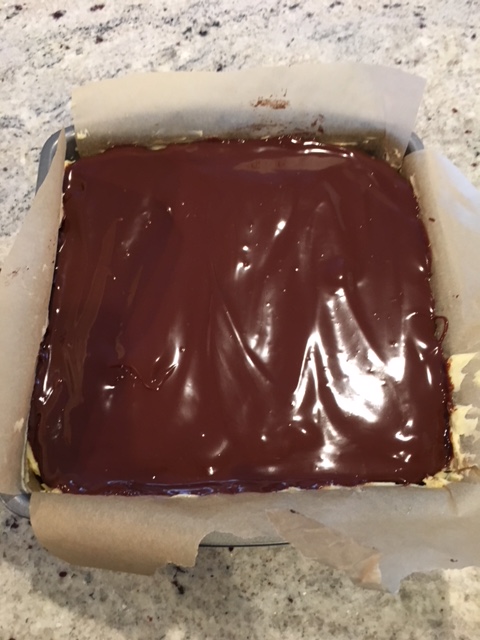
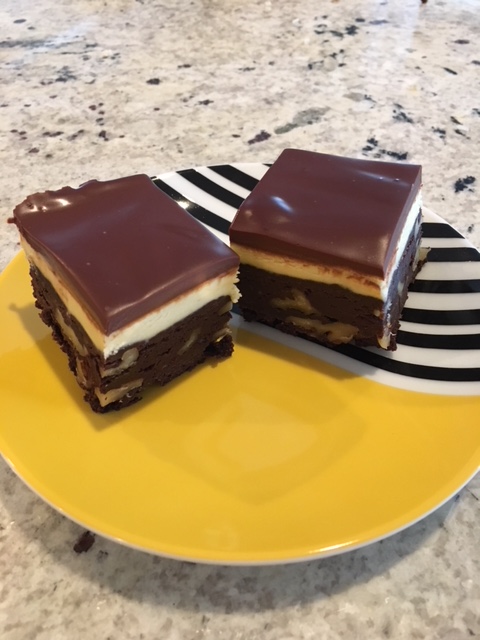
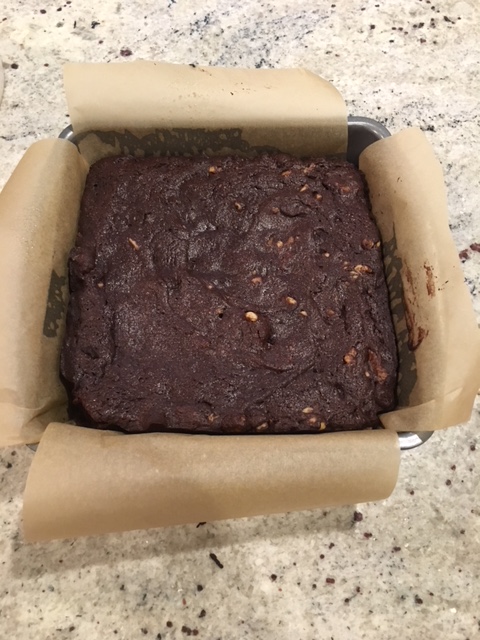
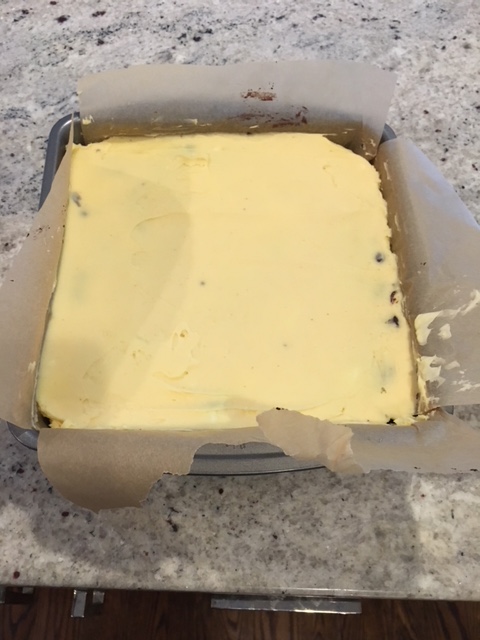
In a 8 x 8 square pan lined with parchment paper and sprayed with cooking spray, pour in the brownie batter. Bake for 25 to 35 minutes until a knife inserted one inch from the edge of the pan comes out clean. I continued with Rose’s black and white brownie recipe which called for a white chocolate butter cream and then a chocolate ganache. The brownies themselves are delicious on their own. Enjoy!
IMG_3305IMG_3306 (1)IMG_3308 (1)IMG_3309 (1)


Fennel Crackers

Today, 12 Fructidor, we celebrate fennel! In Greek, fennel is called “marathon” and the Battle of Marathon is so named because it took place in a field of fennel. AND! By confusing two events in Greek history (1 – the 140 mile run by Pheidippides from Athens to Sparta during the Battle of Marathon to ask for assistance in fighting the Persians, and 2 – the 25 mile march the Athenian army took from the battle site back to Athens) we have our modern-day conception of a marathon. According to Wikipedia, the story of Pheidippides running from Marathon to Athens to announce the Athenian victory is a myth. When the organizers of the first Olympics set out to popularize the games, they used the myth to create the marathon run. Indeed, the Wikipedia page for the town of Marathon in Greece features a picture of a lovely field of fennel.

At any rate, we are celebrating not dying from exhaustion after running 26 miles (myth or not) by making some savory biscuits from the Great British Baking Show. This recipe comes from the most recent season (American) and the last, I believe, with the original hosts and judges.

Fennel Crackers 

1 1/2 cups all purpose flour

1/2 tsp salt

1/2 cup butter, softened

2 eggs, separated

1/2 cup grated Parmesan

1 tbs sun-dried tomato paste

1 tbs crushed fennel seed

1/2 tsp of sesame seeds


First, add the flour, salt, butter, eggs and 1/4 cup water into the bowl of an electric mixer and mix for about 5 minutes. Then, add the Parmesan, sun-dried tomato paste and fennel seed and mix until well-incorporated.

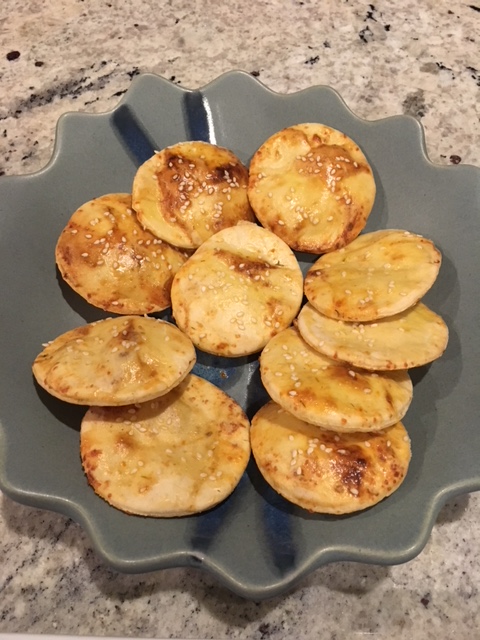
In between two sheets of parchment paper, roll out the dough until it is 1/4 inch thick. refrigerate for 30 minutes. When cool, preheat the oven to 350. Using a round cookie cutter, cut out the crackers from the chilled dough and place on a baking sheet lined with parchment paper. Brush the crackers with beaten egg and sprinkle with sesame seeds. Bake for 10 to 15 minutes until golden brown. Enjoy!

IMG_3209

Pickled Melon Rind

Aujourd’hui, we celebrate watermelon! Today is 11 Fructidor in the French Republican Calendar, but Gentle Reader, it is January 13 in the Gregorian calendar. For this reason, I decided to celebrate watermelon by way of preserving it. I have made a version of Escoffier‘s Petits Melons Confits (recipe 1004). The recipe, in full:

Select very small melons picked a little while after their flowers have dropped off. Cover them with salt for 10-12 hours then wash them in a solution of two-thirds vinegar and one-third water.

Place in stoneware jars with the usual pickling spices and cover with either hot or cold vinegar – the hot should be used if the melons are required to be kept very green. They are ready for use in 7 – 8 days.

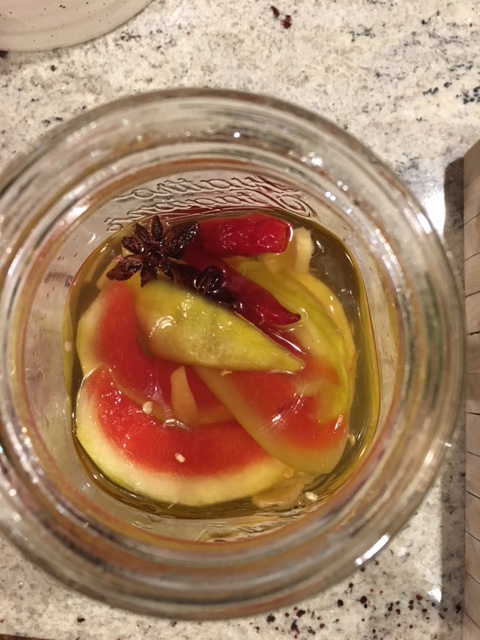
As you can see, the unripe-ness of the melon is its prized quality in this recipe. I’ve used a Bon Apetit recipe for pickled melon rind that updates the pickling ingredients in a delightfully spicy way, though I toned down the salt. I have eaten it so far on avocado toast and in a salad. It offers a salty/sweet/spicy tang.

Pickled Melon Rind 

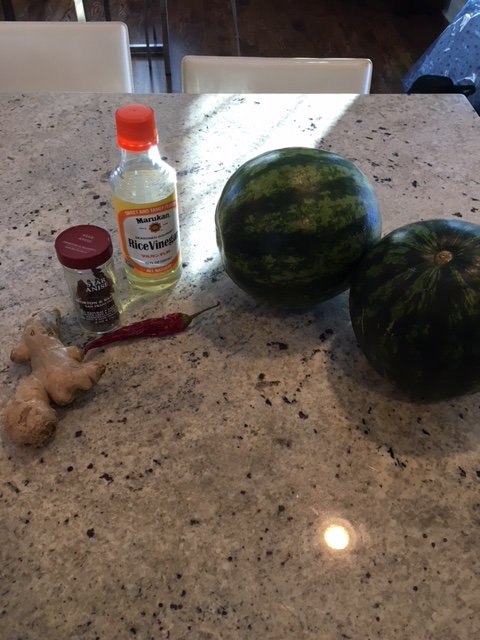
1 small watermelon

1 chili (if dried, broken into pieces; if fresh, cut)

1 inch piece of ginger, sliced

2 star anise pods

2 tsp kosher salt

1 tsp black peppercorns

1 cup sugar

1 cup rice vinegar

Peel the outer green rind from the melon and throw away. Slice the watermelon in half and then in quarters. Working with each quarter, slice away the flesh (save for eating later) and cut the remaining rind into 1 inch pieces.

Bring the rest of the ingredients to a boil in a large pan. Add the rind while boiling and reduce to a simmer. Simmer for 5 minutes, remove and let cool. When cooled, transfer to a mason jar and refrigerate. Enjoy!

IMG_3286IMG_3295

Licorice

Mes amis,

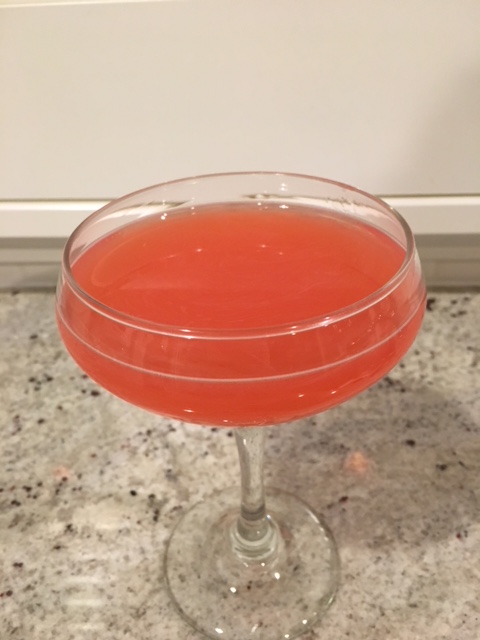
9 Fructidor was a challenge! A challenge I fear I must abandon for the year. Today, we tried our darndest to celebrate licorice. I do not enjoy the flavor of licorice. So, I mulled over some ideas, rejected most, found myself truly nauseous at the thought of swedish salty licorice and finally decided to make a cocktail. I chose a sweet cocktail using grenadine and Ricard Pastis – a french liqueur with a licorice flavor. It was a lovely Barbie pink, but that is the nicest thing I could say about it.

IMG_3292

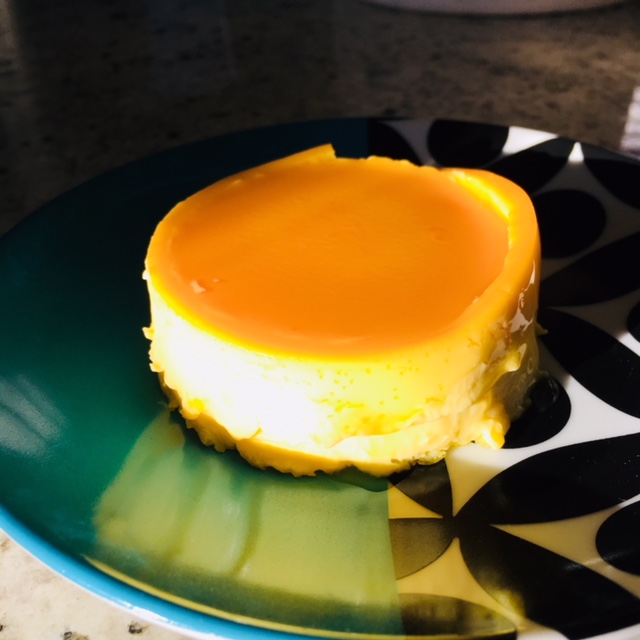
Then, I thought of making something, delicious on its own, but with a hint of licorice flavor. Flan! Licorice flan. Sorry to report, it was another licorice-fueled disaster.

IMG_3255

I spent some days trying to come up with additional licorice ideas and ran across this tidbit from a 1989 New York Times article on the resurgent popularity of licorice-flavored food:

In ancient Rome an anise-flavored cake called mustaceum was popular at the end of a lavish dinner. It is considered a forerunner of the traditional spicy wedding cake often served in England.

But, a cursory internet search shows that the flavor of this cake was grape must – right there in the name, “mustaceum”, so another dead-end. And with that, I gave up on licorice. Perhaps next year!