Quinces, mes amis, are blowing my mind. The quinces we are familiar with are usually bitter until cooked, but in central Asia, Greece and the Middle East, quinces can be sweet right off of the tree. Quinces and apples were so intertwined in the ancient era, that some believe many of the stories including that of the Garden of Eden referred to quinces rather than apples. They resemble a cross between an apple and a pear and were popular in Mesopotamia before apples. We get a name check from Pliny the Elder again, just as with pistachios. Quince jam is the origin of the word “marmalade” as the spanish name for quinces is marmelo.
This fascinating (truly) essay on quinces has this tidbit (among many amazing tidbits!):
This paste was also called cotoniak or paste of Genoa, with quiddony or quiddoniak referring to a translucent jelly which was similar. In France it was called cotignac, with the best being Cotignac d’Orleans. This was boiled with sugar to form a clear jelly which was an attractive ruby colour. It was then poured into small round wooden boxes to set. These were often presented to visiting royalty when they passed through outlying towns and villages. In 1429 Joan of Arc was presented with a gift of cotignac when she arrived at Orleans to liberate it from the English. Ever since, cotignac has been made in moulds of her likeness.
And, check some out: http://cotignac-orleans.fr/tag/cotignac/
Here, I’ve adapted an apple quince tarte tatin from David Lebovitz’s Ready for Dessert.
Quince Apple Tart
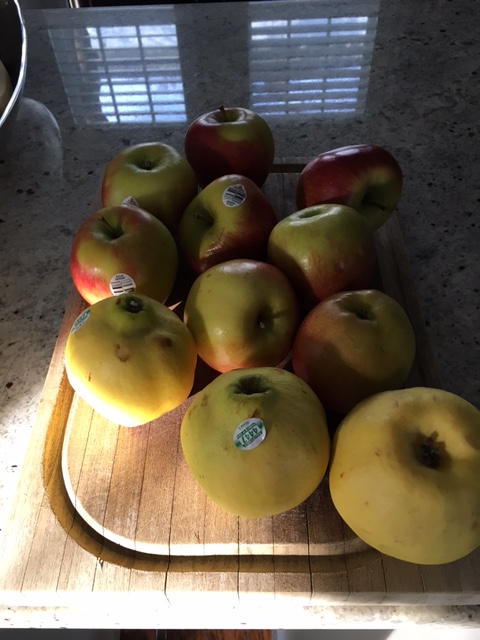
8 apples
3 quinces
3 tbs butter
3/4 cup sugar
Dough
1 cup flour
2 tsp sugar
1/4 tsp salt
4 tbs butter
3 tbs ice water
First, make the dough. In a food processor, pulse the flour, sugar and salt. Then, cut the butter into small cubes and pulse until the butter is pea-sized. Add the ice water and pulse until the mixture is just combined. Dump out the dough and wrap it in plastic and refrigerate it in a disk for 20 minutes. When you’re ready with the fruit, roll it out.
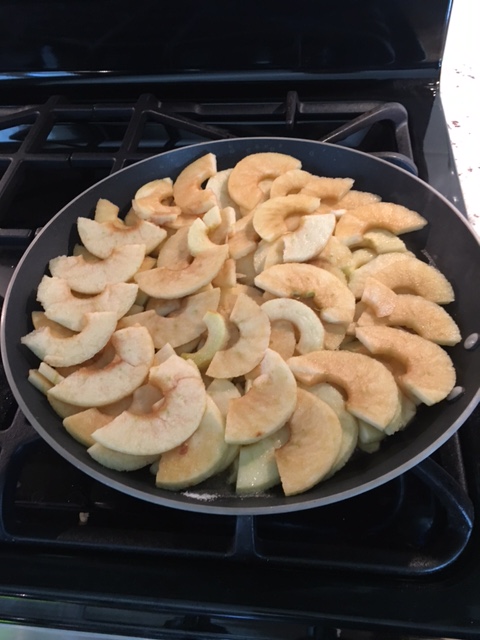
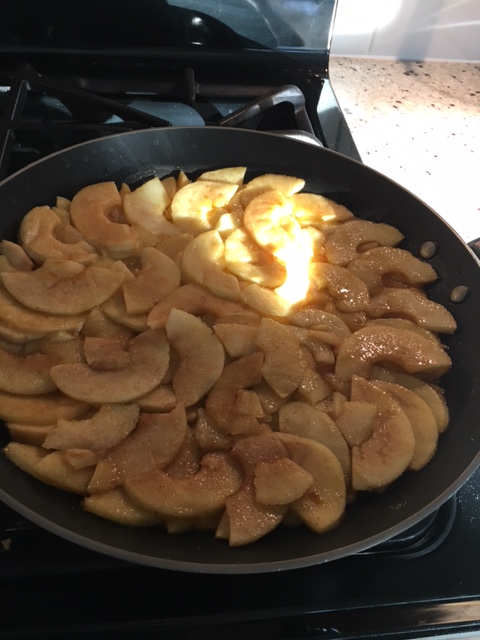
For the fruit, peel, core and slice all the apples and quinces. David Lebovitz uses a cast iron pan for this, but I don’t have one and instead used a regular pan and transferred the cooked fruit to a baking pan when they were ready. Melt the butter and sugar in the pan and then arrange the slices of apples and quinces evenly throughout the pan. Cook on medium until the juices thicken and caramelize – about 25 minutes. When completed, roll out the dough and (if you’ve used a cast iron skillet), place the dough on top of the fruit and put in a 375 degree oven. I removed the fruit from my pan and put it in bakeware and placed the dough on top of that. Bake until the crust is golden brown, around 40 minutes. David inverts the tarte tatin once completed, but I left it as is in the bakeware.

 Eat the revolution