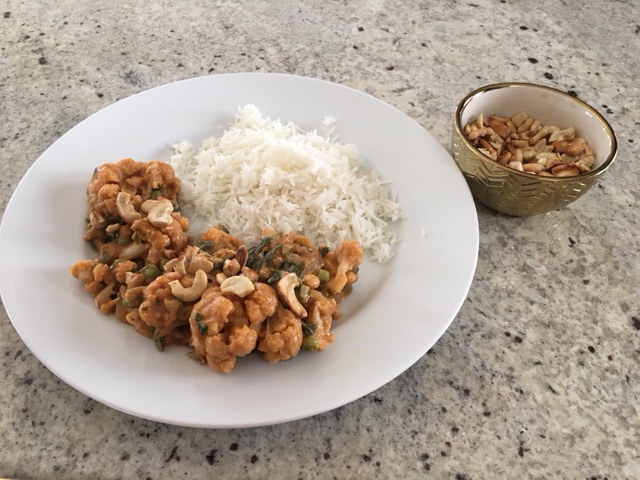
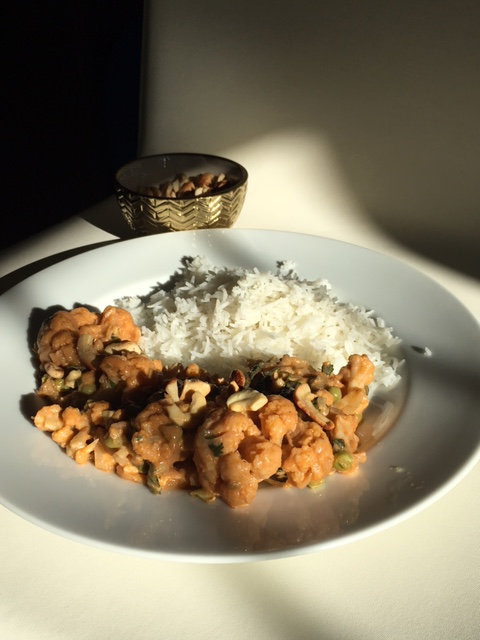
Cauliflower Curry

Today, on 7 Frimaire, we celebrate the cauliflower. Like chestnuts, cauliflower’s popularity in France coincided with Louis XIV. There are some conflicting reports on the internet about whether cauliflower is a fractal. Certainly, romanesco is. But common cauliflower? Perhaps.

Today, we are celebrating cauliflower in curry form. This was taken from Meera Sodha’s Made in India and is delicious.

Cauliflower, cashew, pea and coconut curry

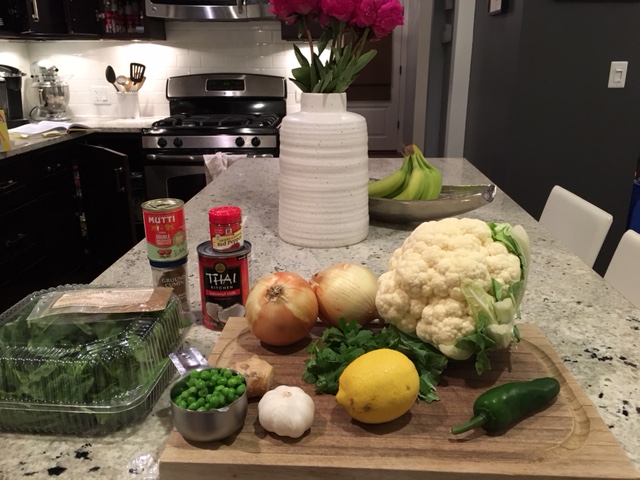
2 inch nub of ginger, chopped

4 cloves of garlic, chopped

1 jalapeno, chopped (I removed the seeds and membrane)

salt

4 tbs canola oil

2 large onions, thinly sliced

1 tbs tomato paste

1 1/2 tsp ground coriander

1 1/4 tsp ground cumin

1/2 tsp chili powder

1 large head of cauliflower cut to bite sized

1 1/2 cups coconut milk

4 oz cashews

1/2 cup of peas

1/2 tsp garam masala

small bunch of cilantro, chopped

wedge of lemon

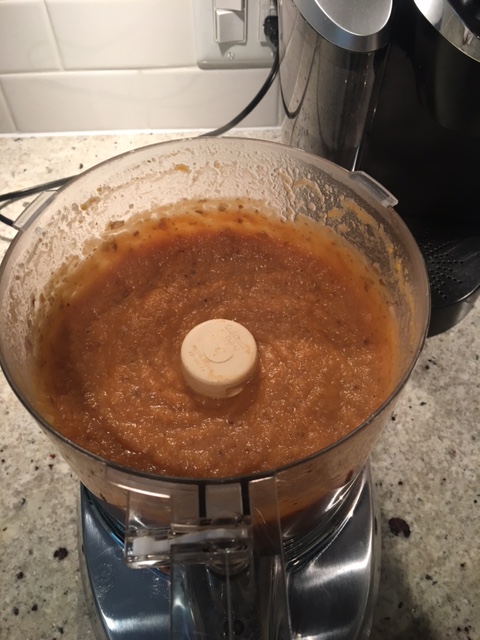
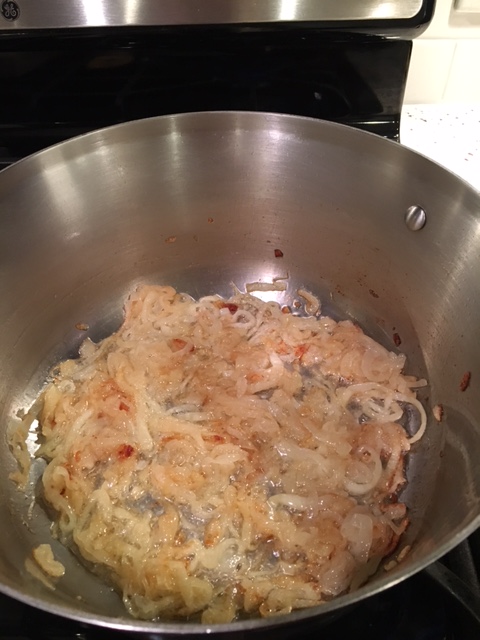
First, thinly slice the onions (I used a mandolin). Heat the canola oil in a large pan and then add the sliced onions. Cook for 20 – 30 minutes, until they become golden brown. Add the ginger, garlic, pepper and cook for 3 to 4 minutes. Add the tomato paste, coriander, cumin, chili powder and 1 teaspoon of salt. Cook for a minute or two. Then, add the cauliflower and cook for another minute. Add the coconut milk bring to a simmer then cover and cook for 10 minutes. While simmering, fry the cashews in a tablespoon of oil in a separate pan for a minute or two. Add the peas, garam masala to the cauliflower and cook for 5 minutes. Taste for seasoning. Add the cashews, cilantro and lemon juice and serve with basmati rice.
img_1566img_1567img_1568img_1570

Gâteau Marrons Glacés

Though we have entered the month of Frimaire (frost), I received a request to revisit 3 Vendemiare (Windy Chestnut). The request:

any thoughts regarding the fabled marrons glaces cake? or the marrons in general?

Gentle Reader,

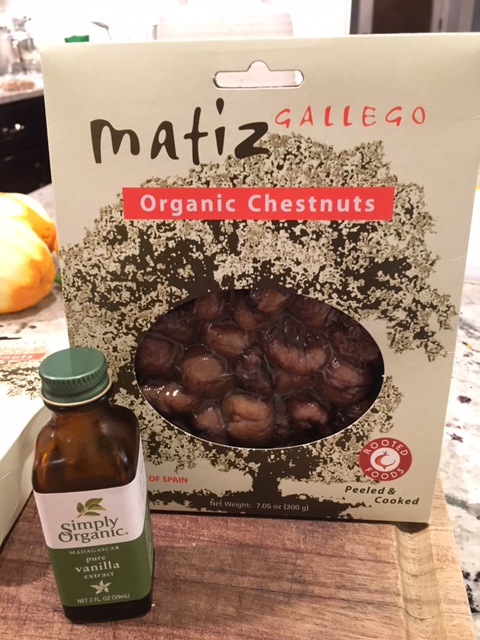
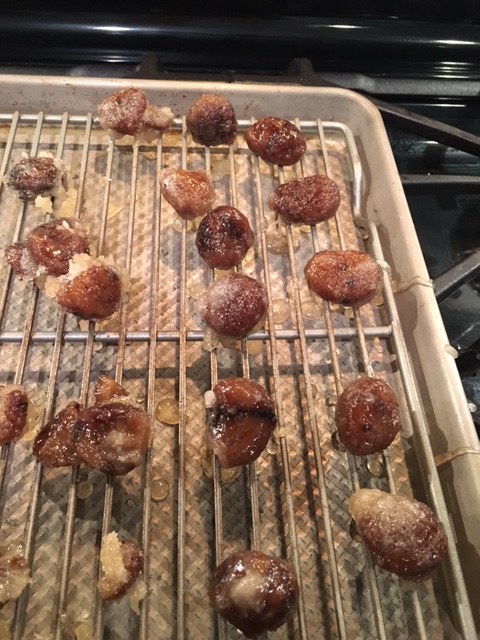
First, thank you for your question. It led me first down a definitional path – 3 Vendemiare in the French Republican Calendar is called châtaigne. Châtaigniers are wild chestnut trees and marrons are chestnuts from marroniers, a cultivated chestnut tree. Marrons glacés (candied chestnuts) are available on Amazon, it seems, but were not in any of my usual grocery stores. So, I first made candied chestnuts! Right now, there are plain chestnuts available in the stores (they weren’t there on 3 Vendemiare), but I went with vacuum sealed, shelled chestnuts. Most recipes online have you boil the chestnuts three separate times over the course of three days to infuse them with the vanilla sugar syrup. Then, boiling a simple syrup and dipping the chestnuts in creates a hard candy shell. Then, I settled on a chocolate chestnut cake recipe from Hugh Fearnely-Whittingstall’s River Cottage Year. The cake recipe is very simple and flourless.

Chronologically, the dish fits perfectly within the time frame of the French Republican Calendar. Wikipedia has the first French recipes for the dish coming out of Louis XIV’s court.

Marrons Glacés (Candied Chestnuts)

About 30 chestnuts (shelled)

1 cup water

1 cup sugar

1 tsp vanilla extract

Gâteau Marrons Glacés (Chocolate Chestnut Cake) 

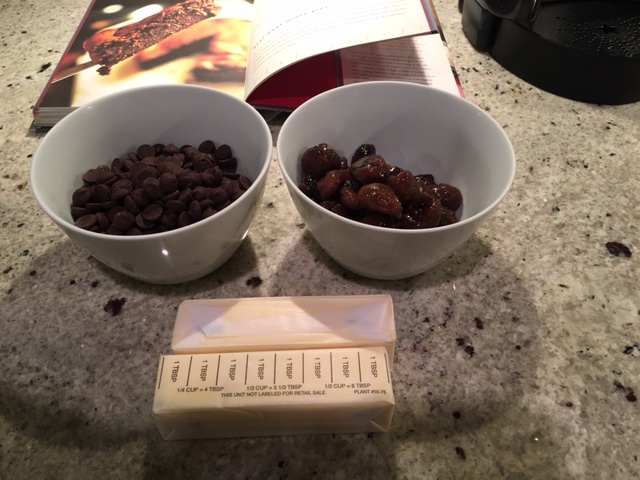
1 1/2 cups dark chocolate chips

9 tbs butter

1 1/2 cups candied chestnuts

1/2 cup milk

4 eggs, separated

3/4 cup sugar

First, to candy the chestnuts. Bring a pot of water to a boil and blanch the chestnuts for 10 minutes. Remove and bring the cup of water and sugar to a gentle boil. Cook the reserved chestnuts for 5 minutes, then remove, add the vanilla and let cool. Refrigerate overnight and repeat the process the next day. Then, heat another pan of equal parts water, sugar and 1 tsp vanilla. Boil until slightly syrupy and start dunking chestnuts in the mixture. Remove the chestnuts with tongs and let them cool on a rack.

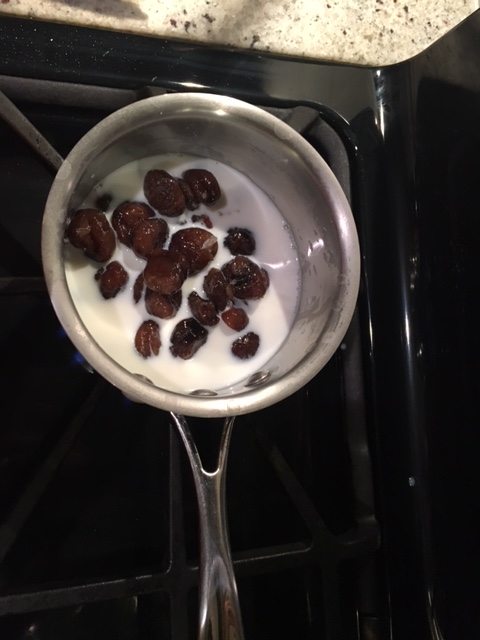
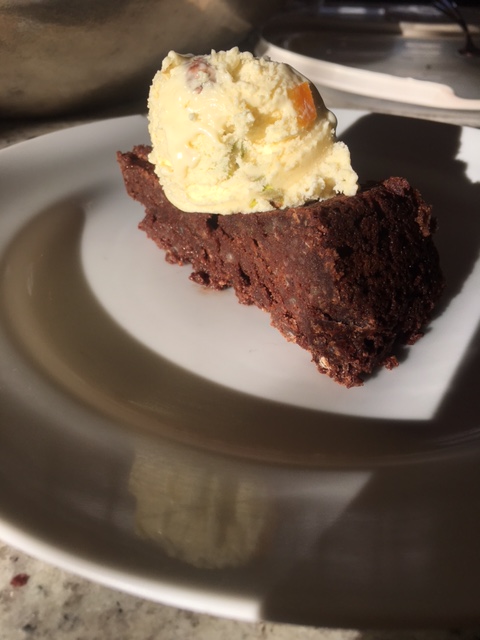
For the cake, first melt the butter on the stove in a small pan. Add the chocolate and cook on low until the chocolate is also all melted. In a separate small pan, boil the milk and the chestnuts for a minute. In an electric mixter, beat the egg whites until soft peaks form. In a separate bowl, mix the egg yolks and sugar. Puree the chestnuts until you get a chunky paste in a food processor. Add the chocolate mixture to the yolk mixture, then add the chestnut puree and then fold in the egg whites. Bake in a 9 or 10 inch round pan, but be sure to line the bottom of the pan with parchament and spray with cooking spray all over. Bake for 25 minutes. Can be served warm (will be gooey) or chilled.

img_1535img_1547img_1557img_1558img_1562


Rutabaga Fries

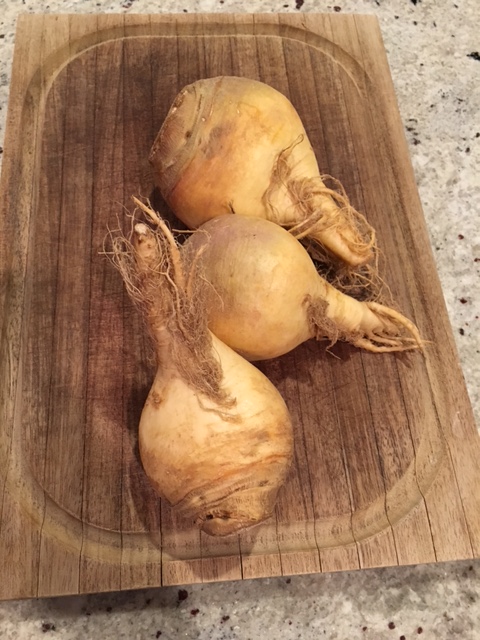
Rutabagas are a cross between cabbage and turnips, but to me, are indistinguishable from turnips except in color. Julia Child says that French people almost never eat rutabagas. So, take that, Jacobins!

These fries were a thought I had while reading The Bob’s Burgers Burger Book: Real Recipes for Joke Burgers. There is a recipe for “Parsnip-vous Francais” burger that uses rosemary and sage as the seasoning for parsnip fries.

Rutabaga Fries

3 Rutabagas

Sprig of rosemary, diced

3 leaves of sage, diced

salt

pepper

olive oil

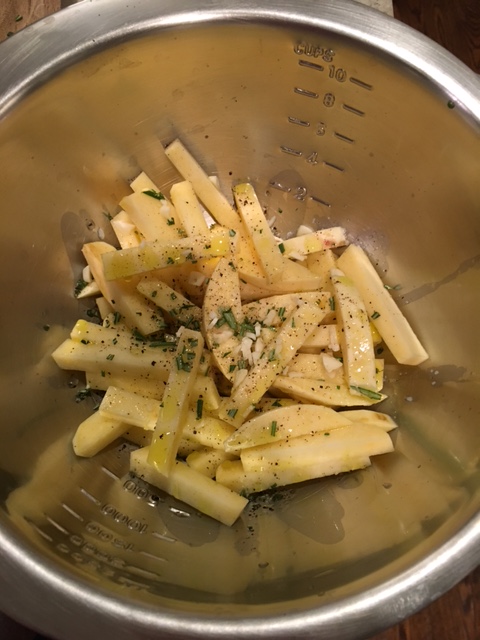
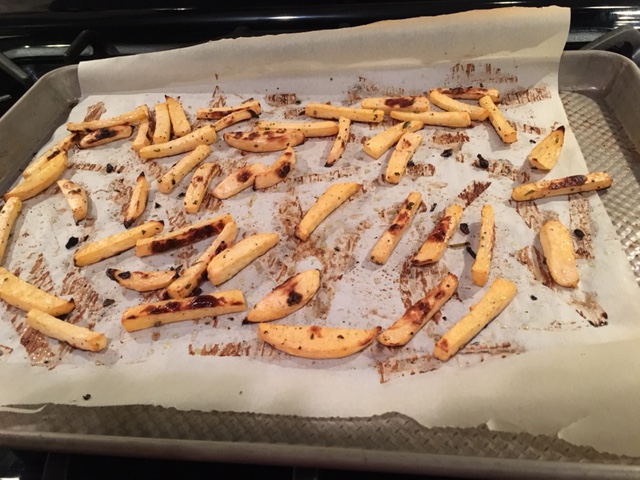
Peel the rutabagas and cut into french fry sizes. Toss, in a bowl with a tablespoon or so of olive oil, the rosemary and sage and a dash of salt and pepper. Cook, at 400 for 15 minutes, toss the fries, then cook for an additional ten or so minutes until they turn golden brown.

img_1544img_1545img_1546


Quince Apple Tart

Quinces, mes amis, are blowing my mind. The quinces we are familiar with are usually bitter until cooked, but in central Asia, Greece and the Middle East, quinces can be sweet right off of the tree. Quinces and apples were so intertwined in the ancient era, that some believe many of the stories including that of the Garden of Eden referred to quinces rather than apples. They resemble a cross between an apple and a pear and were popular in Mesopotamia before apples. We get a name check from Pliny the Elder again, just as with pistachios. Quince jam is the origin of the word “marmalade” as the spanish name for quinces is marmelo.

This fascinating (truly) essay on quinces has this tidbit (among many amazing tidbits!):

This paste was also called cotoniak or paste of Genoa, with quiddony or quiddoniak referring to a translucent jelly which was similar. In France it was called cotignac, with the best being Cotignac d’Orleans. This was boiled with sugar to form a clear jelly which was an attractive ruby colour. It was then poured into small round wooden boxes to set. These were often presented to visiting royalty when they passed through outlying towns and villages. In 1429 Joan of Arc was presented with a gift of cotignac when she arrived at Orleans to liberate it from the English. Ever since, cotignac has been made in moulds of her likeness.

And, check some out: http://cotignac-orleans.fr/tag/cotignac/

Here, I’ve adapted an apple quince tarte tatin from David Lebovitz’s Ready for Dessert.

Quince Apple Tart 

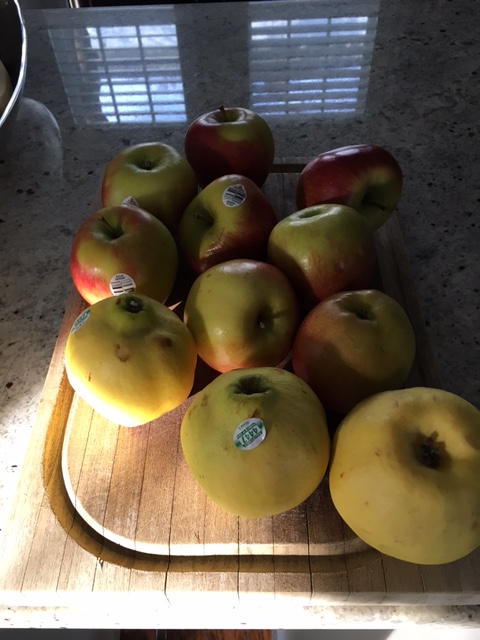
8 apples

3 quinces

3 tbs butter

3/4 cup sugar

Dough

1 cup flour

2 tsp sugar

1/4 tsp salt

4 tbs butter

3 tbs ice water

First, make the dough. In a food processor, pulse the flour, sugar and salt. Then, cut the butter into small cubes and pulse until the butter is pea-sized. Add the ice water and pulse until the mixture is just combined. Dump out the dough and wrap it in plastic and refrigerate it in a disk for 20 minutes. When you’re ready with the fruit, roll it out.

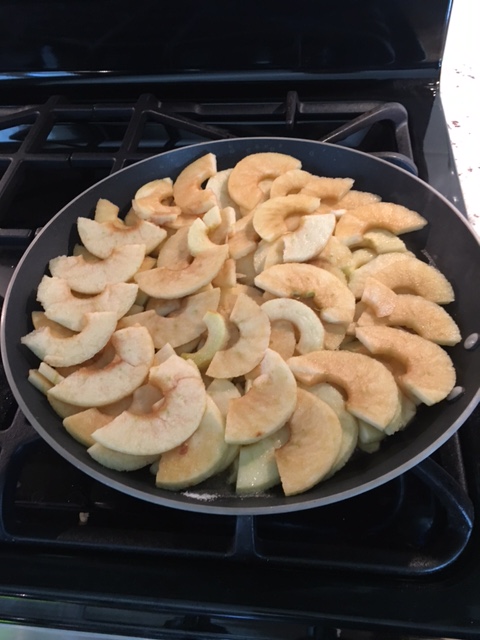
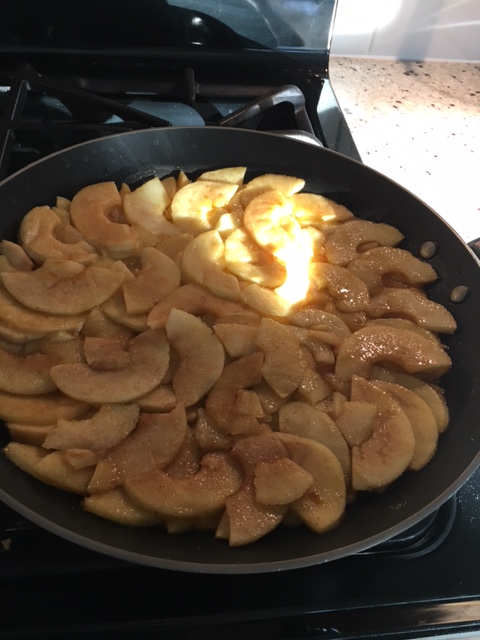
For the fruit, peel, core and slice all the apples and quinces. David Lebovitz uses a cast iron pan for this, but I don’t have one and instead used a regular pan and transferred the cooked fruit to a baking pan when they were ready. Melt the butter and sugar in the pan and then arrange the slices of apples and quinces evenly throughout the pan. Cook on medium until the juices thicken and caramelize – about 25 minutes. When completed, roll out the dough and (if you’ve used a cast iron skillet), place the dough on top of the fruit and put in a 375 degree oven. I removed the fruit from my pan and put it in bakeware and placed the dough on top of that. Bake until the crust is golden brown, around 40 minutes. David inverts the tarte tatin once completed, but I left it as is in the bakeware.


img_1522img_1523img_1524img_1527

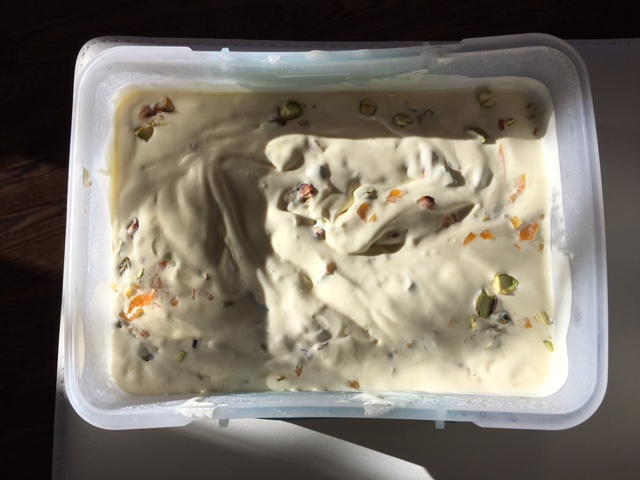
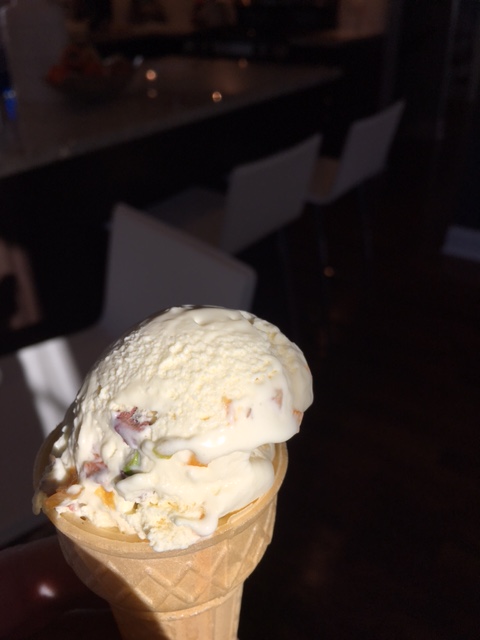
Pistachio Orange Ice Cream

We are skipping over Pheasant Day to arrive at Pistachio Day of Brumaire. Pistachios have been with us for a looong time. Pliny the Elder himself namechecks them in Natural History. They are drupes, like almonds, cashews or walnuts and have a fleshy coating on the outside of the seed shell when unripe. Supposedly, you can actually hear the pistachio seed splitting while on the tree, but a cursory search of the internet did not provide any audio.

Today’s recipe is part two from Orange Day. I am using the candied orange and some pistachios to make a delightful ice cream from David Lebovitz’s Perfect Scoop.

Pistachio Orange Ice Cream 

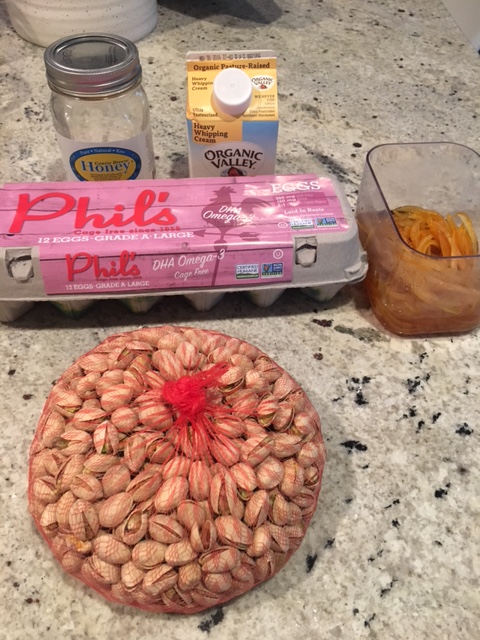
1 1/2 cups half-and-half

1/2 cup sugar

1/4 cup honey

pinch of salt

1 orange, zested

1 1/2 cups heavy cream

5 egg yolks

2 tbs of candied orange peel (and some of the syrup made along with the candied peel)

1/2 cup pistachios, chopped

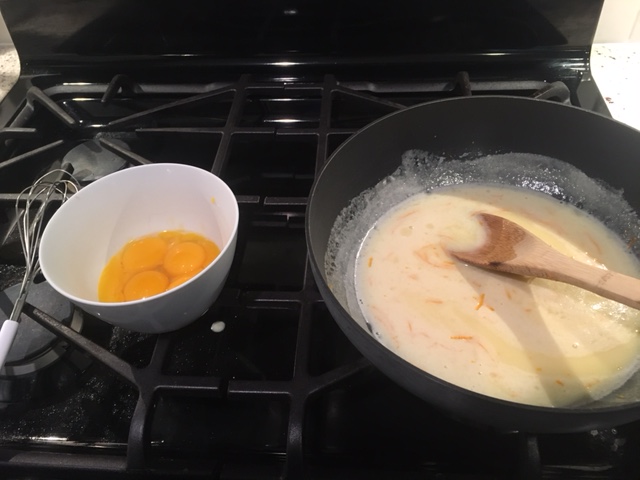
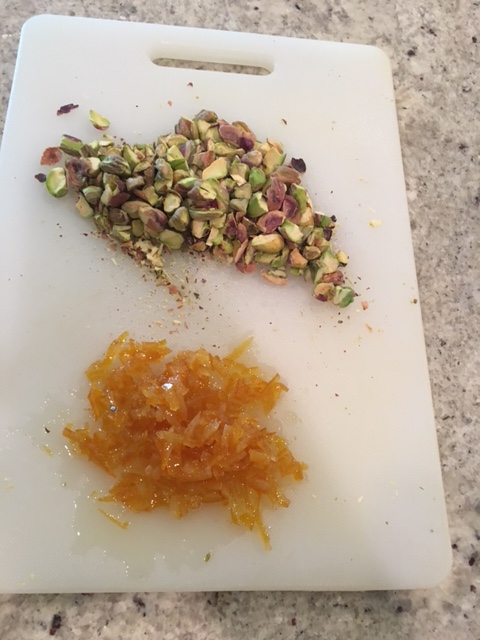
Put the half-and-half, sugar, honey, salt and orange zest in a medium pan and bring to a simmer. In two bowls, separate the eggs. Add some of the warm honey mixture to the eggs and whisk. Keep adding the liquid to the eggs until well blended then place it all back in the pan. In a clean bowl, add the heavy cream and put a strainer on top of the bowl. Bring the pan to a medium simmer and stir frequently until the mixture has slightly thickened. Pour into the bowl through the strainer. Add two teaspoons of the syrup from the candied oranges. Place the mixture in the fridge until completely chilled (I usually wait until the next day). Once chilled, put the ice cream base in an ice cream maker if you have one. When it is finished in the ice cream maker and you are scooping it into your container to freeze, spread the chopped pistachio and chopped orange peel throughout and freeze.

img_1537img_1538img_1539img_1540img_1541

Candied Orange Peel

So, with the results of 18 Brumaire, I wasn’t sure if I wanted to continue with this silly project. After some time away, I’ve decided that I enjoy this endeavor and it provides me a small respite from the news of the day.

We’ve skipped over a few days to reach orange – turkey, skirret, watercress, leadworts, pomegranate, harrow, baccharis, azarole and madder. If a different candidate had won, I would have probably tried my hand at turkey, watercress and pomegranate. I was halfway through a pomegranate love cake from Meera Sodha that looked promising. Perhaps I will attempt the rest next year.

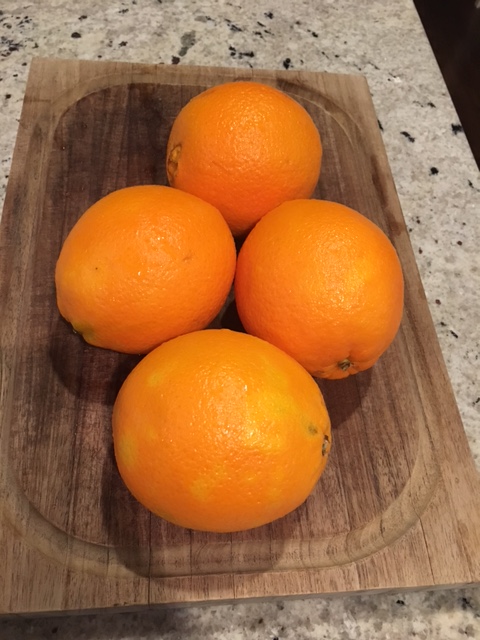
Today, 24 Brumaire, is for celebrating the orange. My recipe today comes from David Lebovitz’s The Perfect Scoop and is a two-parter. The candied orange peel will be an ingredient in an upcoming day’s ice cream recipe.

Candied Orange Peel 

4 oranges

2 cups water

1 cup sugar

1 tbs corn syrup

pinch of salt

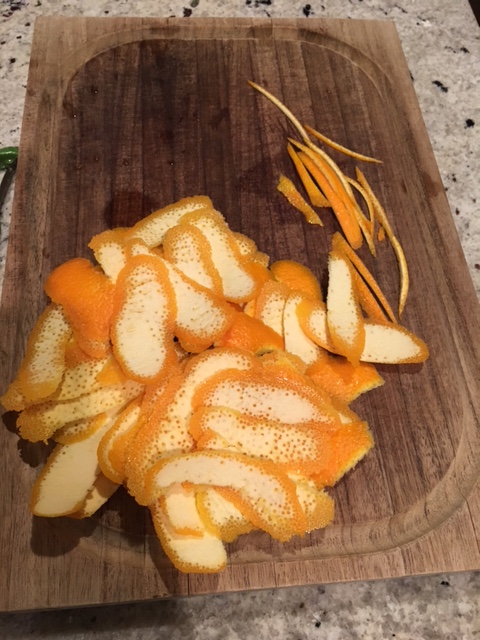
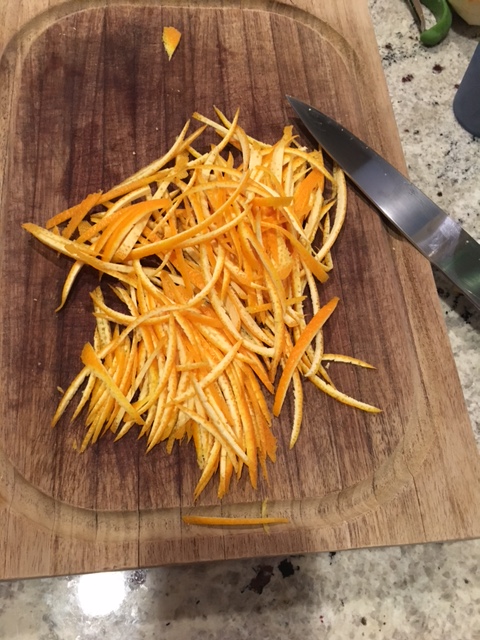
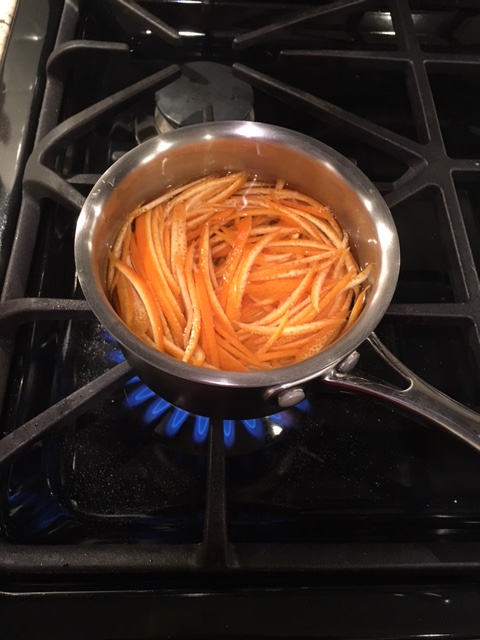
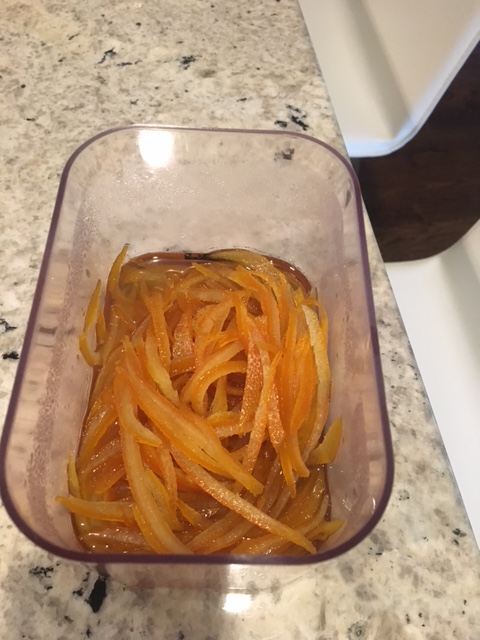
Peel off the skin of the oranges with a vegetable peeler and cut the peel into very thin strips. Place the peel strips in a small pan and cover them with water. Boil and then reduce to a gentle boil for 15 minutes. Then, strain the peel and rinse with fresh water. Add the 2 cups of water, sugar, and corn syrup to the pan and bring to a boil. Add the reserved peel and cook at a low boil for 25 minutes, until the mixture reaches 230 degrees on a candy thermometer or until the peel starts to look a little translucent and the liquid gets syrupy. Cool, and refrigerate in an airtight container.

img_1530img_1531img_1532img_1533img_1536

18 Brumaire

In 2016 (Gregorian), the US Presidential election fell on 18 Brumaire of the French Republican Calendar. In 1799, 18 Brumaire is remembered as the day Napoleon formed a coup to seize power from the Council of Five Hundred. While Napoleon used military force to arrest and subdue Republicans opposed to him, the coup was bloodless. The following day, his allies in the legislature appointed him provisional consul. From the Wikipedia entry: “Resistance by Jacobin officeholders in the provinces was quickly crushed. Twenty Jacobin deputies were exiled, and others were arrested.” In the days and years after 18 Brumaire, Napoleon further consolidated his power and had military success in Italy. In 1802, a new constitution was approved which declared Napoleon “First Consul for Life.”

In 1852, Karl Marx published an essay entitled, “Der 18te Brumaire des Louis Napoleon”. 

The first line of the essay is one of his most-quoted, “History repeats itself, first as tragedy, then as farce.”


Endive Salad

Happy Endive Day!

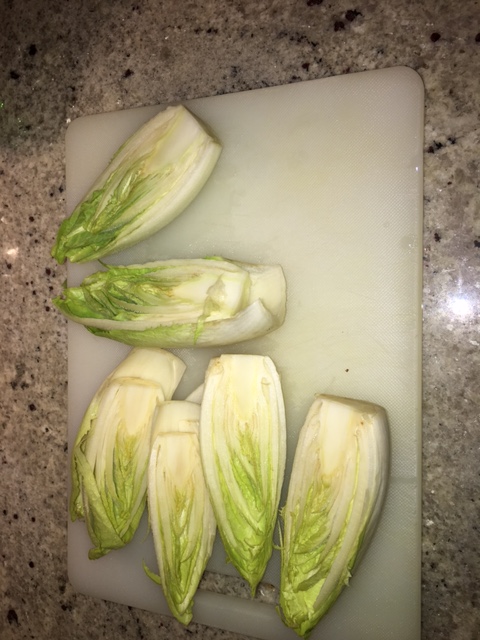
So, endives are seriously interesting. They are part of the chicory family and what we commonly think of as endives are Belgian endives. According to California Endive (which appears to be a shill for a specific endive producer in California) a Belgian, Jan Lammers (not the famous race car driver) stored some chicory roots in his cellar in 1830. He forgot about them for a few months and when he looked at them again, they had sprouted (in the dark, damp cellar) the leaves we currently associate with endive. When the chicory root is grown in the ground under full sun, the leaves look like this. So, modern production of Belgian endives go like this: the seed is planted in a field and allowed to grow a large chicory root and curly leaves. The leaves are mowed and the root is dug up. The root is transplanted in a dark, damp growing room and endives are then harvested.

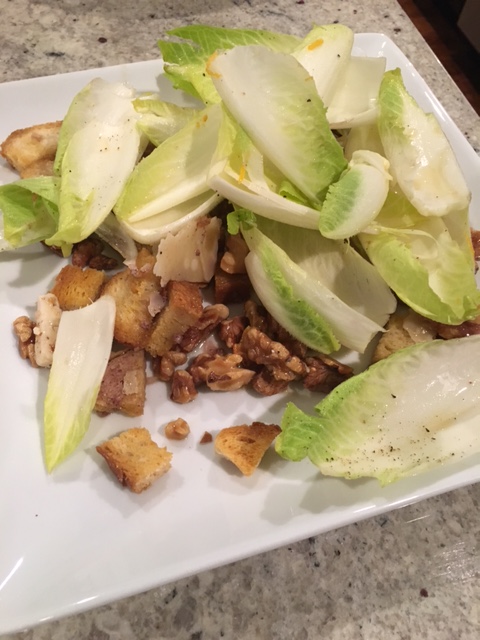
The salad I made today is via Bon Appetit and was delicious!

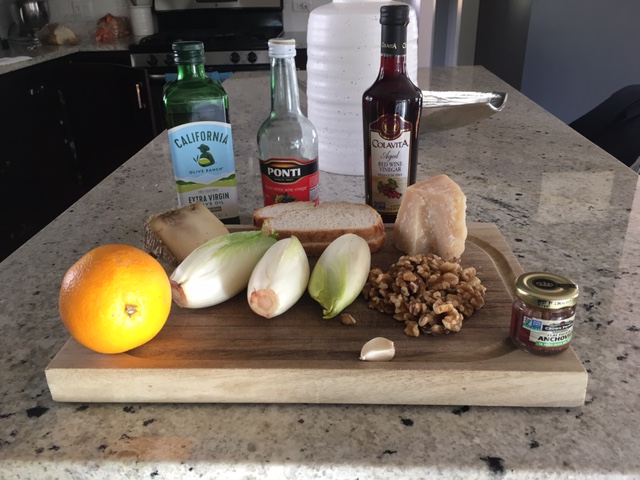
Endive and Walnut Salad 

1/2 walnuts

1 cup torn bread

4 anchovy fillets, diced

1 clove of garlic, diced

2 tbs red wine vinegar

1/4 cup Taleggio cheese, chopped

1/4 cup of Parmesan, shaved

3 Belgian endives

1 tsp orange zest

2 tbs fresh orange juice

1 tbs white wine vinegar

First, roast the walnuts in the oven at 350 for 8 minutes. Reserve the nuts. Then, toss the bread crumbs in two tablespoons of olive oil, a pinch of salt and pepper. Spread them on a pan and bake at 350 for 15 minutes, tossing once. Reserve.

Next, make the red wine vinaigrette. Add the anchovy, red wine, 4 tablespoons of olive oil, garlic, dash of salt and pepper to a small bowl and whisk.

Next, slice the endives in half and separate the leaves. Place in a medium bowl and toss with the white wine vinegar and the orange juice. Sprinkle the orange zest over.
Add the walnuts, breadcrumbs, taleggio and Parmesan to the red wine sauce. Toss and spread on a plate. Top with the endives and enjoy!
img_1500img_1502img_1504


Jerusalem Artichoke Soup

Merry Jerusalem Artichoke Day!

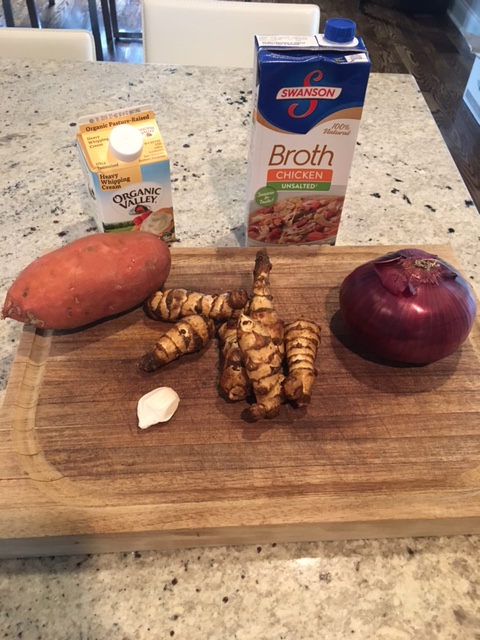
On the 13th of Brumaire, we celebrate the Jerusalem Artichoke. I have seen and heard of them more commonly as sunchokes. Wikipedia has an explanation of its name – it is neither related to Jerusalem or artichokes. The flower on the plant resembles a sunflower, which in Italian is girasole. This perhaps mutated into “Jerusalem” in English. The flavor evokes an artichoke, but is distinctly different.

I’ve done a riff on a Food Network Jerusalem Artichoke soup. I’ve used only a few sunchokes and added some sweet potato. It would be nice to slice them thinly also and roast with oil and salt.

Jerusalem Artichoke Soup 

3-4 sunchokes

1 cup of diced red onion

1 clove garlic

4 sprigs of fresh thyme

3 cups of vegetable stock (I used chicken)

1 sweet potato

1 cup of heavy cream

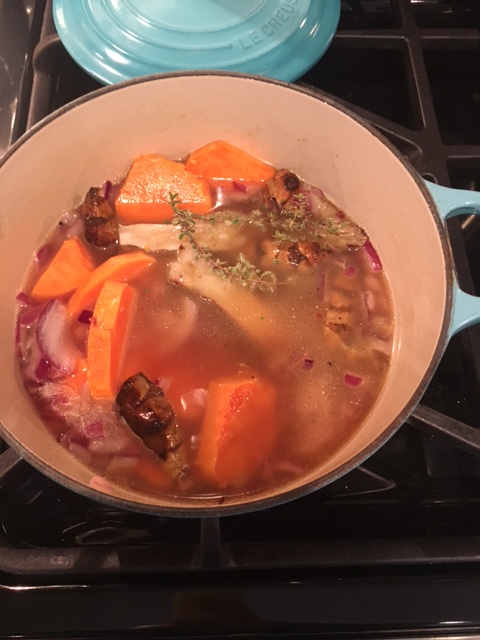
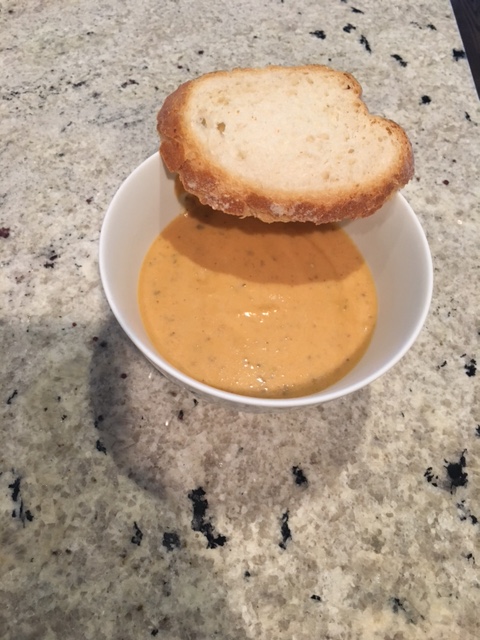
First, wash and dry the sunchokes. Drizzle some olive oil over them and the sweet potato and roast at 400 until tender (30 minutes – maybe longer for the potato). Slice the sunchokes and potato when they are done cooking. Add some olive oil to a medium sized pan and cook the onion and garlic for 5 minutes. Add salt and pepper. Then, add the thyme and cook for a minute until fragrant. Add the roasted sunchokes and sweet potato and the stock. Bring to a boil and then reduce to a simmer. Simmer for 30 minutes, uncovered. Once done, puree the mixture in a blender or food processor along until smooth. Add the heavy cream. Serve with some crusty bread and enjoy!

img_1481img_1482img_1483img_1484

Water Chestnut Rumaki

Happy Water Chestnut Day!

We’ve skipped over Plow Day and White Salsify day of Brumaire, Foggy Month. Salsify seems to be available in the U.S. in cans, but I was unable to find any in my usual grocery stores. Which brings us to water chestnuts! I’m pretty sure I’ve only had them sliced in Chinese food, so I attempted to use them in a slightly different way here. A popular dim sum dish is water chestnut cake which uses flour made from water chestnuts and sliced chestnuts. The end result is a translucent aspic of water chestnuts. Water chestnuts themselves do definitely resemble chestnuts, but are grown underground in marshes.

I’m using a Joy of Cooking recipe for water chestnut rumaki. Rumaki is a Don the Beachcomber/Trader Vic’s faux Polynesian dish. The water chestnuts are crunchy and an added bonus is – homemade teriyaki sauce!

Water Chestnut Rumaki 

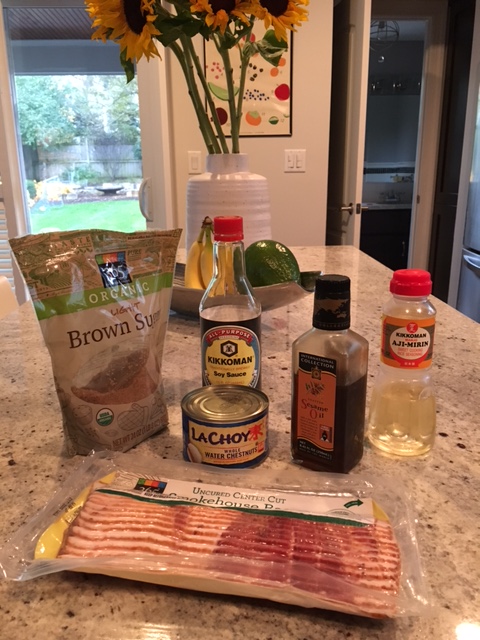
1 can of water chestnuts

1/2 cup soy sauce

1/4 cup water

2 tbs mirin

1/4 cup brown sugar

1/4 cup granulated sugar

2 cloves garlic, minced

1 tbs ginger, minced

3 strips of bacon

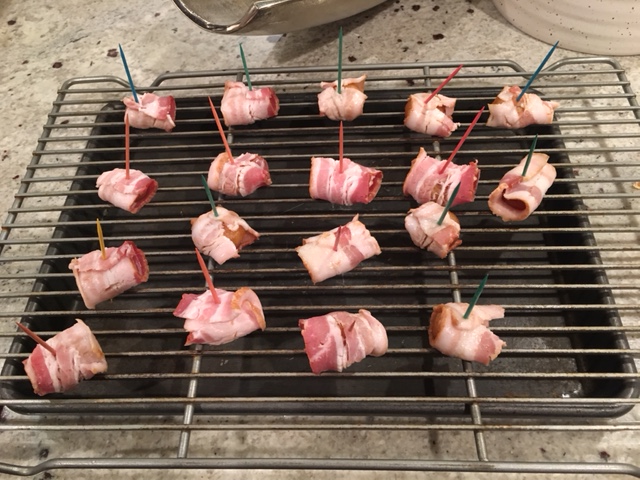
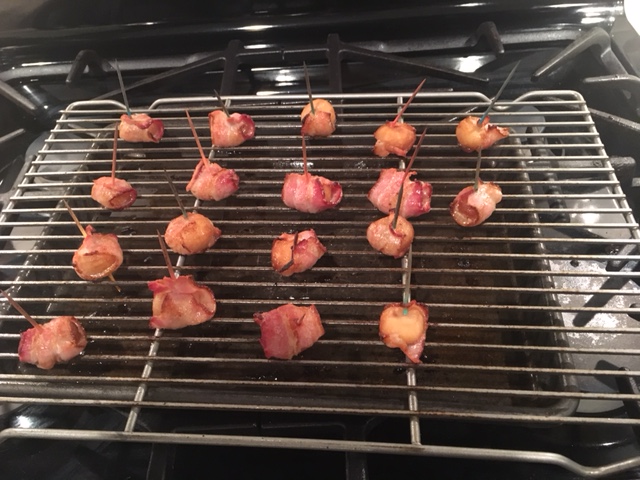
First, make the teriyaki sauce – combine the soy sauce, water, mirin, sugars, garlic and ginger in a small saucepan and bring to a boil. Let it simmer until the sauce has reduced and become syrupy. Drain the can of water chestnuts and marinate with two tablespoons of sauce for 20 minutes in a small bowl. Meanwhile, arrange a cooling rack over a baking tray and slice your bacon strips into three or four pieces each. After the 20 minutes are up, wrap a piece of bacon around each chestnut and pin with a toothpick. Place the wrapped water chestnuts on the tray and cook under the broiler until the bacon looks crisp. Enjoy!

img_1489img_1490img_1492img_1493