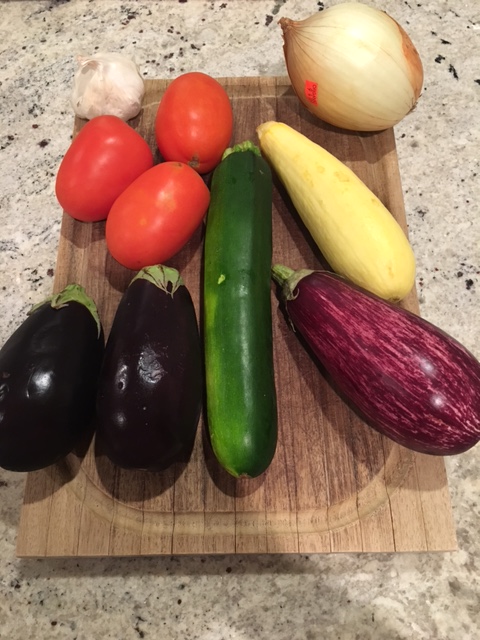
Eggplant Ratatoille

Joyeux jour d’Aubergine!

Turns out that the first variety of eggplant cultivated in England was white in color and because of the cold weather (eggplant is native to Asia and was widely cultivated in the middle east at the time) only grew to the size of a goose egg.

Today’s dish was easy to decide upon because to me, eggplant + France = ratatouille. Here is Julia Child’s recipe, which follows the more traditional route of cooking each vegetable separately and then combining them in a platter and cooking it in the oven to form a melange. Turns out the ratatouille in the film Ratatouille is actually confit byaldi.

Ratatouille

1 lb eggplant

1 lb zucchini

1 tsp salt

4 tbs olive oil, or more

1 1/2 cups of thinly sliced yellow onions

2 cloves mashed garlic

1 lb firm tomatoes

3 tbs minced parsley

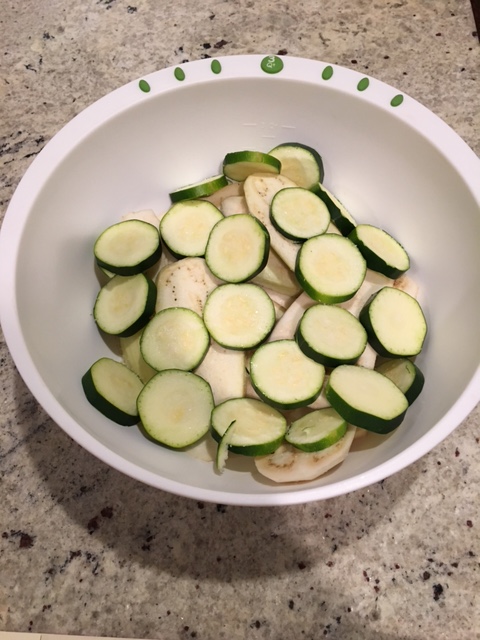
First, peel the eggplant and cut in long, lenghtwise slices 3/8 inch thick. Slice the zucchini into slices about the same size as the eggplant slices. Put the veggies in a bowl and toss with 1 teaspoon salt. Let them sit for 30 minutes to loose some of their moisture. I am not persuaded that this technique really get rids of *that* much water, but I did it anyway.

While waiting on the eggplant, pulp the tomatoes. Boil a small pan of water, slice an “x” on the top of each tomato and plop into the boiling water for 30 minutes. Once they are cool enough to touch, peel the skin. Then, slice in half and gently remove the pulp. Slice the pulp into 3/8 inch strips.

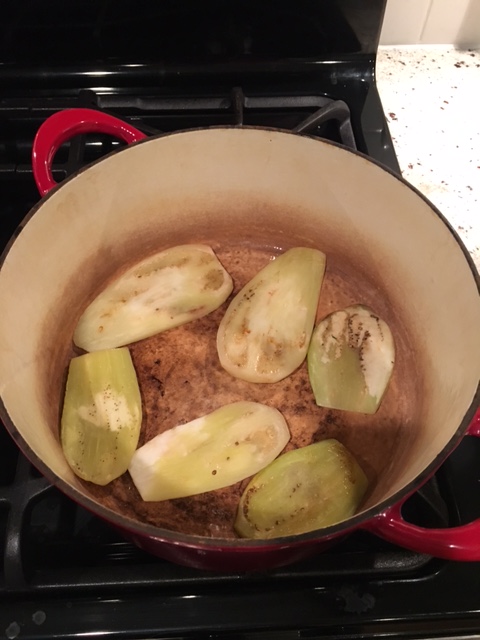
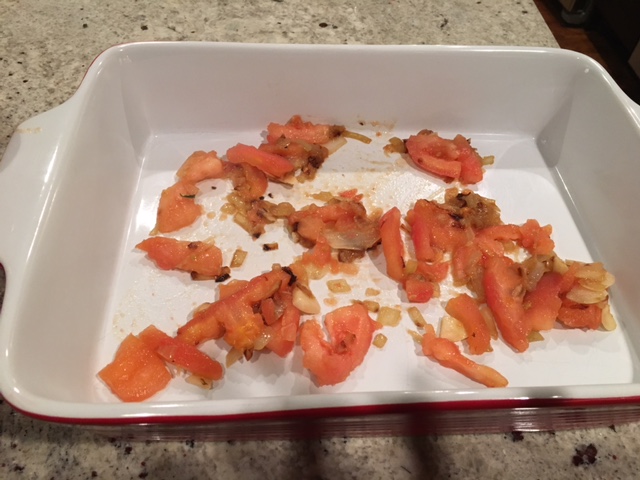
In a skillet, saute the e eggplant and then the olive oil until browned very slightly. Set aside. In the same pan, cook the onion in olive oil for about 10 minutes. Add the garlic. Season with salt and pepper. Add the tomato to the top of the onions. Cover and simmer for 5 minutes.

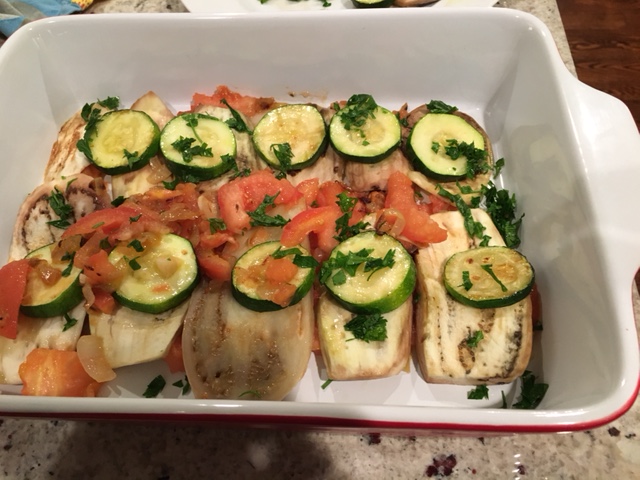
Arrange the casserole – put a third of the tomato/onion mixture on the bottom, sprinkle 1 tablespoon of parsley. Then add half of the eggplant and zucchini. Repeat. Cover the casserole and cook at 275 for 15 minutes. Enjoy! img_1356img_1357img_1358img_1359img_1360
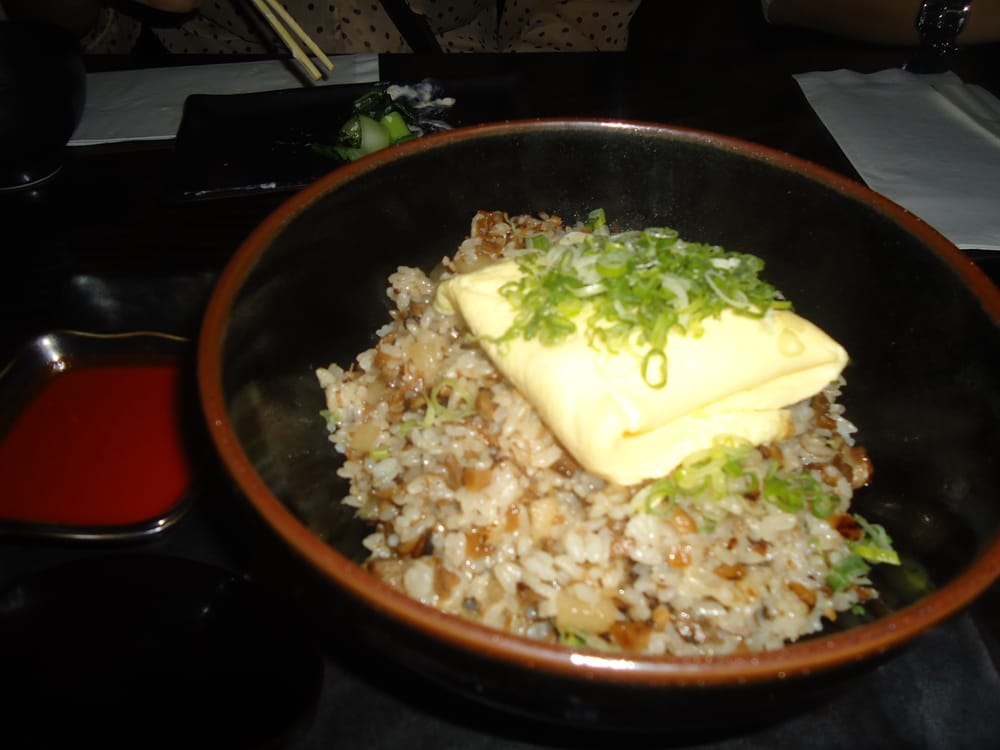
Oxtail Fried Rice

Happy Beef day!

So, my lovely and delightful French Republican Calendar translated today’s celebratory fauna, boeuf, as “ox.” When I glanced at the week to prepare recipes, I saw “ox” and immediately thought of the delicious oxtail fried rice I had at Blue Ribbon Sushi in Las Vegas. Only today when looking at the calendar again did I notice that the french word for 25 Grape Harvest is boeuf. Without a Larousse in front of me, my riff on this is that “boeuf” as an animal is translated as ox, but as a food, would more naturally be translated as beef. One thinks immediately of boeuf bourguignon. At any rate, no harm done. I’ve attemted to reconstruct the delicious fried rice and I think I was mostly successful.

For whatever it’s worth (and bringing if full circle, linguistically) we were having dinner at Boeufhaus and at the empty table next to us, the hostess sat Hot Doug and Mindy Segal. It was the greatest night of Darius’ life. They talked about their favorite restaurants in Vegas and NYC and Darius and I eavesdropped terribly. They both agreed that the ox tail fried rice at Blue Ribbon was amazing.

Ox tail Fried Rice 

1/4 lb ox tail

1/2 cup beef stock

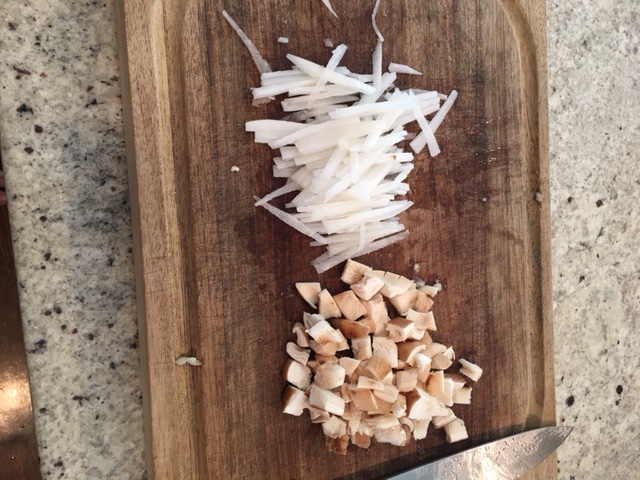
1/2 cup of diced shiitake mushrooms

2 tbs Soy sauce

2 tbs mirin

1 tbs sesame seed oil

1/2 cup slivered daikon

2 cups day-0ld cooked rice

scallions

For the egg

1 egg

1 tbs water

1 tsp sugar

1 tsp corn starch

dash of salt

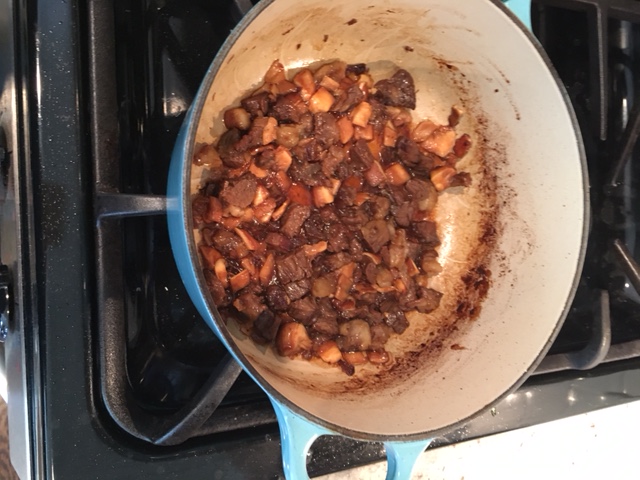
First, brown the pieces of ox tail in a hot pan with some canola oil. When sufficiently browned, transfer to a oven-proof pan and add the beef stock. Cover and cook at 350 until the meat is tender. Remove and let cool and then cut the meat off the bone. Set aside.

For the egg crepe, whisk together the egg, water, sugar, corn starch and salt. Pour the mixture through a sieve to get rid of some of the egg solids. Heat a pan you prefer to use to make crepes with a small amount of canola oil. Your egg mixture will make three egg crepes. Pour a third of the mixture and cook for thirty seconds and then flip the crepe. Repeat x 2 for extra crepes.

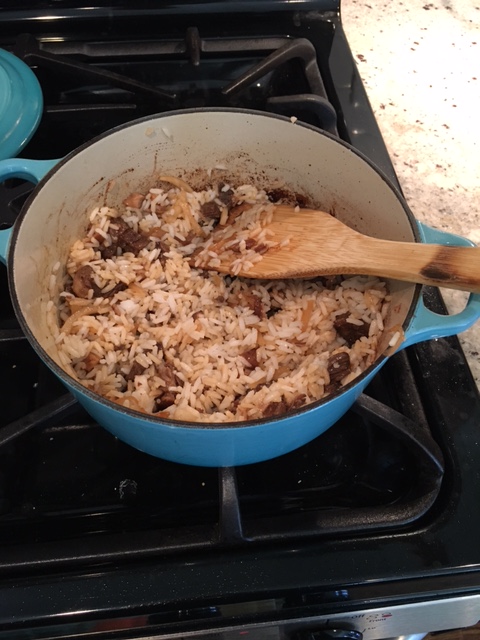
In a larger pan, heat a tablespoon of oil and then add the cooked ox tail pieces. Cook until heated through and then add the mushrooms. Cook for five minutes. Then add the soy sauce and the mirin. Let the mushrooms absorb the sauce and add the daikon. Cook for a minute and then add the rice. Cook for 3-5 minutes and add the sesame seed oil. Pour the rice onto a platter and add the egg crepe on top and the scallions. Slice the egg finely before serving. Enjoy!
img_1339img_1340img_1341img_1342img_1353


Turnip Casserole

Happy Turnip Day!

Grape Harvest month has so far celebrated two vegetables I am not a great fan of – parsnips and now, turnips. I know there will be a lot of pushback on this, so I have taken the challenge proposed by Julia Child in Mastering the Art of French Cooking. In the intro to navets a la champenoise (turnip casserole) she says, “People who disdain the turnip almost invariably revise their opinion after tasting this dish.” We’ll see, Julia!

I will point out that an idiomatic use of “navet” is a flop. As in, “I saw that show and it was un navet.”

Turnip Casserole

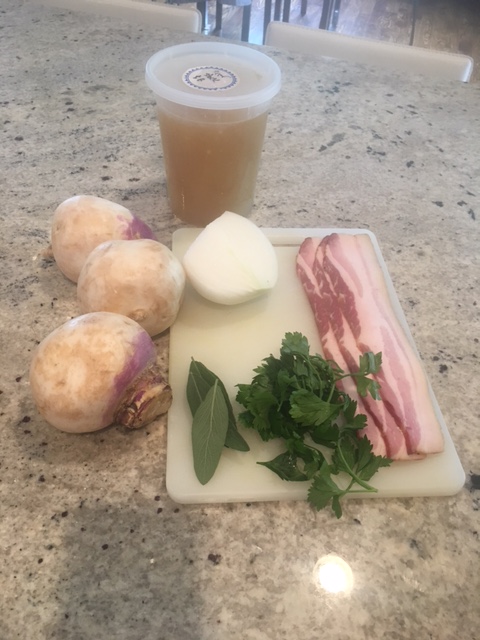
2 1/2 lbs of turnips

1/4 lb of bacon, cut into pieces

1 tbs butter

2/3 cup finely diced onions

1 tbs flour

3/4 cup beef stock

1/4 tsp sugar

1/4 tsp fresh sage

1 tbs minced parsley

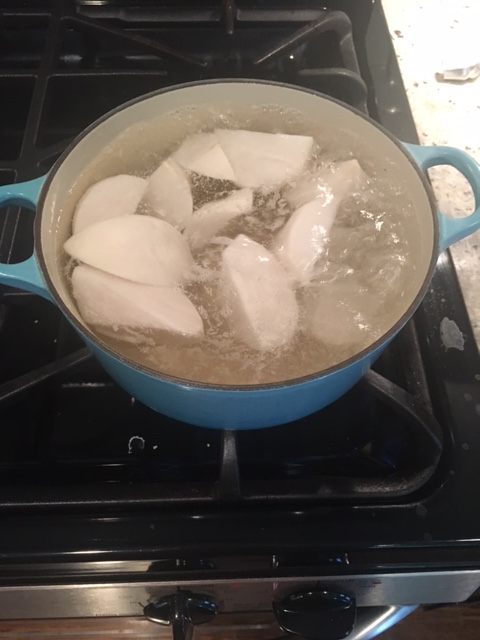
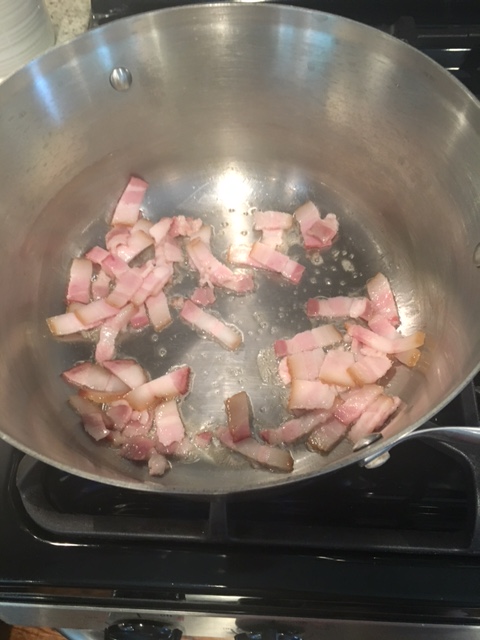
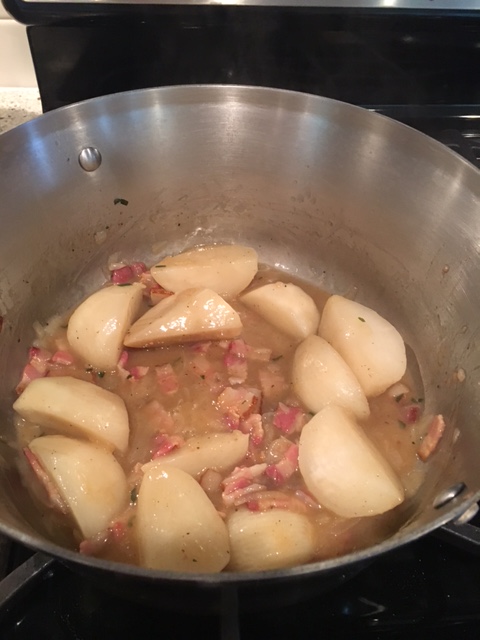
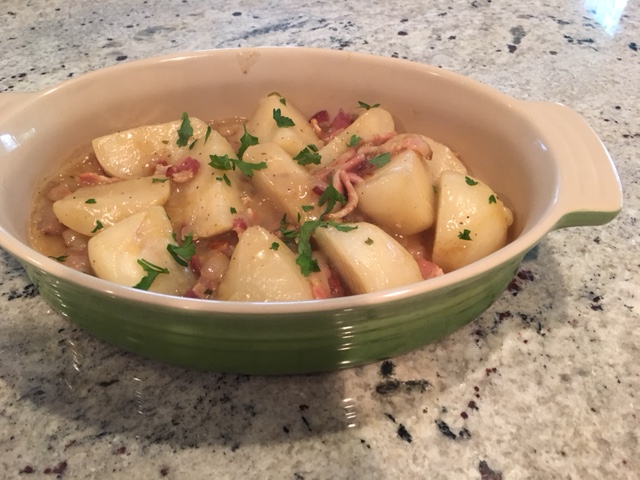
Bring a pot of salted water to a boil and begin peeling the turnips. Quarter the turnips and boil for ten minutes. Remove from the water. In a separate pan, cook the bacon in 1 tablespoon of butter. When the bacon is lightly browned, add in the diced onion. Cook the onion for 5 minutes, then add the flour and cook for 2 more minutes. Add the beef stock, sugar, salt and pepper to taste and sage. Bring to a simmer and add the turnips. Cover the pan and simmer for 20 to 30 minutes. Sprinkle with parsley and serve. Enjoy?

img_1331img_1332img_1334img_1335img_1337


Peach Crumble

Joyous Peach Day, everyone!

This is a simple, tried and true crisp recipe that I have been using for a number of years. I saw it on Orangette via the kitchn. She used plums and I have used a mix of peaches and plums here. It’s super easy and always turns out great.

I was trying to remember a factoid about peach pits, but in tracking it down, realized it was about apricots instead. It comes to me from David Lebovitz‘s Ready for Dessert description of amaretti cookies. He says that authentic amaretti cookies in Italy are made with apricot kernels rather than almonds. In looking a little further, there is a New York Times article about “bitter almond” ice cream where the almond flavor comes from apricot pits. There is a quote about how one chef first learned how to use the kernel from a former chef of Chez Panisse, which is where, of course, the inestimable David Lebovitz once worked. Don’t eat apricot kernels, though.

Peach Crumble 

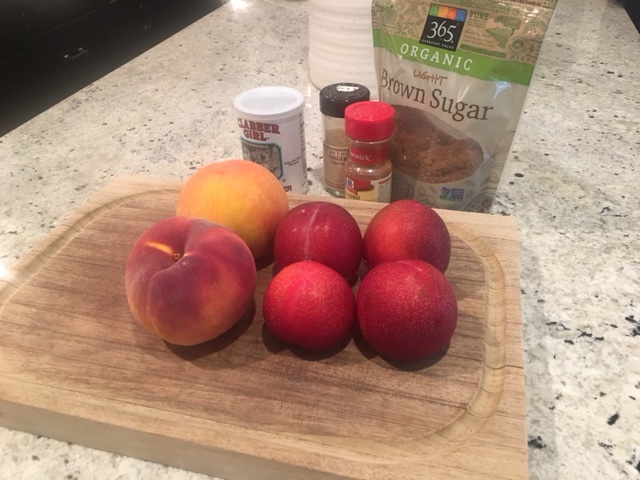
Several peaches, plums, berries, or combination of all (I used two large peaches and four small plums)

For the fruit 

2 tbs brown sugar

1 1/2 tbs flour

1/4 tsp cinnamon

1/4 tsp ground ginger

1/8 tsp salt

For the crumble: 

3/4 cup granulated sugar

1 cup flour

1/2 tsp cinnamon

1 tsp baking powder

1/4 tsp salt

1 egg, beaten

1 stick of butter, melted

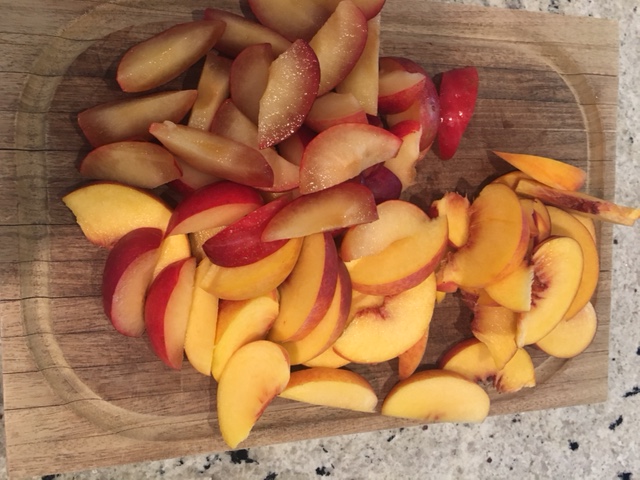
Heat the oven to 375. Slice the fruit and start making the mixture for the filling. Mix together the brown sugar, flour, and salt. Spread over the fruit in a bowl and then arrange the fruit in a deep dish pie plate.

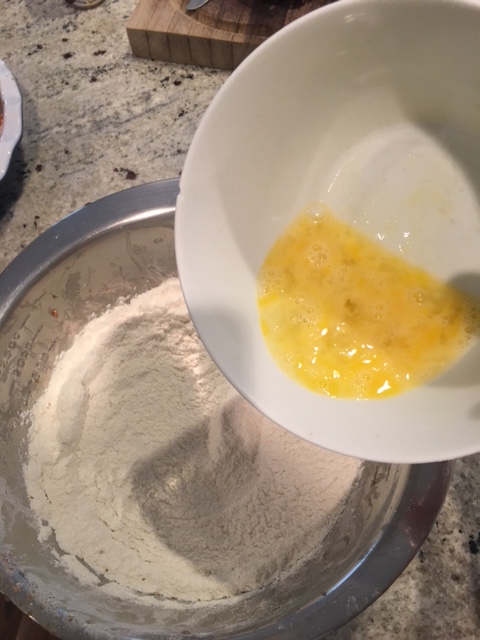
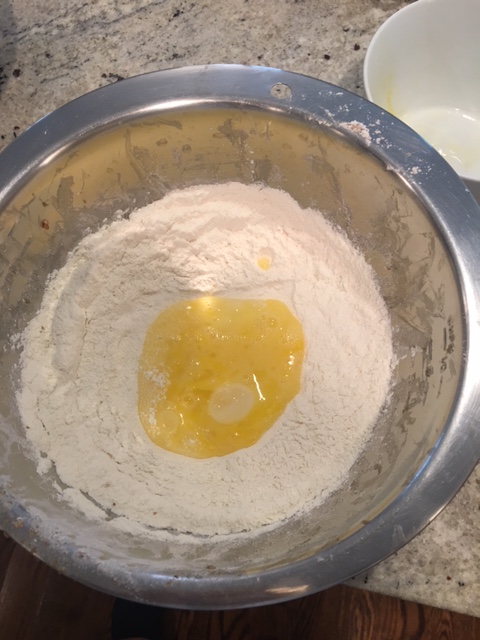
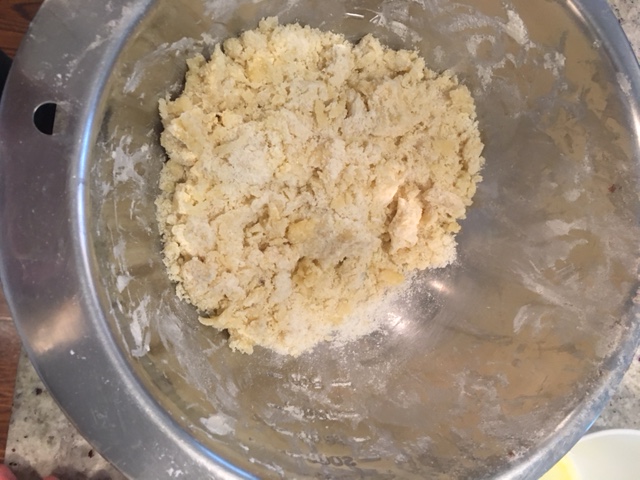
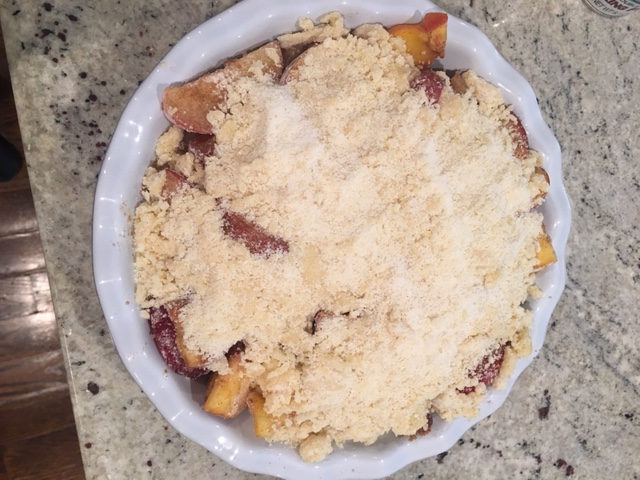
Next, the crumble topping. Add the sugar, flour, cinnamon, baking powder and salt and mix thoroughly. Add the egg and mix with your hand so that the the crumble is pretty soggy. Spread this over the fruits in the pie plate.

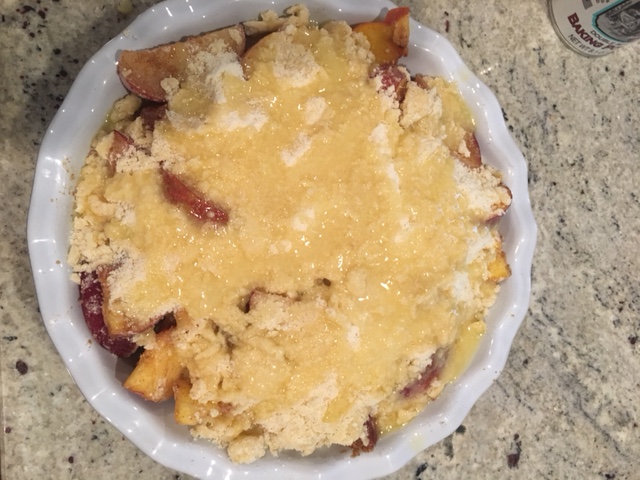
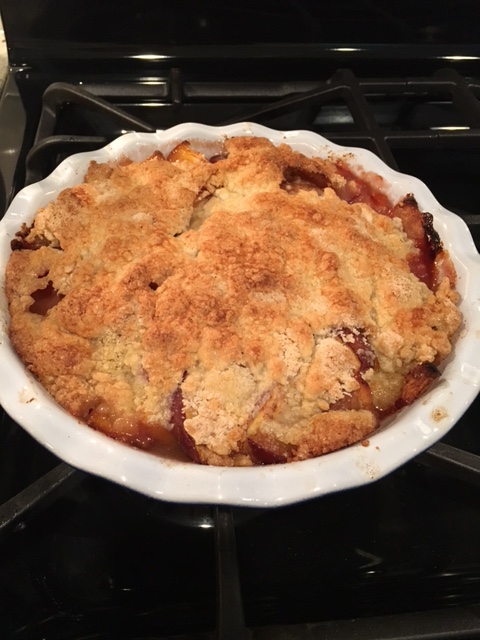
Then, gently pour the melted butter over the flour topping. Bake for 35 – 45 minutes until the topping is golden brown. Enjoy!
 

img_1312img_1313img_1314img_1315img_1316img_1317img_1318img_1320


Fudgy Pudgy Brownie

Happy Hemp day!

We have skipped over wine press day (20 Grape Harvest) and are here to celebrate hemp. By a complete coincidence, while making this, I listened to Fresh Air’s Wednesday show which was about the history of cannabis in America. Does Terry also order her life via the French Republican Calendar??? A question for the ages.

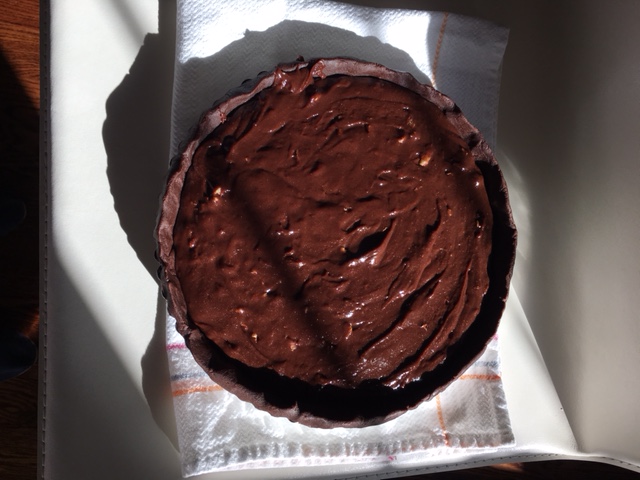
I have no hemp recipes in my repertoire, so I present to you this delicious brownie. We return to Rose Levy Beranbaum and her delightful brownie tart with a chocolate crust. Do with it what you will.

Fudgy Pudgy Brownie Tart 

For the crust 

1 stick butter

1 1/2 cups all-purpose flour

1/4 cup plus 1 tbs cocoa powder

Pinch of salt

3/4 cup powdered sugar

1 large egg

For the filling

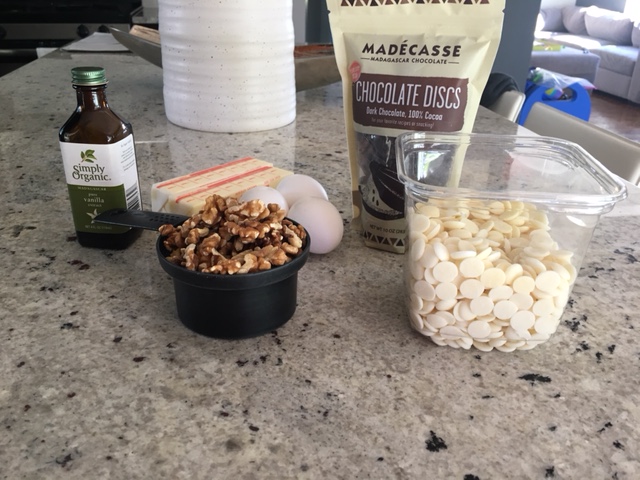
1 cup walnut or pecan halves

1 1/2 sticks butter

5 ounces 99% cacao chocolate

3 ounces white chocolate

3 1/2 tbs cocoa powder

1 1/3 cups sugar

3 large eggs

1/2 tbs vanilla extract

3/4 cup flour

pinch of salt

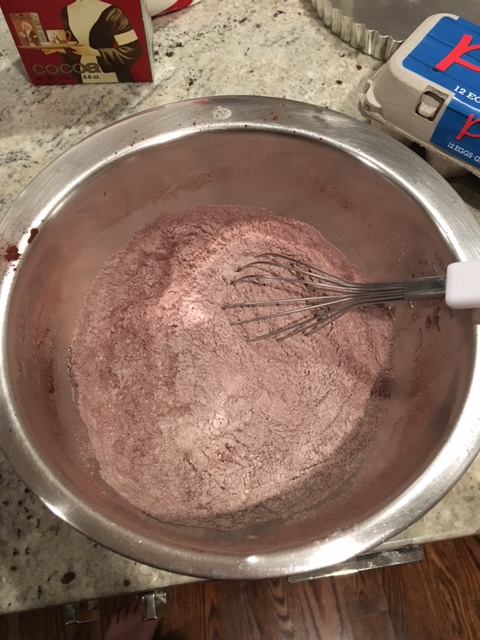
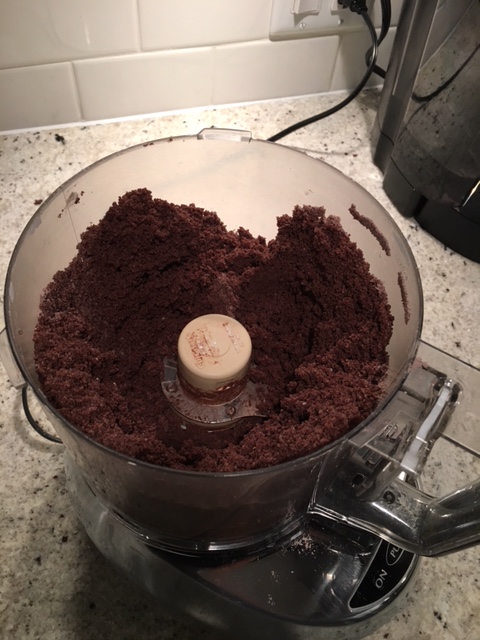
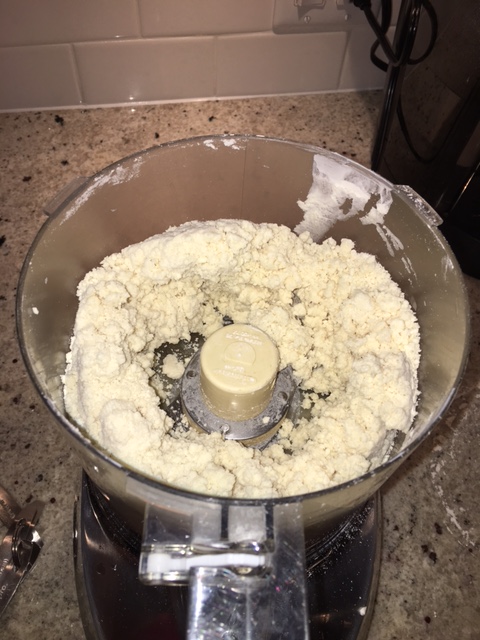
First, cut the butter into small cubes and chill. Sift together the flour, cocoa and salt. I rarely sift, but will always sift when using cocoa powder – those lumps won’t ever come out otherwise! Using a food processor, pulse the butter and the powdered sugar. Then, add the cocoa mixture. Add the egg and pulse until just combined. Rose has a very specific method of further mixing the dough in a zip lock bag. I did this the first time I made one of her recipes and then never again. I’m sorry, Rose!

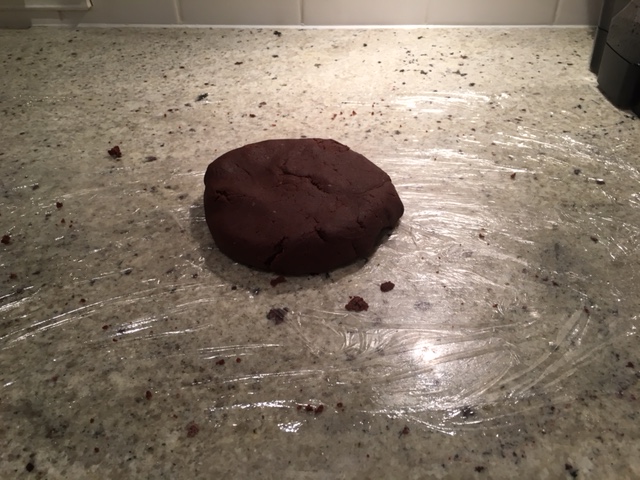
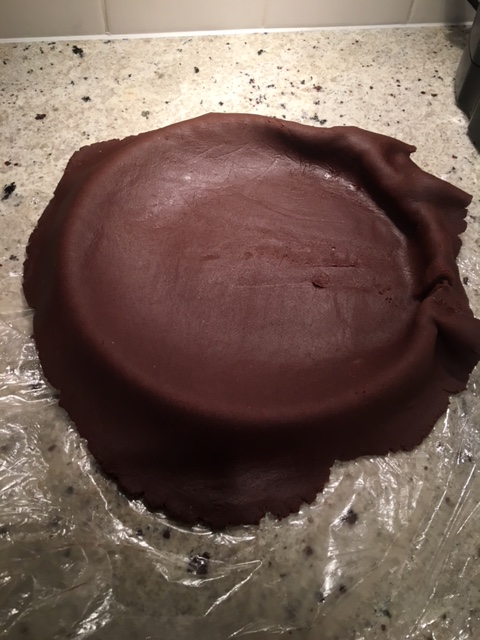
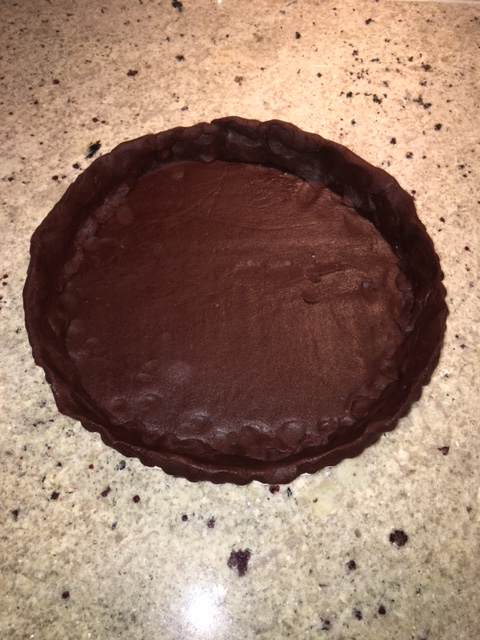
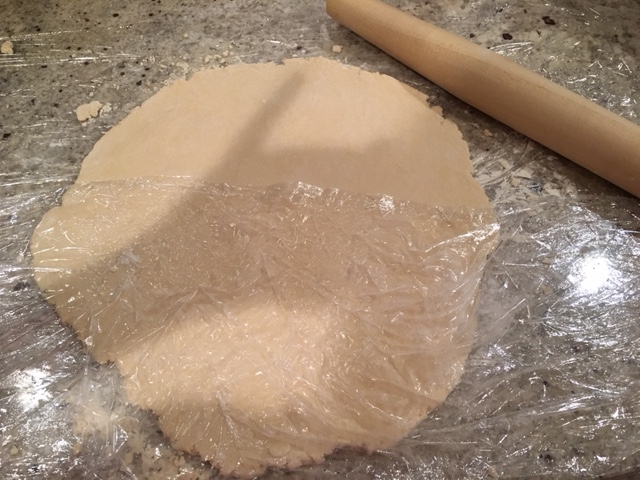
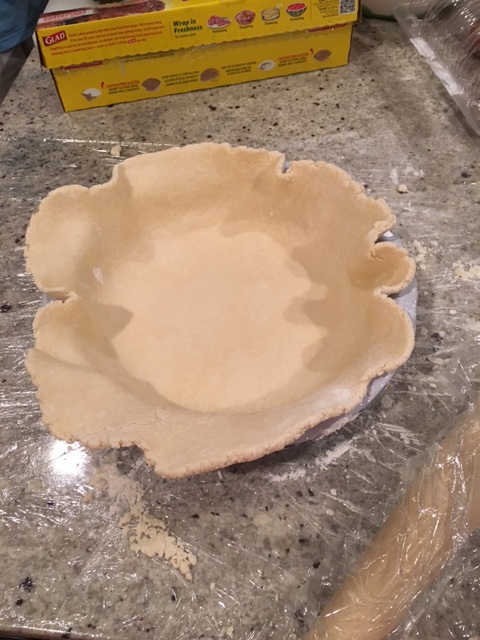
Press the dough into a small disk, wrap with plastic and chill in the fridge for 30 minutes. Spread plastic wrap on the counter and roll out the disk with another slice of plastic wrap on top. Rose has another very specific method of placing dough in a tart pan. Again, I did this with the first tart I made from her book and it worked perfectly, but I didn’t feel the added steps were necessary to move the dough into the pan. Apologies! Spray the tart pan with cooking spray and spread the dough so that there is about an inch over hang. Fold in the over hang inside the pan to give a thicker side crust. Chill the dough while you work on the filling.

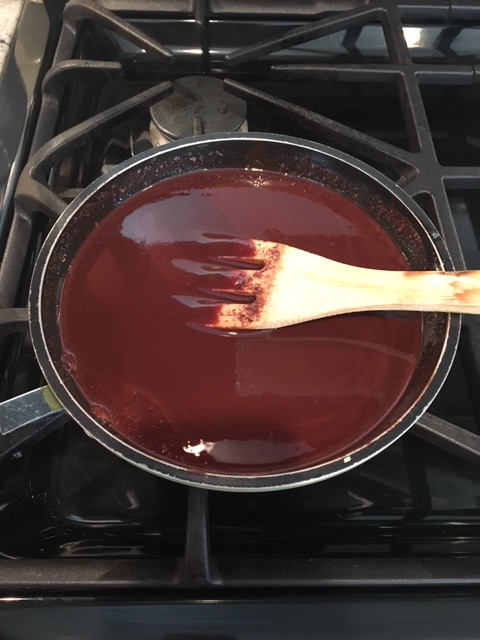
Heat the oven to 325. Toast the walnuts if you like. Rose, of course, instructs you to melt the chocolates and butter over a double broiler. I do not own a double broiler and have never really seen the need to. I fully melt the butter, then add the dark chocolate (I found some 100% cacao), white chocolate and cocoa powder. I turn off the heat, mix the chocolates into the hot butter until everything is all melted.

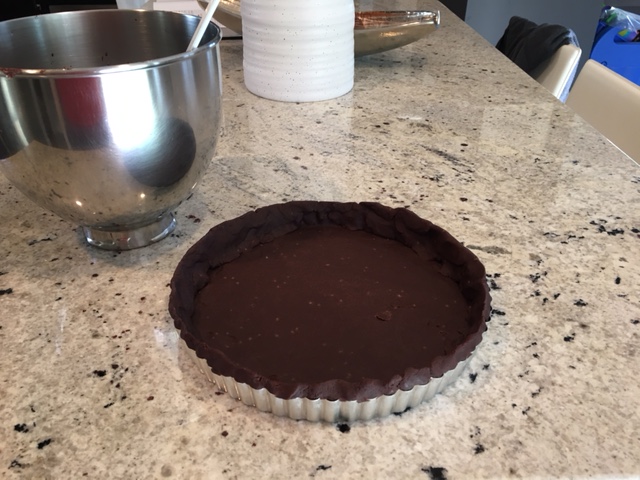
Pour the chocolate mixture into an electric mixer and add the sugar. Whisk until blended. Then add in the eggs and vanilla. Add the flour and salt and whisk just a little. Fold in the walnuts. Pour the batter into the tart crust and bake for 35 to 45 minutes. Let it chill until cool and then unmold the tart pan. You can set the tart on top of a can or a cup and gently push the outer rim downward so it slips off easily. Enjoy!
img_1299img_1300img_1301img_1302img_1303img_1305img_1306img_1307img_1308


Tomato Salad with Sunflower Seeds

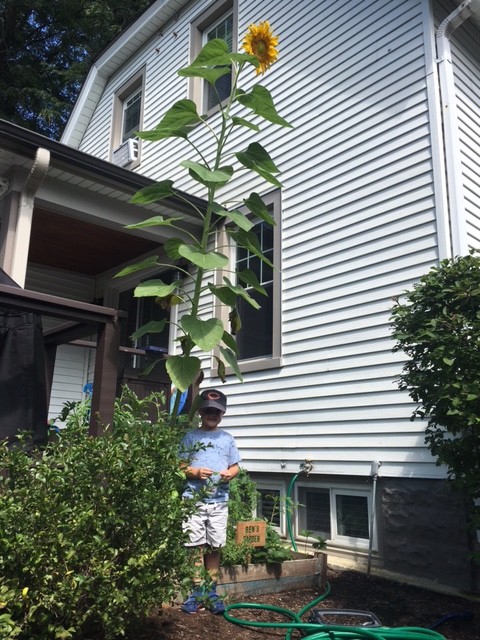
Happy sunflower day! Our sunflower collapsed under its own weight several weeks ago. The National Sunflower Association (NSA) has a brief history of sunflowers on their site. Native to North America, sunflowers were grown in Europe around the time of the French Revolution for ornamental value. By 1830, Russia was the leader in sunflower cultivation for oil. Thanks to the International Sunflower Association, we may all aspire to the V.S. Pustovoit Award, “the highest honour conferred to individuals working in the Sunflower Industry.”

For sunflower day, I riffed on a dish we had recently at Monteverde. It combines tomatoes and peaches, both in season at the same time. Monteverde added sesame seeds to their dish, so I’ve substituted sunflower seeds here. It’s delicious!

Tomato Salad with Sunflower Seeds 

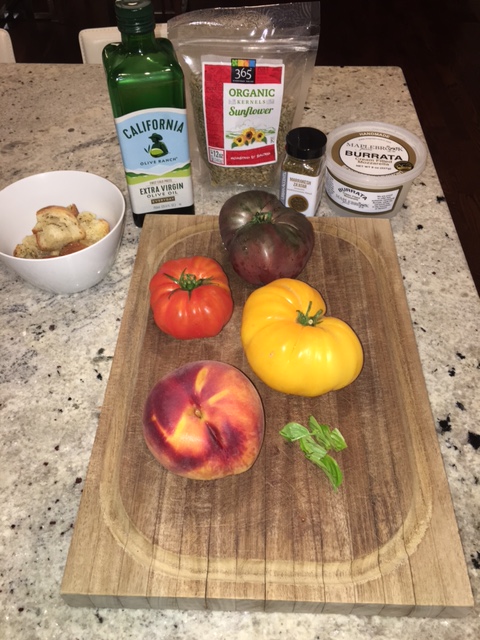
3 heirloom tomatoes (or several cherry tomatoes of different colors)

1 ball of burrata

1 small peach

handful of croutons

2 tbs sunflower seeds

1/2 tsp za’atar

4 basil leaves

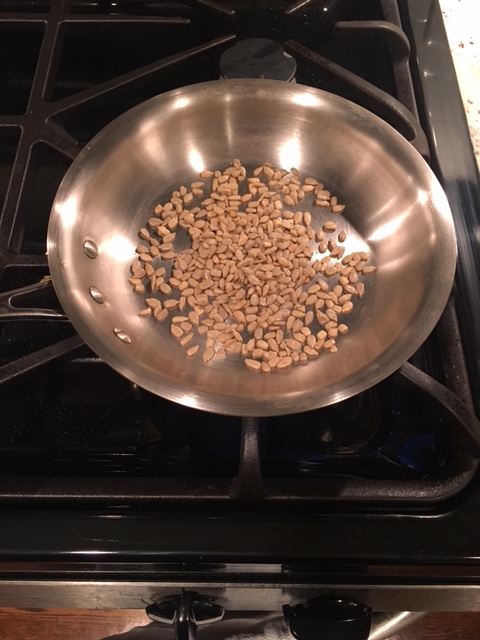
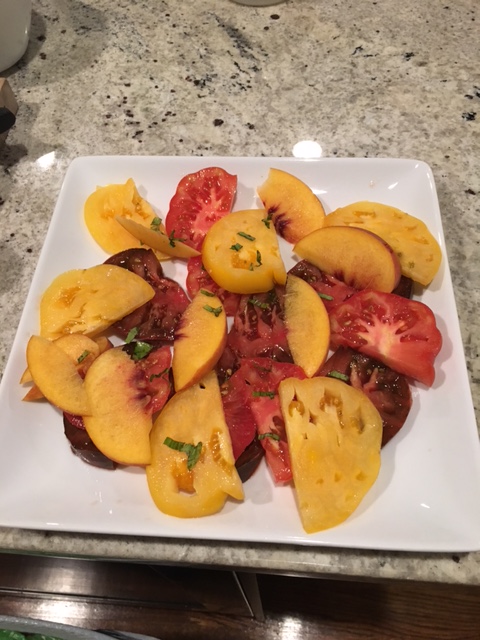
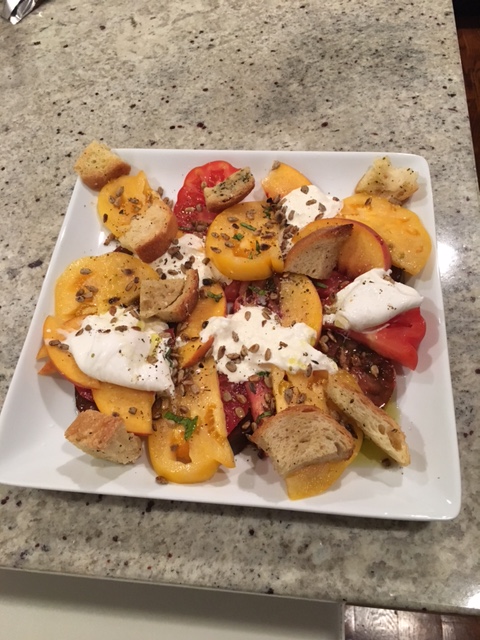
First, toast the sunflower seeds for a few minutes until fragrant. Add the za’atar to the warm seeds. Slice the tomatoes and peach thinly and arrange on a plate. Spread the burrata around and pour olive oil over it all. Add the sunflower seeds, croutons and basil. Finish with a pinch of salt. Enjoy!
img_0992img_1293img_1294img_1295img_1296

Buckwheat Crepes

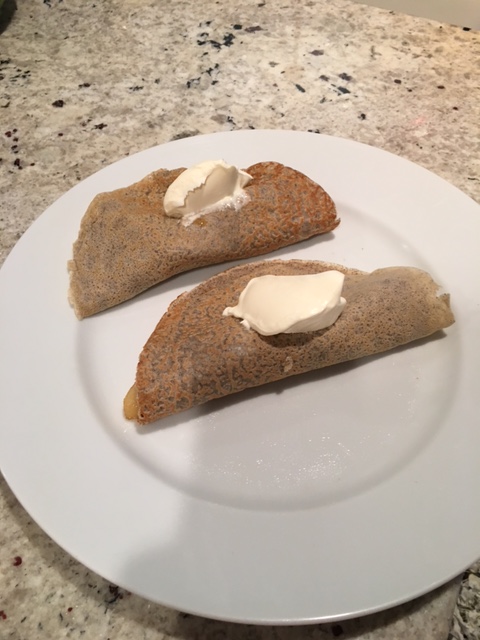
The eighteenth day of Grape Harvest month celebrates buckwheat! Buckwheat, it turns out, is not a type of wheat but rather a seed and related to sorrel and rhubarb. The internet tells me this would make it gluten free, but the recipe I came up with for crepes ended up using all purpose flour. I tried a straight buckwheat crepe recipe from Bon Appetit, but found it inedible. I switched to a 4:1 ratio of all purpose flour to buckwheat and it was much more appetizing. A true galette de bretagne would be folded over the filling to make a square shape – just so.

Pear Ginger Buckwheat Crepes 

1 cup all purpose flour

1/4 cup buckwheat flour

3 eggs

1/4 cup vegetable oil

3/4 milk

1 tsp salt

1 cup water

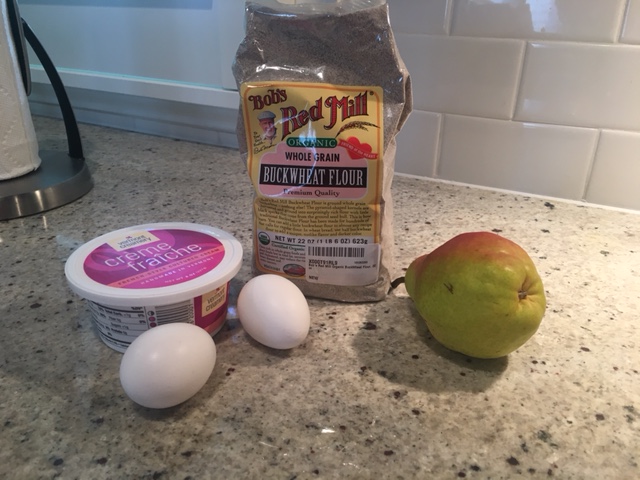
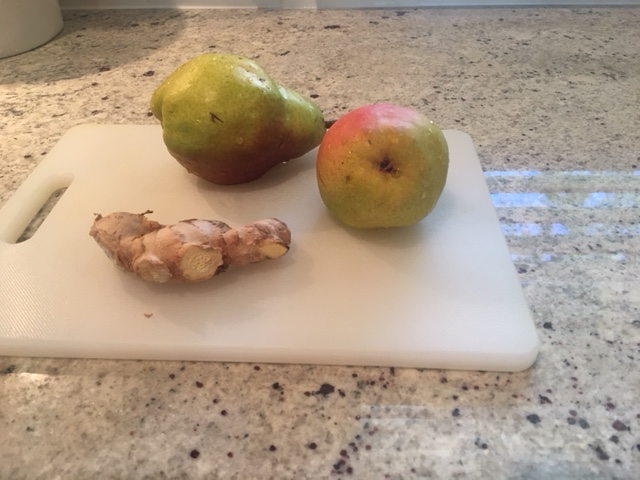
2 pears

1 tsp minced fresh ginger

1/4 cup brown sugar

creme fraiche

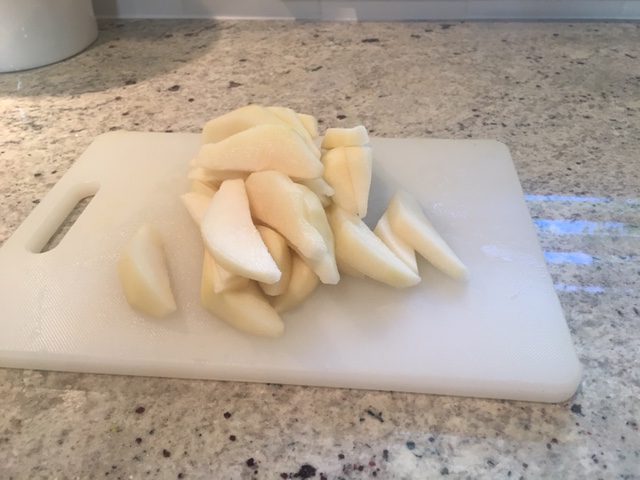
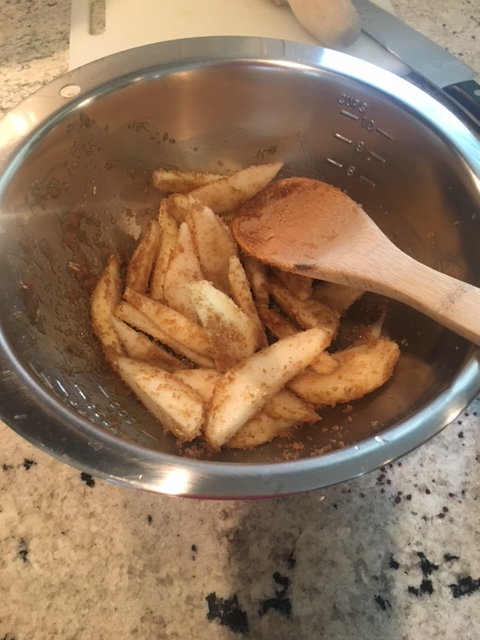
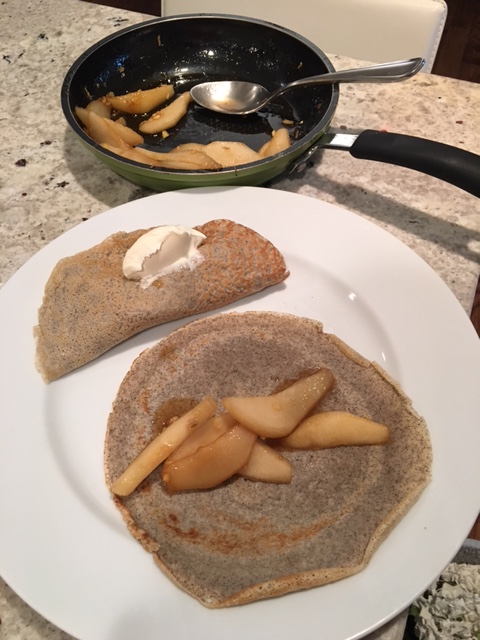
First slice the pears and mince the ginger. Put both into a bowl and mix with the brown sugar. Let the mixture set and macerate while you make the crepe batter.

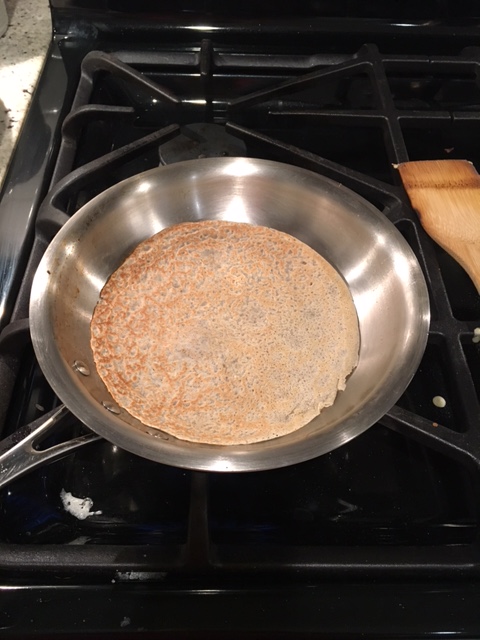
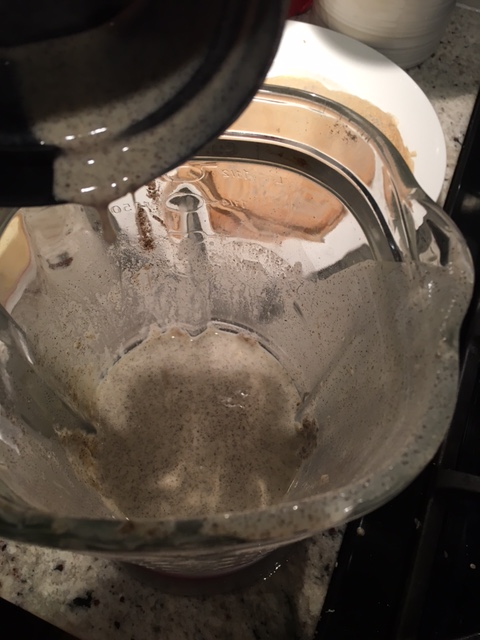
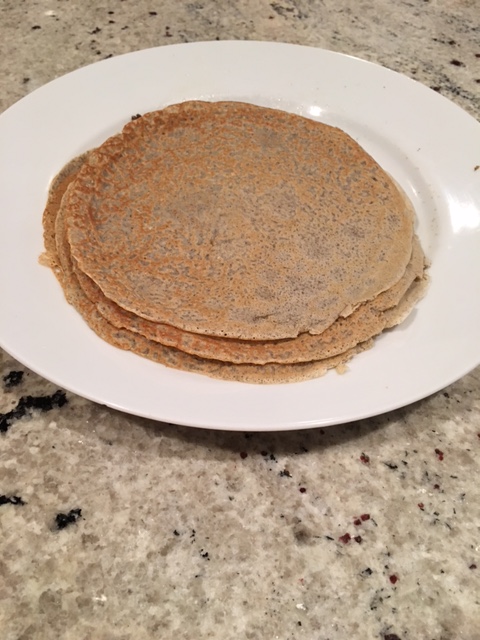
In a blender, add the two flours, eggs, oil, milk and salt. Blend until smooth. Put the mixture in the fridge for at least 30 minutes. When you’re ready to make the crepes, heat a pad of butter in your crepe pan of choosing. Thin the batter as needed with the water. I used almost the whole cup after making some test crepes.

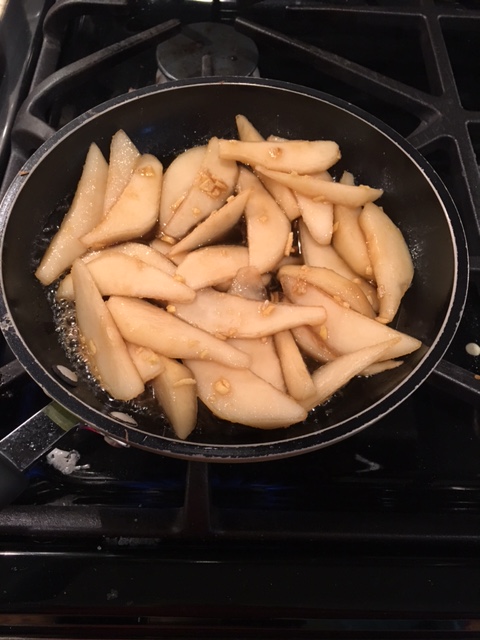
While you make the crepes, pour the pear mixture into another pan and cook until bubbling. Add the pear mixture to the finished crepes and top off with creme fraiche. Enjoy!
img_1263img_1264img_1265img_1266img_1267img_1268img_1269img_1270img_1271img_1272


Pumpkin Pecan Pie

Mes gentilhommes,

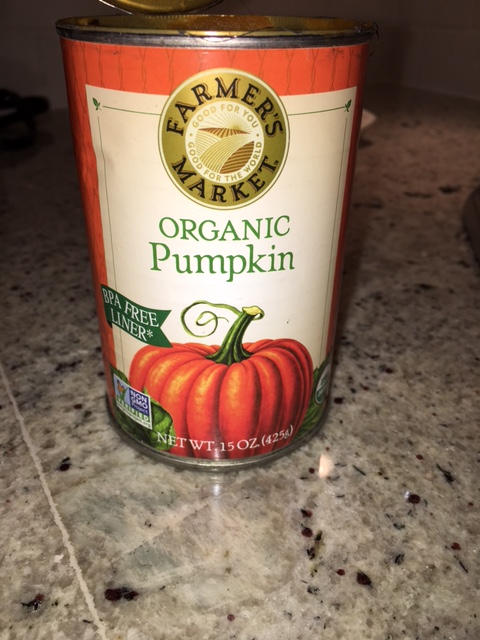
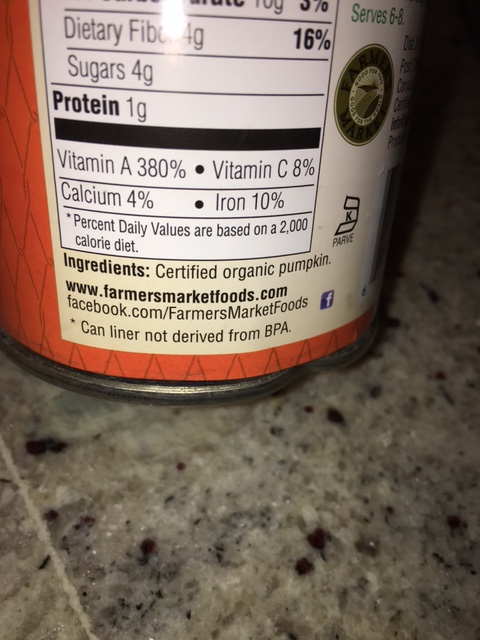
From winter squash, we have skipped over three days in the calendar – Mignonette flower, Donkey and Four O’Clock Flower. This brings us to pumpkin! My grand plan was to bake a pie pumpkin and use it in the following pie, but someone ended up decorating the pumpkin à la Halloween before I had a chance to get to it. I used canned pumpkin, which I was surprised to find out two years ago (via the kitchn) is never actually pumpkin! Section 52.2741 of the USDA’s Standards for Canned Pumpkin and Canned Squash clearly state that “Canned pumpkin and canned squash is the canned product prepared from clean, sound, properly matured, golden fleshed, firm shelled, sweet varieties of either pumpkins or squashes […]”. These standards were published to the Federal Register in 1956, so for 60 years, your canned pumpkin could have had zero pumpkin in it. We’ve grown up associating the flavor of pumpkin pie to the mixture of winter squashes used in canned pumpkin, so I’m not terribly troubled by the lack of actual pumpkin – just shocked.

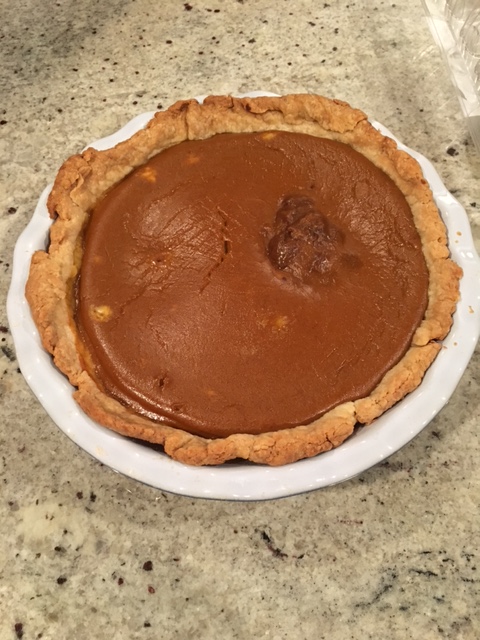
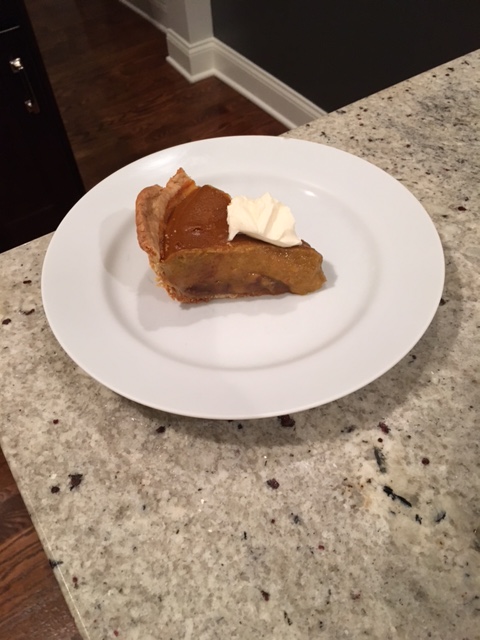
For this recipe, I went with the wonderful Rose Levy Berenbaum‘s pumpkin pecan. I have her Baking Bible which has never let me down. Rose’s recipes are profoundly exacting. For your patience, you will always be rewarded with a perfect pastry. You will also dirty most of your dishes at once. I love the back of the can Libby’s recipe and will always use it in a pinch. But, if you’re willing to dedicate a little more time and effort, the pie below is sublime.

Pumpkin Pecan Pie

Crust – I used Rose‘s method, but your favorite crust recipe will also work fine.

Pecan filling

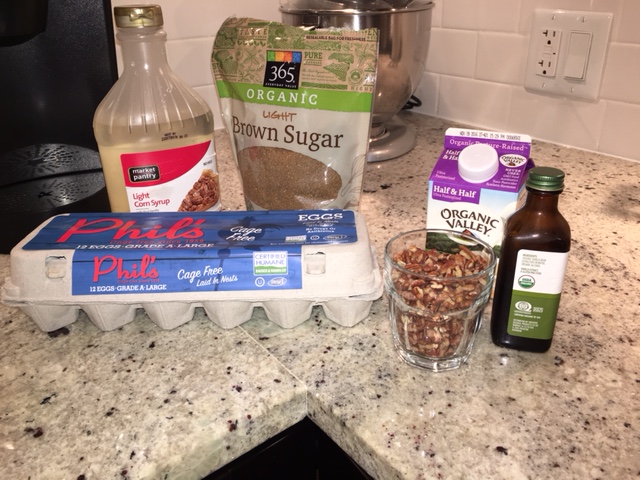
1/3 cup of corn syrup

1/2 cup dark brown sugar

4 large egg yolks

1/4 cup heavy cream

4 tbs unsalted butter

a pinch of salt

1 tsp vanilla extract

1 1/2 cups pecans, coarsely chopped

Pumpkin filling 

10 ounces pumpkin filling (1 cup plus 2 tablespoons)

1/2 cup dark brown sugar

1 1/4 tsp ground ginger

1 tsp cinnamon

1/4  tsp salt

1/2 cup heavy cream

1/3 cup milk

2 large eggs

1/2 tsp vanilla extract

After making the crust, roll it out and place in a deep dish pie pan. Place the pie pan in the fridge while you work on the pecan mixture.

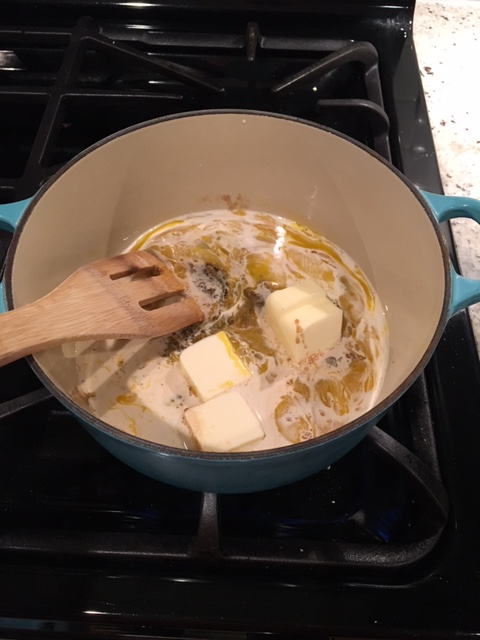
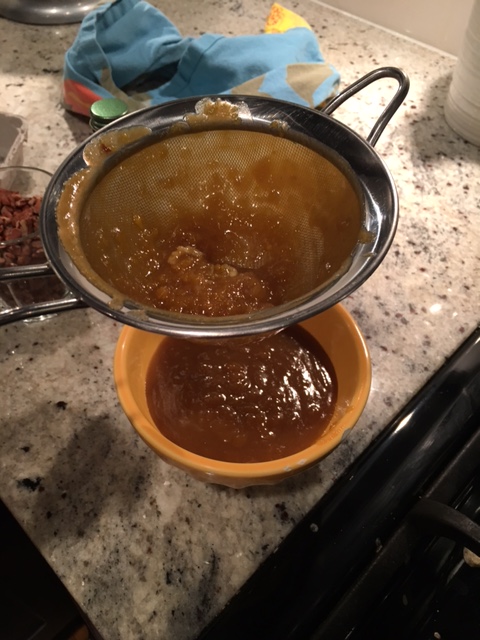
In a saucepan, add the syrup, brown sugar, egg yolks, cream, butter and salt. Cook over medium low without letting it boil for about seven minutes. Strain the mixture and then stir in the vanilla.

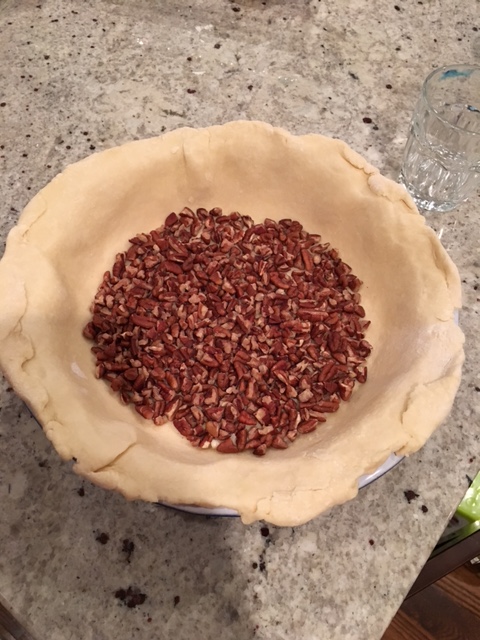
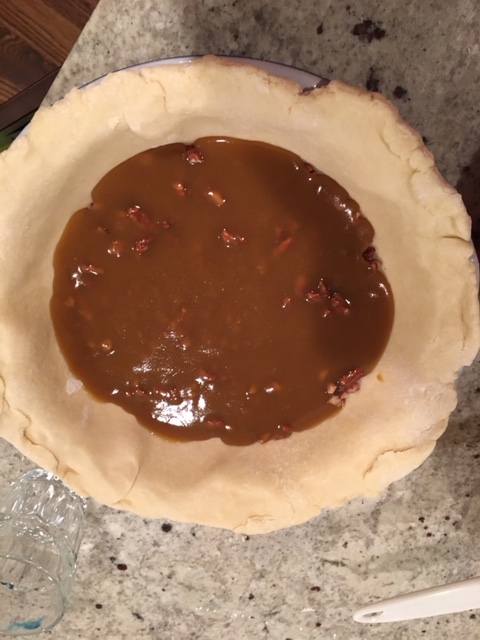
Sprinkle the pecans over the bottom of the chilled pie crust. Pour the syrup mixture over the pecans and give the pan a shake to spread out the pecans. Bake at 350 for about 20 minutes – until the mixture is puffed and starting to bubble. Remove from the oven and let cool while you work on the pumpkin filling.

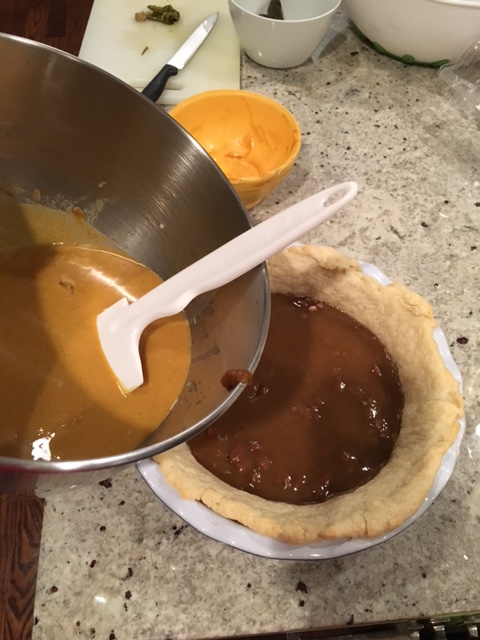
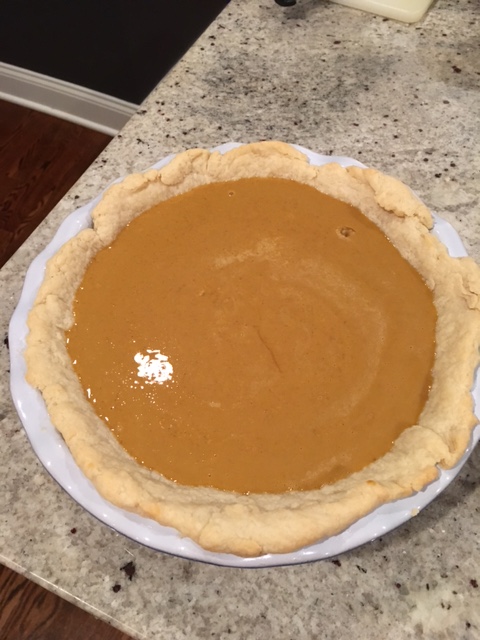
In a saucepan, add the pumpkin, brown sugar, ginger, cinnamon and salt cook at a simmer for 5 minutes. In a food processor or electric mixer (my food processor was dirty from making the crust, so I opted for the mixer with apologies to Rose) add the pumpkin mixture, eggs and vanilla. Mix until just incorporated. Pour the pumpkin over the cooled pecans. Bake at 350 for 45 to 55 minutes. Cool the pie for two hours (who could ever wait this long?) and enjoy!
img_1274img_1275img_1276img_1277img_1278img_1279img_1280img_1281img_1282img_1283img_1284img_1285img_1286img_1287img_1289


Winter Squash Salad

Mes amis,

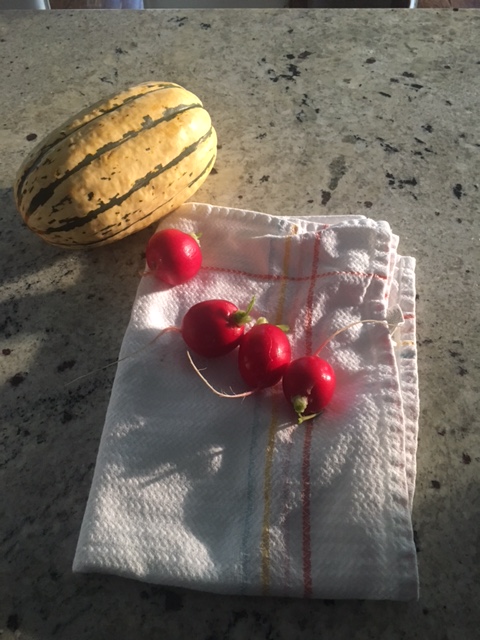
Yesterday, the citoyens of the French Republic would have celebrated strawflower day. Today, in our experiment to embrace the cult of reason and cook the French Republican Calendar, we celebrate the winter squash. Winter squash is an umbrella term for basically all the usual squashes we tend to cook. Acorn, butternut, spaghetti, delicata – all winter squashes.

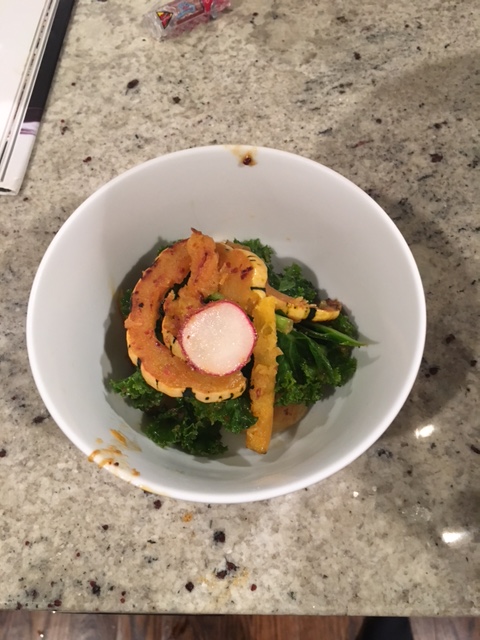
Here at Eat the Revolution, we are following along with the Jacobin inspired calendar – a rejection of the traditional Gregorian calendar. Rather than seven-day weeks and four-week months, the Jacobins did away with all traditional notions of the yearly calendar. A week (or decade) was now ten days long and the day of rest was no longer sunday, but the tenth day, Décadi. Each month was composed of three ten-day weeks. Each month celebrated a seasonal occurrence. We are currently in Grape Harvest month. Each day celebrated a flora or fauna specific to that time of year. I am attempting to cook the French Republican calendar for a year in the hopes that I will cook seasonally and also stretch myself to embrace ingredients I would have ignored otherwise. This is how we arrive at the delicata squash. The excellent vegetarian blog, 101 Cookbooks, serves not just to sate our desire to view white marble countertops, but also brings us this dish using delicata squash. This is a squash that can be eaten unpeeled – a great benefit in the winter squash realm.

Miso Harissa Delicata Squash Salad (via 101 Cookbooks)

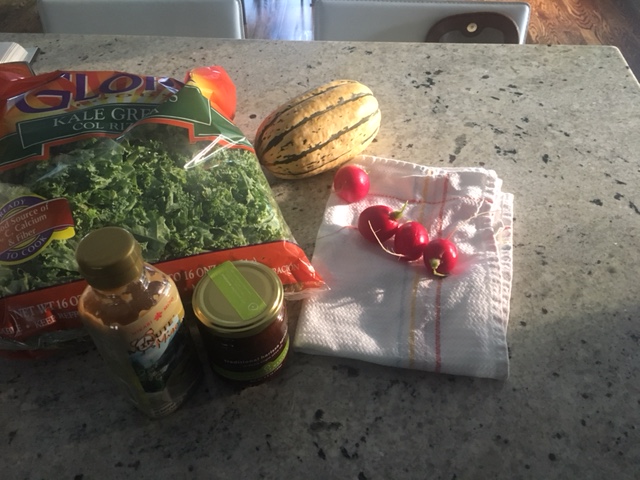
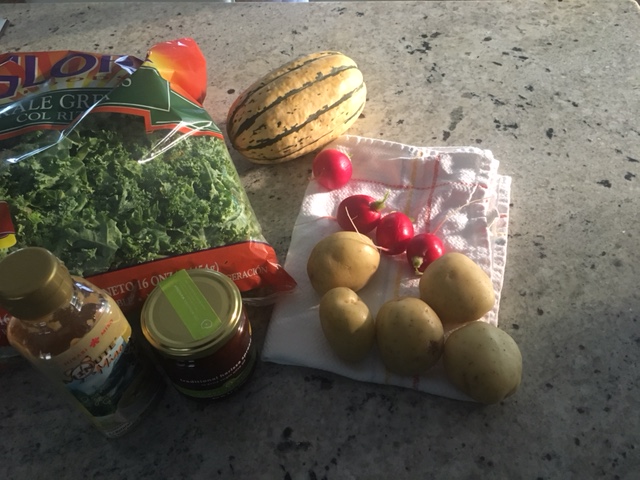
1/2 lb fingerling potatoes

3/4 lb delicata squash

1/4 cup white miso

1 tbs harissa paste

3 tbs lemon juice

2 cups slivered kale

4 radishes

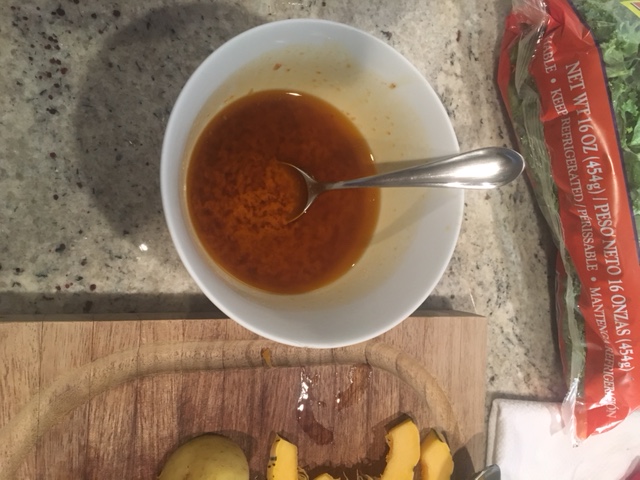
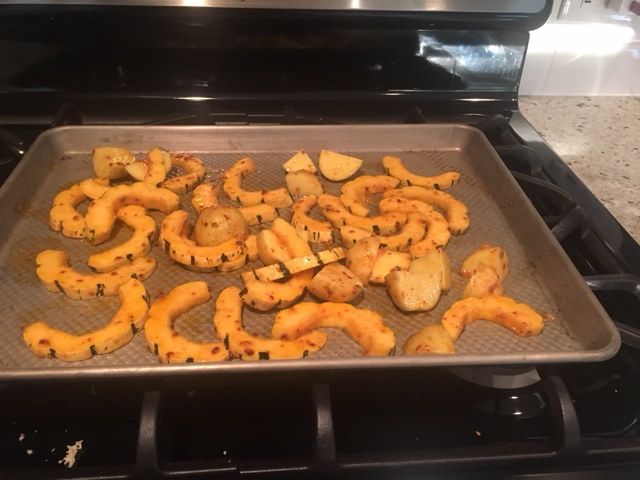
Wash and cut the potatoes into two-inch pieces. Slice the squash in half lengthwise and remove the seeds. Then, cut into half-inch slices. Whisk together 1/4 cup of olive oil, the miso and the harissa. Toss the potatoes and squash with 1/3 cup of the miso/harissa mixture. Spread the mixture on a baking sheet and bake at 400 degrees until golden brown.

With the remaining miso/harissa mixture, add the freshly squeezed lemon juice. Toss the kale in the mixture as well as the radishes. Once the baked vegetables are golden brown, toss those into the kale mixture. Enjoy!
img_1232img_1233img_1234img_1235img_1236img_1237


Potato Dauphinoise

Potato day! One of french’s great names: pomme de terre – earth apple! Today I am cooking my first truly french recipe of this endeavor. I ate this at Next in its first iteration – Paris 1906. All dishes were derived from Escoffier’s Le Guide Culinaire. Next published an e-book of recipes from its Paris menu and that is where this luscious recipe is from. In looking through the Google e-book of Le Guide, there are three “dauphinoise” recipes, none of which quite line up with the recipe below which follows a more currently traditional scalloped potato route.
Potato Dauphinoise 

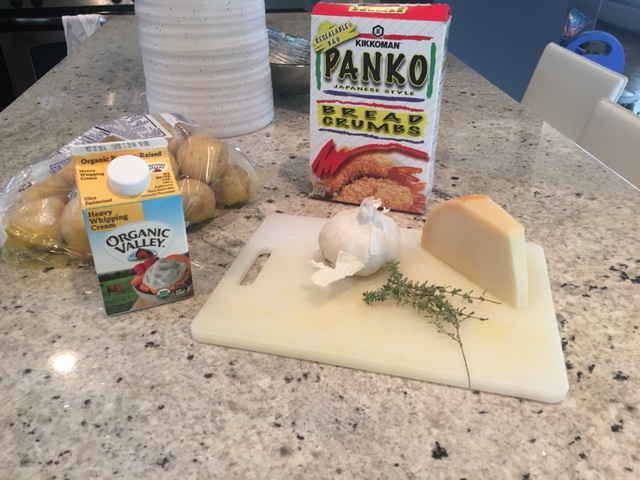
1 1/2 lbs yukon gold potatoes

600 grams heavy cream

1 garlic clove

a few handfuls of thyme sprigs

100 grams of gruyere cheese

50 grams of panko bread crumbs

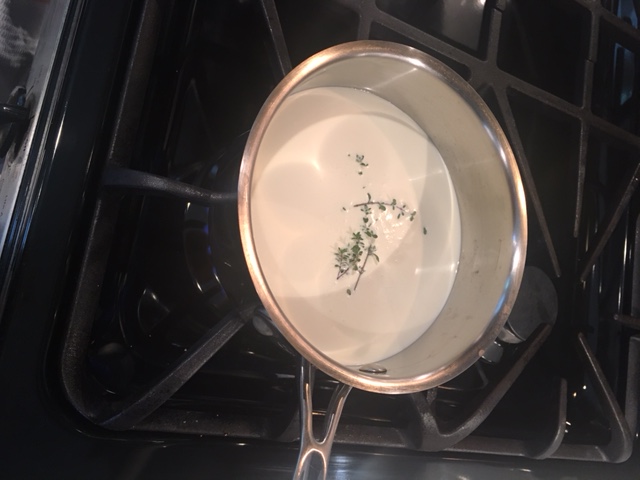
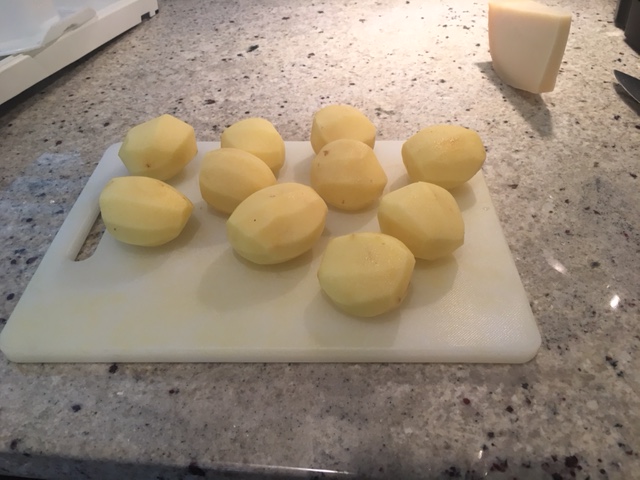
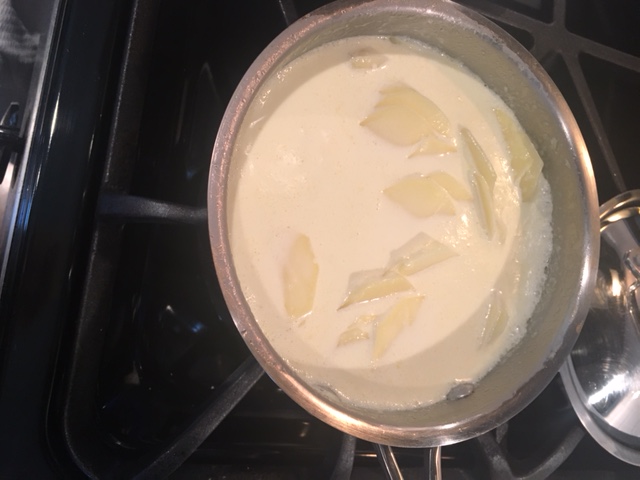
Peel the potatoes and grate most of the cheese roughly and use your finest zester to grate the rest. Heat the heavy cream, garlic and most of the thyme in a medium sauce pan until simmering. Remove from heat and let the mixture steep for 20 minutes. Pour the mixture through a strainer and put strained cream back into the saucepan.

Slice the potatoes finely with a mandolin. Reheat the cream and place the sliced potatoes in the cream. Cook at a simmer until the potatoes are tender. Once cooked, pour the contents of the sauce pan on to a sheet pan and refigerate until cool to the touch.

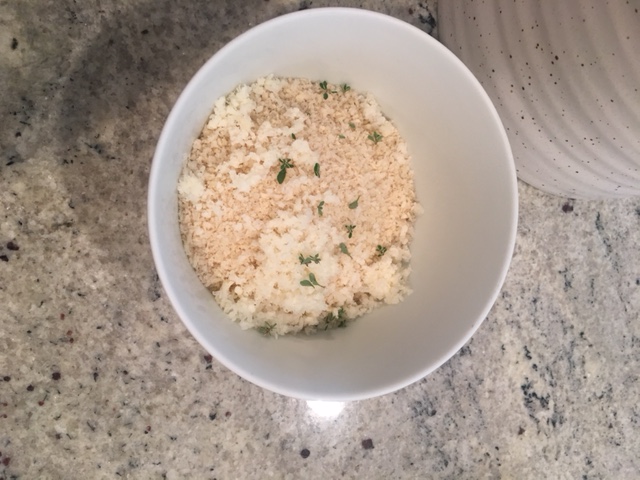
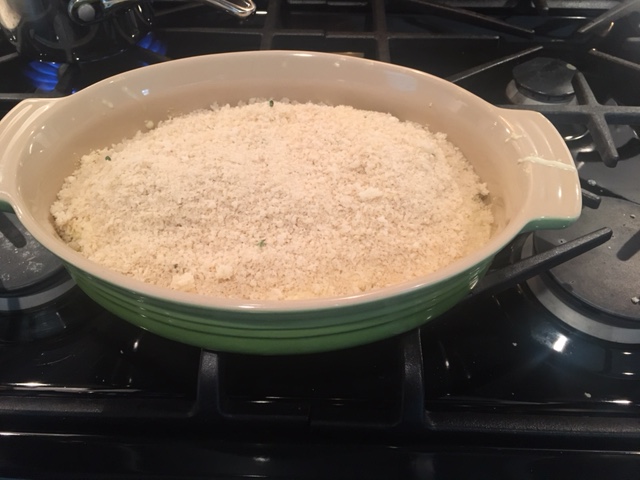
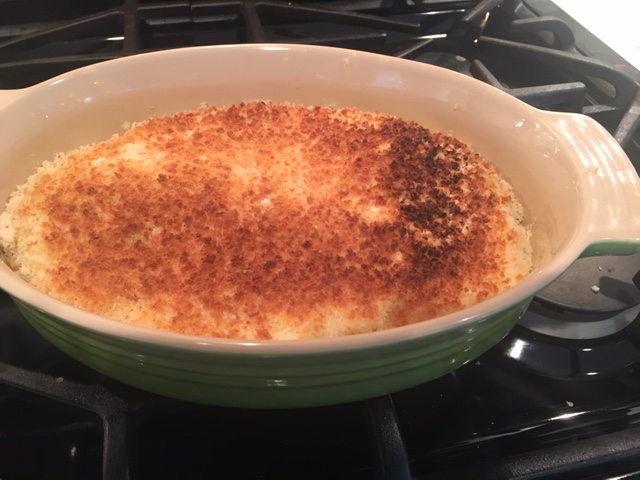
In an oval baking dish, place a layer of potato and cream first, followed by a layer of roughly grated gruyere. Repeat two more times. Mix the panko with the finely grated gruyere and spread on top of the dish. Place a few thyme leaves on top and bake in a 350 degree oven. When the cream starts bubbling, increase the heat to broil and cook until the panko turns golden brown – happens quickly! Enjoy!

img_1224img_1225-copyimg_1226-copyimg_1227-copyimg_1228img_1229img_1230